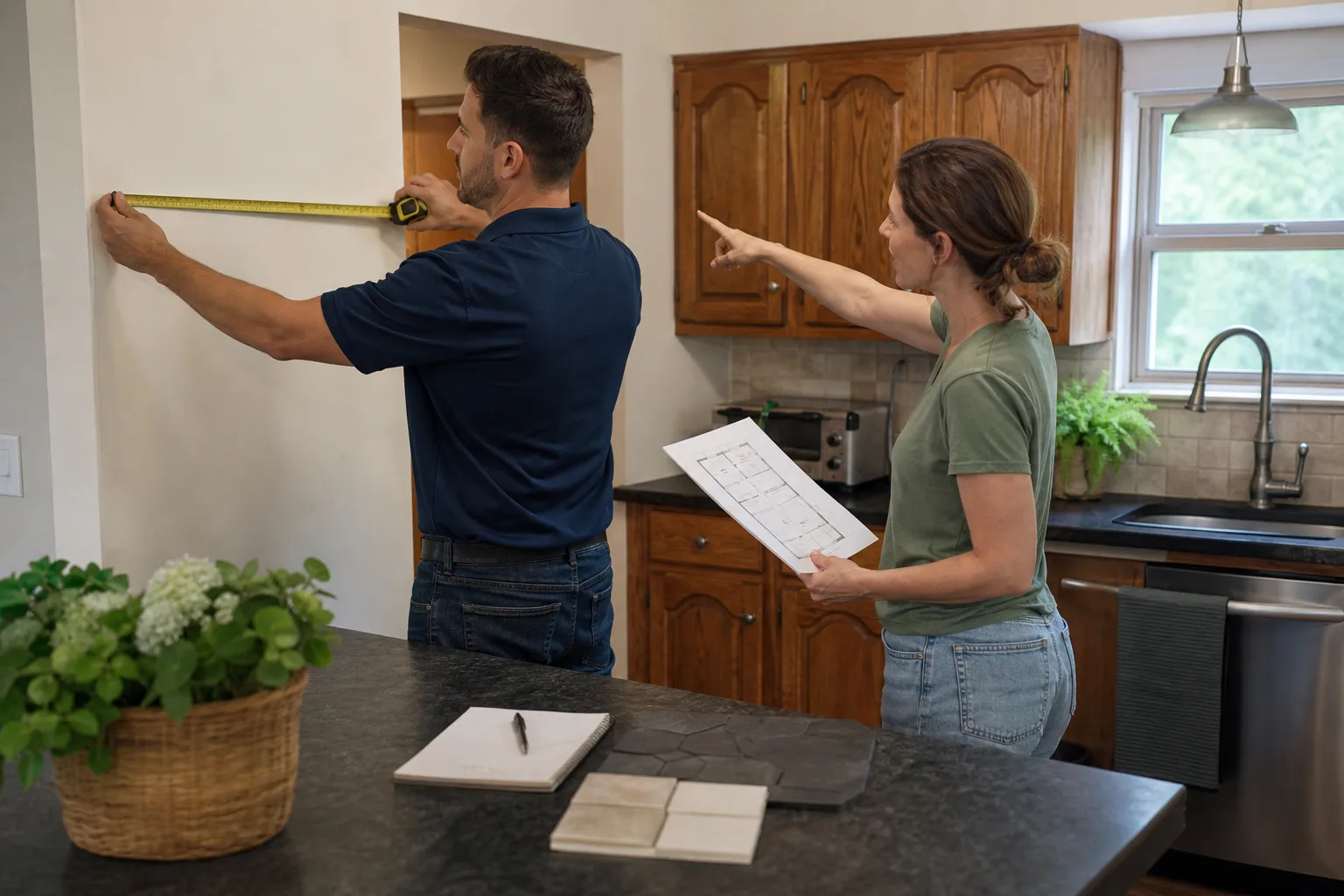
Last updated November 17, 2026








Free written scope consultation - allowances, timeline, and change-order rules on paper before a single trade is scheduled
General Contractor Maintenance Checklist for Westminster Homeowners
Westminster gets roughly 280 days of sun a year and sits inside the South Coast Air Quality Management District’s high-UV corridor. That combination changes what fails here. Caulk joints, exterior coatings, and roof membranes break down around 30% faster than the manufacturer’s rated lifespan assumes, and most of the maintenance checklists floating around online were written for cold-climate freeze-thaw cycles that Westminster never sees. This guide is calibrated to what actually goes wrong in Westminster homes: UV fatigue, marine-layer moisture cycling, clay soil movement, and seismic drift. You’ll get inspection intervals, the specific components to check, and where the line sits between a handyman task and licensed contractor work.
Quick Answer
Westminster homeowners should run a full exterior inspection twice a year (spring and fall), check caulk and stucco every 6 months, inspect roof and attic venting annually, test seismic strapping and anchor bolts every 2 years, and change HVAC filters every 60 to 90 days through Spare the Air season. Anything touching structure, gas, electrical, or roof membrane needs a licensed general contractor, not a handyman.
Styles & brands we work with
- Kitchen remodeling
- Bathroom remodeling
- Home additions & ADU
- Roofing
- Windows & doors
- Driveway & pavers
- Fence
Table of Contents
- Why Standard Maintenance Checklists Fail in Westminster
- Stucco Cracks and Westminster’s Clay-Heavy Soil
- Marine-Layer Moisture: Fascia, Vents, and Window Caulk
- Seismic Maintenance on a CalTech-Tied Schedule
- HVAC Filters and Ducts During Spare the Air Season
- The Annual Maintenance Walk: Month by Month
- What a Licensed Contractor Documents vs. What a Handyman Can Do
Why Standard Maintenance Checklists Fail in Westminster
Pull up almost any “home maintenance checklist” and you’ll find the same recycled list: winterize pipes, clear snow from the roof, check for ice dams. None of that applies to Westminster. What does apply is the opposite set of stressors, and they compound in ways a generic checklist won’t catch.
Three forces do most of the damage here:
- UV load. Westminster’s sun exposure sits in the South Coast AQMD’s high-UV band. Elastomeric caulk, exterior paint, and asphalt shingles all fail on UV exposure, not age. A 20-year shingle rated for a shaded lot may need attention in 14 years on a full-sun Westminster roof.
- Marine-layer moisture cycling. Westminster sits close enough to the coast to get the overnight marine layer most of the year. Wet nights and dry afternoons mean wood fascia, window frames, and attic vents cycle through expansion and contraction daily. That cycling opens caulk seams and drives moisture into end grain before you ever see a stain.
- Clay-heavy soil movement. Westminster’s soils expand and contract with seasonal moisture. That movement transmits into stucco skins and slab edges, which is why hairline stucco cracks appear here in patterns you won’t see on sandy-soil lots.
When we walk a Westminster property, we look for the intersection of these three: a south-facing stucco wall with a hairline crack at the slab edge, or a fascia board on the marine-layer side of the house that’s soft at the seam. That’s where a Westminster home tells you what’s actually aging.
Stucco Cracks and Westminster’s Clay-Heavy Soil
Stucco cracks in Westminster follow a predictable pattern tied to soil movement. The clay-heavy soils under much of the city swell when wet and shrink when dry, and that movement concentrates stress at the slab edge, around window and door openings, and at the corners of the house. The cracks you see there are usually cosmetic, but the ones that aren’t are the ones that let water behind the stucco skin.
Inspect stucco every 6 months. Walk the perimeter with a notepad and mark every crack. Hairline cracks under 1/16 inch wide are normal movement. Cracks wider than 1/8 inch, cracks that follow a stair-step pattern, or cracks that reappear in the same spot after patching deserve a closer look.
Here’s the inspection sequence we use:
- Walk the full perimeter, noting crack width and direction at every wall.
- Tap along the stucco with a screwdriver handle. A hollow sound means the stucco has separated from the substrate (the backing layer under the stucco) and water is getting behind it.
- Check the weep screed at the base of the wall. That’s the metal lip that lets moisture drain out. If it’s buried in soil or planting beds, moisture has nowhere to go.
- Look at the corners of every window and door. Those are the highest-stress points for soil movement, and they’re where diagonal cracks usually start.
If a crack is active, meaning it’s grown since the last inspection, that’s a structural question, not a cosmetic one. We’ve seen Westminster homes where a “cosmetic” crack was actually the stucco skin pulling away from a settling foundation corner. That’s a licensed contractor scope of work, and it’s exactly where a general contractor in Westminster needs to be involved before anyone patches anything.
Marine-Layer Moisture: Fascia, Vents, and Window Caulk
Westminster’s overnight marine layer is the maintenance problem nobody warns you about. Wood fascia boards, window frames, and attic vents cycle through wet night and dry afternoon most of the year. That cycle is more damaging than steady moisture because it opens and closes the wood grain repeatedly and works caulk seams loose from the inside.
Fascia boards are the first place to look. Run your hand along the bottom edge of the fascia under the roofline. Soft spots, flaking paint, or any spot that gives under finger pressure means moisture has gotten into the end grain. That’s the failure mode that goes unnoticed until a fascia board pulls loose from the rafter tails.
Attic venting matters more here than the generic checklists say. A properly vented attic dries out the moisture that migrates up from the living space and from the soffit vents. If your soffit vents (the perforated panels under the eaves) are blocked by insulation or painted shut, the attic stays humid longer, and that humidity feeds mold on the roof deck. Check for:
- Soffit vent screens clear of paint, cobwebs, and insulation.
- Ridge vent or gable vent unobstructed and the screen intact.
- Any dark staining or musty smell in the attic, which points to trapped moisture.
Window frame caulk is a 6-month item here. Caulk on the exterior of window frames breaks down faster in Westminster than the manufacturer’s 10-year rating suggests. Check every window and door frame, especially on the marine-layer side of the house. If the caulk has pulled away or cracked, water gets behind the frame and into the wall cavity. When we replace windows or exterior trim, we spec James Hardie products for exactly this reason: the manufacturer’s substrate resists moisture cycling better than wood fascia, and the warranty is traceable. That work falls under Bradford Remodeling Co Westminster home services when it turns into more than a caulk-and-paint job.
Seismic Maintenance on a CalTech-Tied Schedule
Westminster sits in an active seismic region, and CalTech’s Southern California shake maps show the Orange County area regularly recording small-magnitude events. You don’t need to feel a quake for it to loosen hardware. Vibration and minor movement over years can back out anchor bolts and shift a water heater off its strapping.
This is the maintenance item most homeowners skip because nothing looks wrong. Here’s the schedule we recommend:
- Every 2 years: Inspect the anchor bolts connecting the mudsill (the wood plate that sits on the foundation) to the concrete. If you can see daylight between the mudsill and the foundation, or if the nuts are loose, get a licensed contractor out. This is not a DIY tightening job.
- Every 2 years: Check cripple walls (short stud walls between the foundation and the first floor) in older Westminster homes. Look for plywood sheathing that’s pulling away or diagonal bracing that’s come loose.
- Annually: Check that the water heater is strapped on two sides, top and bottom, to the wall studs, and that the strapping isn’t loose or rusted through. Seismic strapping is a simple check but an important one.
Anchor bolts and cripple walls are framing and structure. If yours need work, that’s licensed contractor territory and often involves a permit. We handle structural repair scope like this in Westminster as part of general contracting work, and it’s the kind of thing that should never be handed to a handyman.
HVAC Filters and Ducts During Spare the Air Season
Westminster’s air quality varies with the season, and the South Coast Air Quality Management District issues Spare the Air alerts when particulate levels climb. That’s when your HVAC system is working against the most dust and particulate load, and it’s when clogged filters and leaky ducts do the most damage.
Change the filter every 60 to 90 days during Spare the Air months, and every 90 days the rest of the year. A clogged filter cuts airflow, forces the blower to work harder, and pushes dust back into the return. If you’re not sure of the size, pull the old filter and match it exactly.
Duct inspection should happen annually. Here’s what to look for:
- Visible gaps or disconnected joints at the plenum (the box where the ductwork meets the air handler).
- Duct tape that’s dried out and peeling. Old cloth-backed tape fails; foil tape with mastic sealant is what holds.
- Dust streaks around supply registers, which point to leaking ducts pulling in attic air.
If you’re planning a remodel and the ducts run through a wall or ceiling you’re opening up, that’s the time to inspect and seal them. We fold duct inspection into kitchen and bath remodels whenever we have wall access, and it’s the reason we schedule that work with the rest of the project rather than as an afterthought. The same goes for any kitchen remodeling in Westminster where the range hood and duct run need to be reworked to current code.
The Annual Maintenance Walk: Month by Month
Here’s the calendar we hand Westminster homeowners. It’s built around the two real maintenance windows in this climate: spring, before the dry season, and fall, before the marine layer sets in.
- March: Full exterior walk. Stucco cracks, caulk joints, fascia boards, roof from the ground with binoculars.
- April: HVAC filter change, duct inspection, gutters cleared before the dry season.
- May: Attic inspection while it’s still cool enough to be up there. Check venting, look for moisture staining.
- June: Seismic check: anchor bolts, cripple walls, water heater strapping, and the gas shutoff valve.
- September: Pre-marine-layer caulk and paint touch-up on window frames and door frames.
- October: Roof membrane and flashing inspection before the wet nights start.
- November: HVAC filter change, furnace check before heating season.
The point isn’t to check every item on a fixed day. It’s to check each system when the climate stress on it is about to peak. A south-facing stucco wall in Westminster takes its worst UV load in July and August, which is why we check it in the spring when there’s time to correct it before the sun does its work.
What a Licensed Contractor Documents vs. What a Handyman Can Do
This distinction matters more than homeowners realize, and it’s where most maintenance plans break down. A handyman can legally perform cosmetic repair, caulking, painting, and light carpentry. A licensed general contractor is required for anything touching structure, framing, electrical, plumbing, gas lines, and roofing, and for work that requires a permit.
Here’s what a proper maintenance walk should document:
- Every crack, soft spot, and joint, photographed and dated, with measurements.
- Roof membrane and flashing condition, with the manufacturer’s warranty terms on file.
- Attic moisture readings and venting performance notes.
- Permit history for any prior work, which matters when you sell.
- A written scope for anything that needs correction, priced out before work begins.
A handyman’s scope is the repair. A licensed contractor’s scope is the diagnosis, the documentation, the permit, and the warranty on the work. When a handyman patches a stucco crack that turns out to be a structural symptom, the homeowner has no recourse. When we handle it, the scope is written before the tool comes out and the work carries a written guarantee.
Bradford Remodeling operates under The Garrison Standard, which puts the price in writing before any work starts and backs every completed project with the 365-Day Done Right Promise. If the repair or remodel fails within that period, we return and correct it at no charge. That written commitment is the real difference between a contractor’s maintenance walk and a handyman’s repair list.
Common Mistakes to Avoid
- Patching stucco cracks without diagnosing them. Hairline cracks are normal movement. The cracks that reappear after patching are the ones that mean the substrate has separated, and covering them just delays the real repair.
- Letting soil and mulch build up over the weep screed. Westminster’s planting beds often cover the metal drainage lip at the base of the stucco. Once it’s buried, moisture has nowhere to drain and the stucco skin fails from the bottom.
- Skipping the attic for years at a time. The attic is where the marine layer’s moisture shows up first. A five-minute look once a year catches staining and vent clogs before they become mold.
- Treating the HVAC filter as a once-a-year item. In Westminster’s dust and Spare the Air load, a filter that lasts a year in a colder climate is overdue at 90 days here.
- Never checking the water heater strapping. Strapping looks fine from the doorway. Loose strapping, rusted bolts, and a heater that’s drifted off its pad are things you find by getting down and looking.
- Hiring a handyman for anchor bolts or cripple walls. These are structural. No amount of caulk fixes a mudsill that’s pulled off the foundation, and the liability falls on the homeowner if it fails.
- Letting caulk fail on the marine-layer side of the house. The north and west walls take the moisture cycling. Caulk that looks fine on the sunny side can be completely failed on the wet side.
See the difference
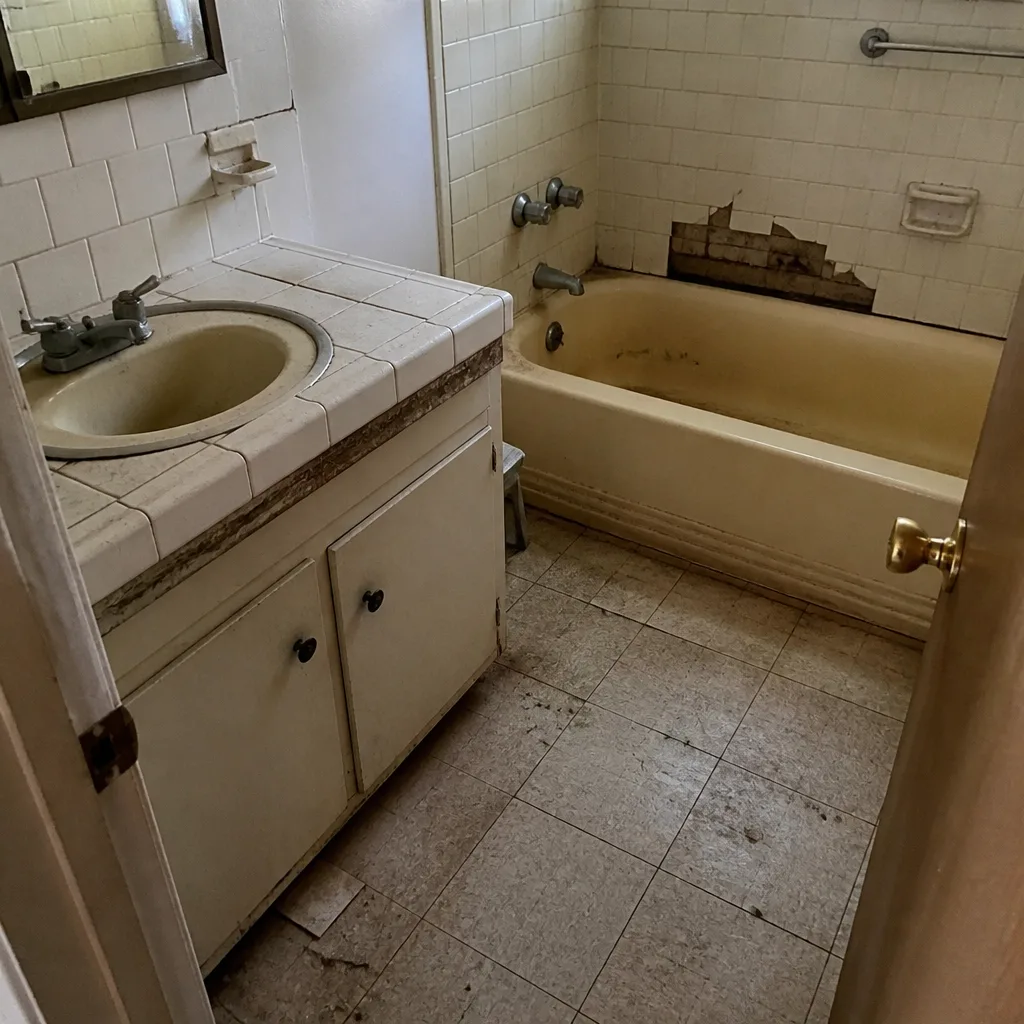 Before
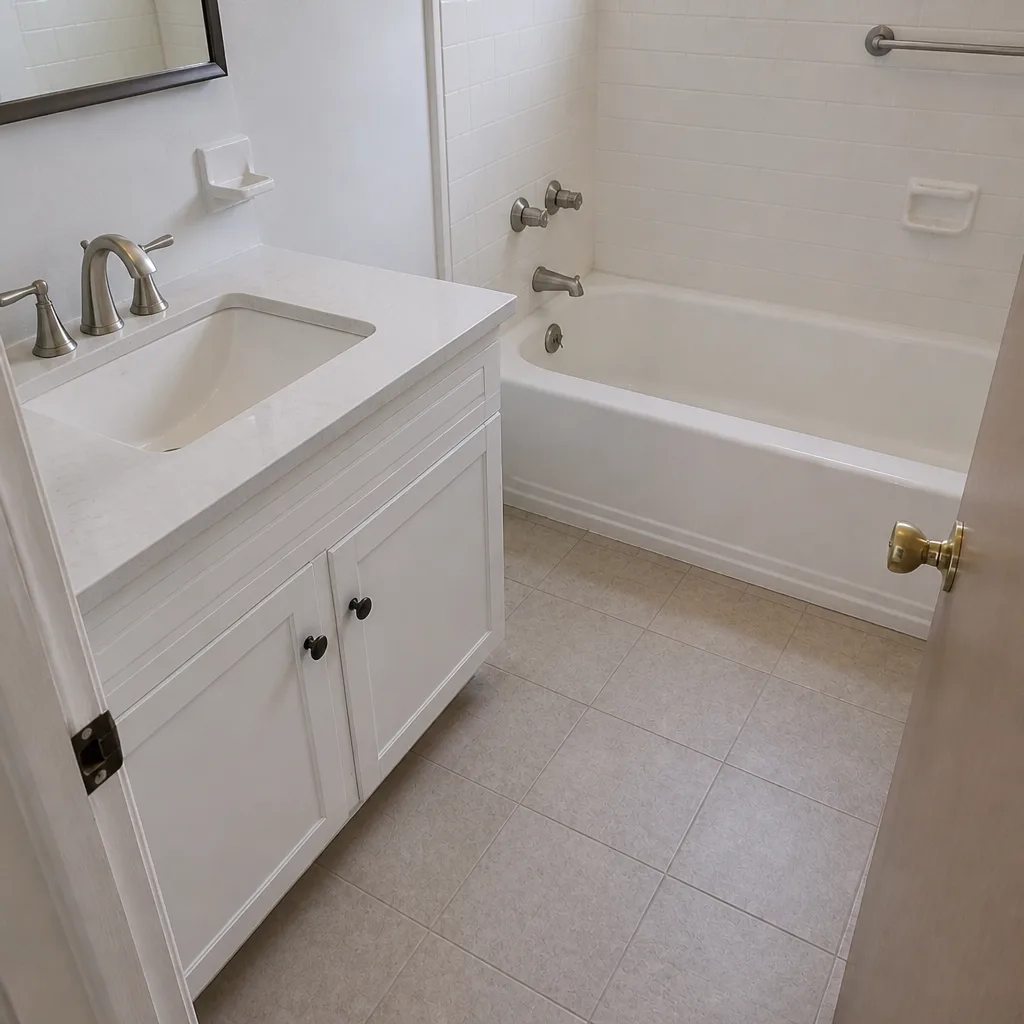 After
 Before
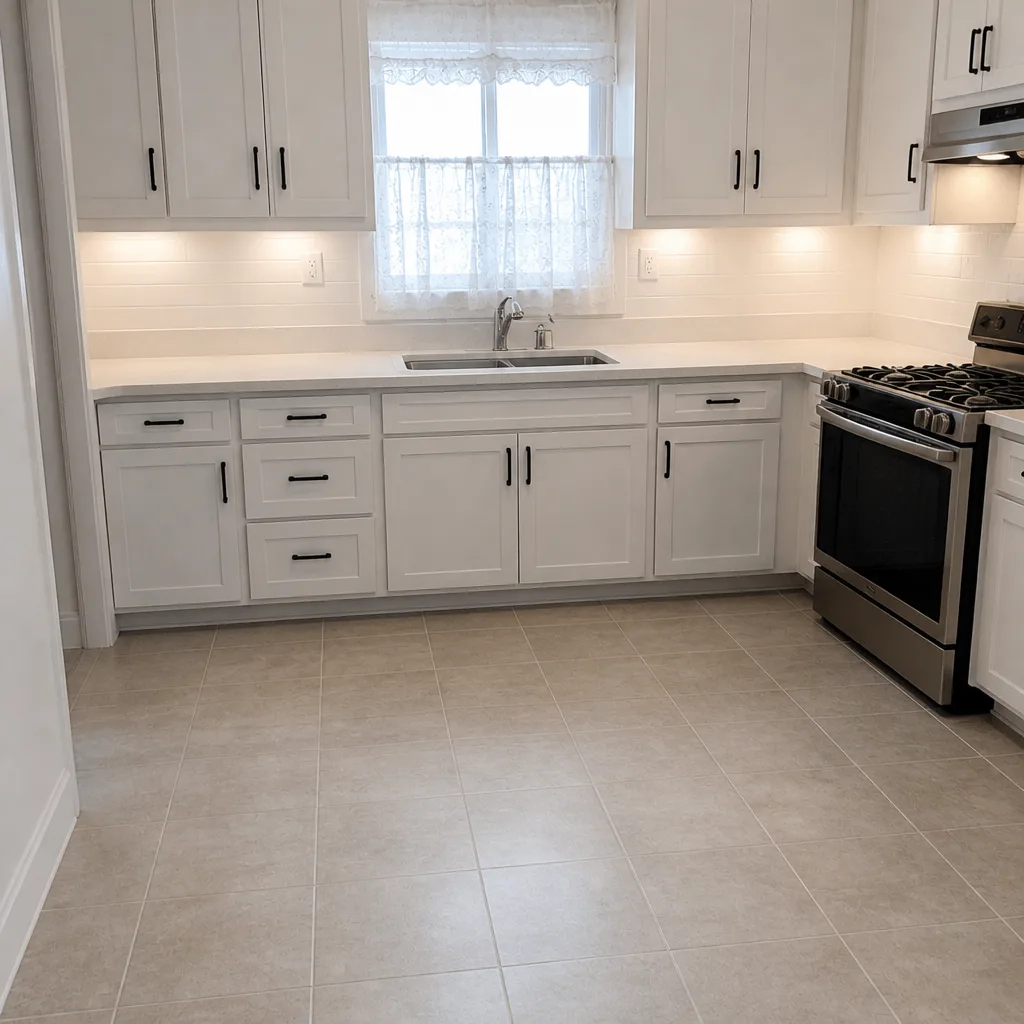 After
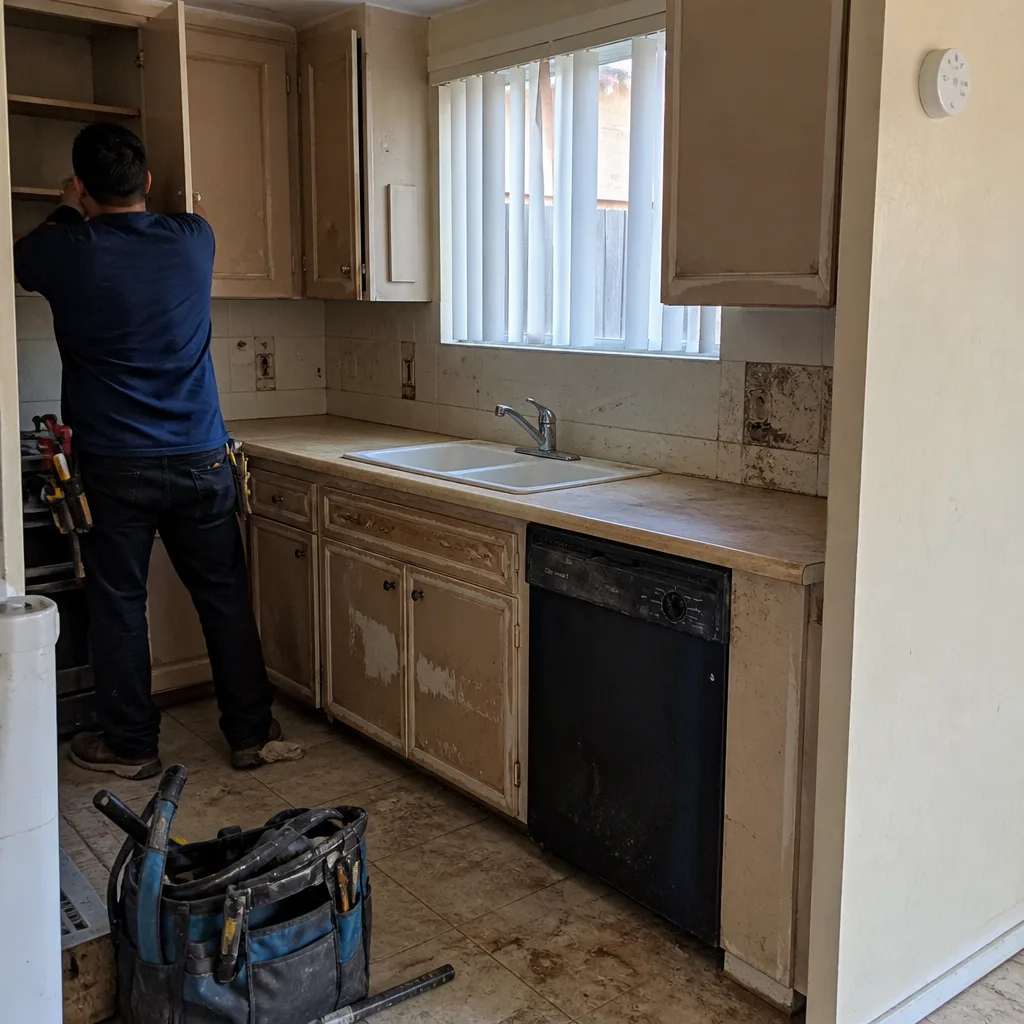 Before
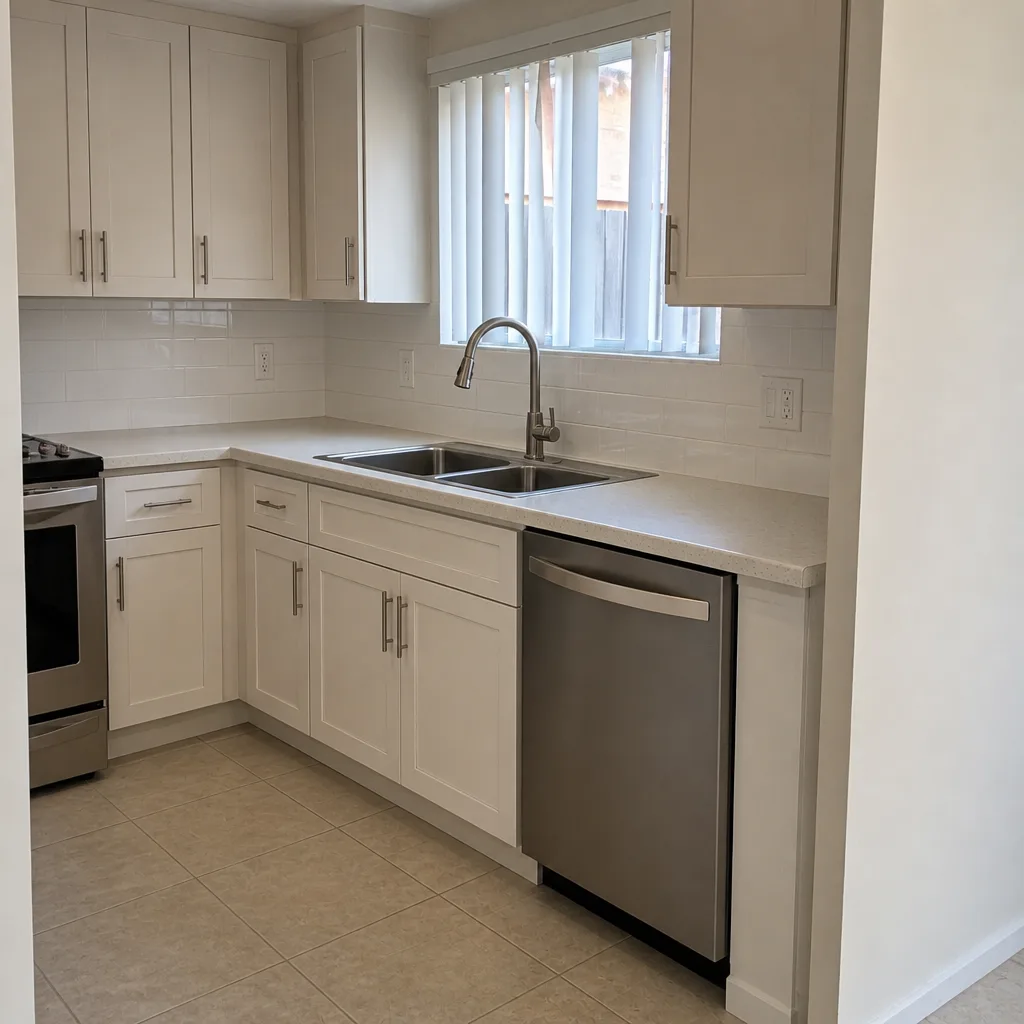 After
When to Call a Professional
Call a licensed contractor when a stucco crack is wider than 1/8 inch, when you feel soft wood on fascia or siding, when an anchor bolt or cripple wall looks compromised, when the roof membrane is failing or flashing is loose, and when any repair requires a permit. Call a contractor rather than a handyman when the repair is structural, when the work will be inspected, or when you want a written guarantee on the work.
Bradford Remodeling Co Westminster offers free estimates in Westminster. We walk the property, document what we find, and give you a written price before any work starts. Background-checked, uniformed technicians handle every job, and someone answers the phone around the clock. Call (833) 954-5086 for a free estimate.
Frequently Asked Questions

Every 6 months, in spring and fall. Westminster’s clay-heavy soils expand and contract with seasonal moisture, and that movement shows up as stucco cracks faster here than in most Southern California cities. Walk the full perimeter and note crack widths. Anything over 1/8 inch, or anything that reappears in the same spot after patching, needs a contractor’s look. Call (833) 954-5086 for a free estimate.
Because UV exposure here is around 30% harder on caulk than the manufacturer’s rated lifespan assumes. Westminster gets roughly 280 days of sun a year and sits in the South Coast AQMD’s high-UV corridor. Caulk that’s rated for 10 years may need replacement at 6 to 7 years on a south- or west-facing wall. Check every window and door frame twice a year, especially on the marine-layer side of the house.
A handyman can do cosmetic repair, caulking, painting, and light carpentry. A licensed general contractor is required for structure, framing, electrical, plumbing, gas, roofing, and any work that needs a permit. The liability difference matters: a handyman’s patch carries no warranty, while a licensed contractor’s work is documented, permitted, and guaranteed in writing. Call (833) 954-5086 to schedule a free estimate.
Every 2 years for anchor bolts and cripple walls, and annually for water heater strapping. Westminster sits in an active seismic region, and CalTech’s Southern California shake maps show regular small-magnitude activity. Check for daylight between the mudsill and the foundation, loose nuts, and cripple wall sheathing that’s pulling away. Any of those need a licensed contractor. Call (833) 954-5086 for a free estimate.
Every 60 to 90 days during Spare the Air season, and every 90 days the rest of the year. Westminster’s particulate load climbs during Spare the Air alerts, and a clogged filter forces the blower to work harder and pushes dust back into the return. Check duct joints and the plenum at the same time. Call (833) 954-5086 if you need a duct inspection.
Yes, when the scope requires it. Structural repairs, roof replacement, window replacement, electrical, plumbing, and any work that changes a system all need permits in Westminster. We pull the permits and pass the inspections as part of the job, and the permit history goes in your file. That matters when you sell. Call (833) 954-5086 for a free estimate.
The Bottom Line
Westminster maintenance is about three forces working together: UV load that shortens the life of every exterior coating, marine-layer moisture cycling that opens seams and softens wood, and clay soil movement that shows up in stucco. Run an exterior walk twice a year, check HVAC filters every 60 to 90 days, inspect seismic strapping every 2 years, and get a licensed contractor involved the moment a crack, soft spot, or loose bolt shows up. When a repair turns into a project, we handle it with a written price before work starts and the 365-Day Done Right Promise behind every completed job. Bathroom remodeling in Westminster is the next guide in this series.
Written by the team at Bradford Remodeling Co Westminster.