Last updated November 17, 2026








Free written scope consultation - allowances, timeline, and change-order rules on paper before a single trade is scheduled
General Contractor Troubleshooting: Common Problems and How to Fix Them
If your contractor says “that’s just how it settles,” that phrase has cost Westminster homeowners tens of thousands of dollars in deferred liability. It is almost never true, and it is never acceptable as a final answer. Most remodeling problems do not come from bad materials. They come from bad sequencing, skipped inspections, and scope gaps that nobody wrote down. In our experience across Orange County, the homeowner who can name the defect clearly is the one who gets it fixed. This guide gives you the diagnostic language to pinpoint where a project went wrong, verify what the city actually signed off on, and know exactly what recourse you have.
Quick Answer
Most general contractor problems fall into three buckets: workmanship defects, materials defects, and scope gaps. Workmanship and materials defects have different legal remedies, and a scope gap means the work was never promised in writing to begin with. Fix the problem fastest by documenting it with dated photos, pulling the permit inspection record from the city, and sending a written repair request with a deadline. If the original contractor will not respond, an independent inspection establishes the facts before you file with the CSLB or small claims court.
Styles & brands we work with
- Kitchen remodeling
- Bathroom remodeling
- Home additions & ADU
- Roofing
- Windows & doors
- Driveway & pavers
- Fence
Table of Contents
- How Do You Tell a Workmanship Defect From a Materials Defect?
- How Do You Pull Permit Inspection Records in Westminster?
- What Is a Punch List, and How Do You Use It to Get Work Finished?
- How Do You Document a Problem So It Holds Up in a Complaint?
- Is It Fixable by the Original Contractor, or Do You Need an Inspection First?
- Why Sequencing Problems Cause More Damage Than Bad Materials
- What to Do When You Hear “It’ll Settle”
- What Does a Proper Job Close Look Like?
How Do You Tell a Workmanship Defect From a Materials Defect?
The difference matters because your remedy points in a different direction. A workmanship defect is an installation error: tile set without proper substrate prep, a door hung out of plumb, a cabinet run installed without shimming. The installer is responsible. A materials defect is a failure inside the product itself: a warped cabinet door, a delaminating window frame, a fixture that leaks at a factory joint. The manufacturer’s warranty is responsible, and the installer’s job is to pursue it on your behalf.
Here is how to sort the two:
- Pattern tells you the story. One failed tile in the middle of a floor is often a materials defect. A row of failed tiles along a wall, or hollow-sounding tile across a whole field, is a substrate or installation problem.
- Symmetry is a workmanship signal. If the same joint fails at the same point on every cabinet or every window, the installation method is the likely cause.
- Check the paperwork trail. Name-brand products carry manufacturer specs and warranties: KraftMaid and Wellborn cabinetry, Therma-Tru doors, GAF roofing, James Hardie siding. When the product is documented, the warranty path exists. When it’s an unbranded item from an unknown source, you have no manufacturer recourse, and that itself is a red flag.
- Read the failure under the surface. Water damage behind a shower wall usually traces to missing waterproofing, not to the tile. That is a workmanship call.
In our experience, most “materials defects” homeowners report turn out to be installation errors that stressed the product. A window that leaks at the sill because it was set without proper flashing is not a window warranty claim, it’s a flashing call. Getting that distinction right early saves months of back-and-forth with a manufacturer who will correctly deny the claim.
How Do You Pull Permit Inspection Records in Westminster?
In Westminster, as in most California cities, every permitted project generates an inspection record. Rough-in work (framing, electrical, plumbing, and mechanical before walls close) must be inspected and signed off before the next phase. If you want to know whether your contractor actually did the work to code, pull the record. This is the single most useful verification step a homeowner has.
- Find your permit number. It should be posted on the job site during construction or included in your contract documents. If you never saw one, that is your first problem.
- Contact the City of Westminster Building Division. Ask for the permit history and inspection log for your address. Many cities now offer an online portal; if yours doesn’t surface the record, a phone call to the building department gets it.
- Read the inspection results line by line. You want to see “approved” or “final” on each required inspection. A gap in the log, or a “correction required” that was never followed up, tells you exactly which phase was cut short.
- Confirm the final inspection. A project can pass rough-in and still never receive a final. Without a final sign-off, the work is technically incomplete in the eyes of the city, and that can complicate a future sale or refinance.
If the inspection log shows a rough-in that was never signed off, you have documented evidence of a code problem. That record is worth more than any verbal promise from a contractor. We’ve seen homeowners in Westminster negotiate full corrections off a single inspection-log gap. The city record does not argue. It just states what happened.
What Is a Punch List, and How Do You Use It to Get Work Finished?
A punch list is a written, itemized list of the work still outstanding at the end of a project, agreed to by both parties before final payment. In trade terms it is the closeout document. Used properly, it is your leverage. Used loosely, it becomes a list of complaints that never gets resolved.
Here is how to build one that compels completion:
- Walk the job with the contractor in person. Bring the contract and the approved plans. Mark each deficiency in place, with tape or a sticker if needed.
- Write each item as a specific, verifiable line. Not “kitchen looks unfinished,” but “cabinet door at unit 4 hinges low, gap of 3/8 inch at top; door catches on frame.” Specificity is what makes an item enforceable.
- Photograph each item with a date stamp. One photo per line item, wide shot and close shot.
- Set a written deadline for each item. A reasonable cure period, stated in writing, turns a complaint into a documented request.
- Withhold final payment until the punch list is cleared. This is the normal, honest reason final payment exists as a separate line. A contractor who objects is telling you something.
- Get a signed, dated acknowledgment from both sides. Two signatures, one document.
A formal punch list converts a vague dispute into a measurable one. If the work is not done by the deadline, the list is the exhibit in a CSLB complaint or small claims filing. In our experience, most contractors move quickly once they see a specific, signed punch list with a cure deadline. The document itself is the pressure, not a phone call.
How Do You Document a Problem So It Holds Up in a Complaint?
Most homeowner disputes fail not because the problem was imaginary, but because it was never documented in a form anyone can act on. Memory and phone calls don’t survive a filing. Photos, dates, and a paper trail do. If you think you may end up in front of the Contractors State License Board (CSLB) or small claims court, start documenting today. Not later.
What to keep:
- A dated photo log. Wide shot and close shot of each problem. Note the location, what you see, and how long it has looked that way.
- Every written communication. Emails, texts, and the paper contract. Send problems in writing by email or certified mail, not just by phone.
- Your written repair requests and the contractor’s responses. Include dates sent and any deadline you set.
- Invoices and payment records. Which items were billed and paid, and which were open.
- The permit inspection record. Pull it once and keep a copy. It is objective evidence of code status.
- Any independent inspection report. If you bring in a third-party inspector, keep the report and the inspector’s credentials.
- Dates and names of anyone present. Who said what, on what date, in whose hearing.
Keep it quiet and factual. A written log with dates and photos is worth more than ten emotional voicemails. Build it as though a stranger will read it cold, because in a CSLB review or small claims case, that’s exactly what happens.
Is It Fixable by the Original Contractor, or Do You Need an Inspection First?
Some problems are best returned to the original contractor. Others should be inspected by an independent third party before you touch them. Getting this call wrong is one of the most common ways homeowners make a bad situation worse.
Return to the original contractor when:
- The problem is cosmetic and clearly a workmanship item: paint finish, caulk gaps, minor trim misses.
- The contractor has been responsive, is still on the job, and will fix it under their written guarantee.
- The work has not yet been closed out and final payment has not been made.
Get an independent inspection first when:
- Structural or life-safety items are involved: framing, electrical, plumbing, gas, roof attachments.
- The contractor has gone silent, disputed the problem, or blamed the product.
- You need a written, objective opinion for a filing. An inspection gives you that.
- The work was already closed out and final payment was made.
At Bradford Remodeling, every completed project carries the 365-Day Done Right Promise: if the work fails within that full year, we return and correct it at no charge. That’s the point of buying from a contractor who puts the guarantee in writing. When it exists in writing, the remedy path is short. When it doesn’t, the inspection is usually the only honest next step.
Why Sequencing Problems Cause More Damage Than Bad Materials
Bad materials draw attention because they show up as a named product failure. Sequencing errors are quieter and cost more. Putting cabinets in before the floor is level, hanging doors before the wall is finished, closing walls before rough-in inspection, setting tile before the substrate has cured: each of these is a schedule shortcut that shows up six months later as a failure. In Orange County’s climate, with summer heat and dry interior conditions, substrates that get rushed show their failures faster than in cooler regions.
The tell is timing. Failures that appear in the first warm weeks after installation, or that show up at every joint in a uniform pattern, are usually sequencing problems. The fix is rarely one item. It’s often a behind-the-wall correction that means pulling finishes back out, which is exactly why the scope document matters: whether the sequencing step was written down is the difference between a defect and an argument.
What to Do When You Hear “It’ll Settle”
“It’ll settle” is not a diagnosis. It’s a deflection. Some materials genuinely do move slightly during initial acclimation, but no code or manufacturer warranty accepts an ongoing, worsening failure as “settling.” If your contractor says it, ask three questions in writing:
- What specifically is moving, and how much is it within tolerance? Get a number and a manufacturer tolerance if applicable. “Within spec” without a spec is a dodge.
- What is the fix if it doesn’t settle by (date)? Put a calendar date. If it doesn’t resolve by then, correction is required.
- Who pays for the fix? If it doesn’t settle, it’s a defect, and the remedy should be in writing.
If the answers don’t come, escalate. Schedule a documented walk-through, put the request in writing with a deadline, and pull the permit inspection log. We’ve seen a single written cure request unlock a repair that six months of phone calls never did. Words matter, and the written word matters most.
What Does a Proper Job Close Look Like?
A proper close is a document, not a handshake. At close, the homeowner should hold, in hand: a signed written guarantee (our 365-Day Done Right Promise covers every completed project for a full year, and we return and correct failures at no charge), a finalized punch list with all items cleared, the permit final inspection record, and a documented materials list showing the actual brands installed. If the project specified KraftMaid or Wellborn cabinetry, Cambria or Caesarstone surfaces, Kohler or Moen fixtures, or a Therma-Tru door, the closeout paperwork should show those products by name, with their manufacturer specs and warranties.
That last item matters most for warranty recourse. If you ever need to file a materials claim, you need the brand and model on paper. Documented brands exist precisely so the warranty path is traceable. That’s part of The Garrison Standard: specifications on paper before work starts, and the guarantee in the homeowner’s hand at the end. If a contractor cannot produce that paperwork at close, the project is not actually squared away. It just looks that way until the first problem.
Common Mistakes to Avoid
- Accepting “it’ll settle” without a written cure date. It’s a deflection, not a diagnosis, and every month you wait weakens your position.
- Never pulling the permit inspection record. The city’s own log is the fastest way to verify whether rough-in was actually signed off. In Westminster, this step alone resolves many disputes.
- Making final payment before a signed punch list is cleared. Final payment is your leverage. Once it’s gone, it’s gone.
- Documenting only in phone calls. A phone call is invisible in a CSLB or small claims file. Put it in writing with a date.
- Assuming “materials defect” when it’s really workmanship. Misclassifying the defect sends you to the wrong remedy and wastes weeks of manufacturer back-and-forth.
- Letting an unresponsive contractor back on the site to “fix” major defects without an inspection. A second attempt from the same crew without a documented diagnosis is usually a third attempt waiting to happen.
- Buying a project with no written price. A contractor who won’t put the price in writing before work starts has already told you how the dispute will go.
See the difference
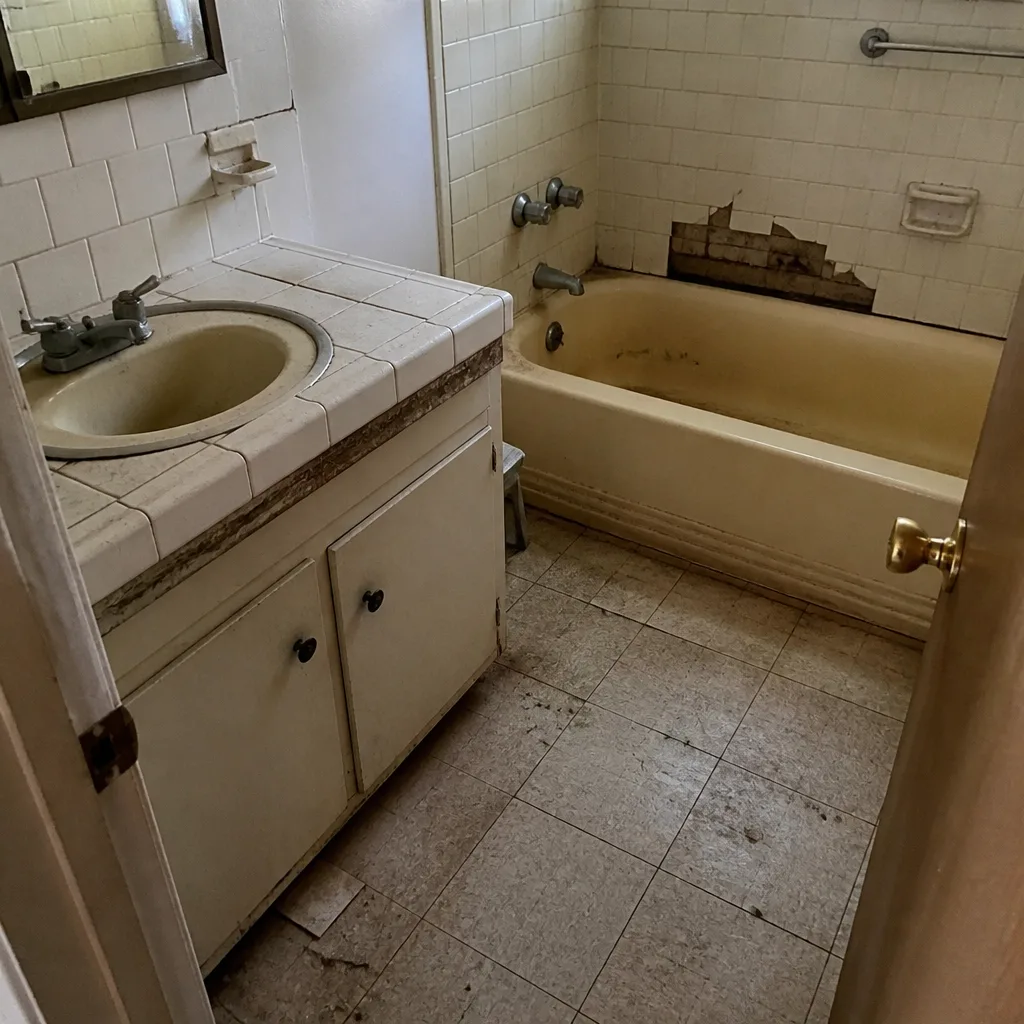 Before
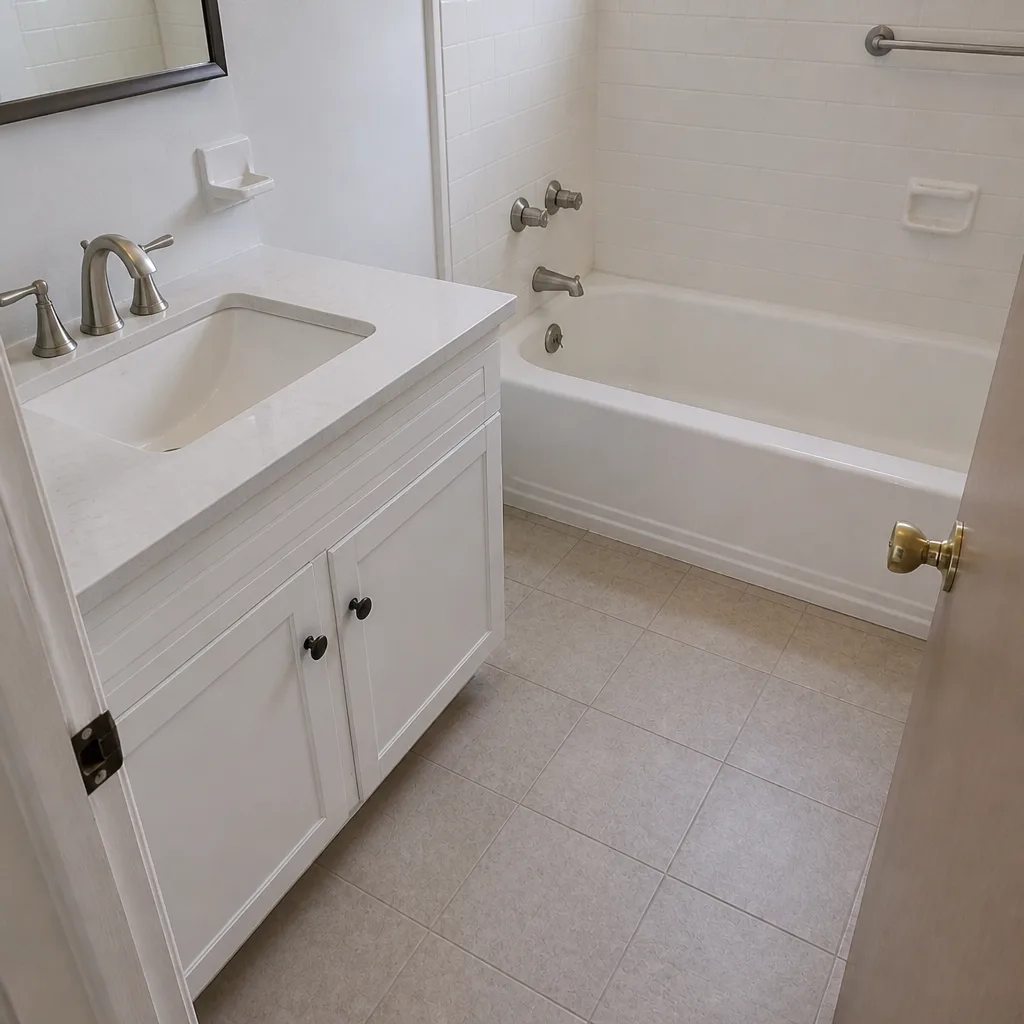 After
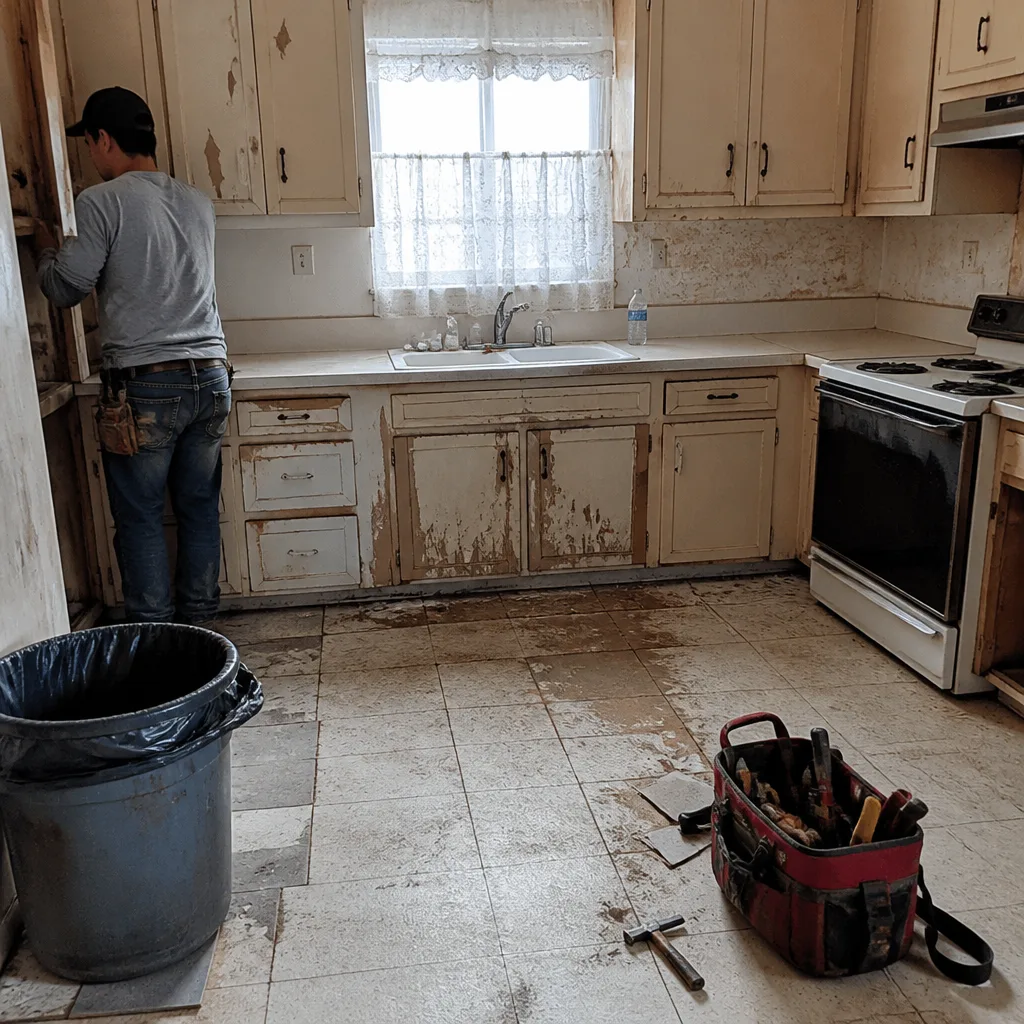 Before
 After
 Before
 After
When to Call a Professional
Call a professional when the problem touches structure, water, electrical, gas, or the building envelope. Sill or window water intrusion that reappears after a repair, a roof that leaks at a GAF or Therma-Tru transition, framing that was modified without a permit, or a rough-in that never received an inspection: each of these needs a trained eye and a written diagnosis, not a weekend fix. Call a professional, too, if you don’t have a written contract, written price, or written guarantee, because without those documents your leverage is nearly zero. Bradford Remodeling Co Westminster offers free estimates in Westminster – call (833) 954-5086 to schedule a walk-through. We’ll bring the written scope and the fixed price before any tool comes out. Bradford Remodeling Co Westminster home
Frequently Asked Questions

If the defect is worsening, appearing at every joint in a pattern, or showing up within the first warm weeks after installation, it’s a defect, not settling. Ask in writing for the manufacturer’s tolerance, a cure date, and who pays if it doesn’t resolve. Call (833) 954-5086 for a free written estimate on the correction – no numbers that move at the door.
Yes. Contact the City of Westminster Building Division with your property address and permit number and request the inspection log. You want to see “approved” or “final” on each required inspection. A missing or unresolved inspection is documented evidence of a code problem, and it’s the strongest paper you can hold.
Send a written repair request by email or certified mail with a specific deadline, keep dated photos of every item, and pull the permit inspection record. If there is no response, file a complaint with the Contractors State License Board and consider small claims court. Both processes favor the homeowner with a documented paper trail.
Yes, if you want completion instead of complaints. A formal punch list with each item written as a specific, verifiable line, photographic evidence, and a cure deadline is the strongest tool you have short of legal action. Withhold final payment until the list is cleared and signed by both sides.
Cost depends entirely on the defect. A cosmetic correction such as trim or caulk might run a few hundred dollars; a behind-the-wall correction for waterproofing or a missed rough-in commonly runs into the low thousands. If a rough-in or life-safety item is involved, always size the job with a written estimate first. Call (833) 954-5086 for a free written estimate.
Get four items in your hand: a signed written guarantee (Bradford’s 365-Day Done Right Promise covers every completed project for a full year, and we return and correct failures at no charge), a cleared punch list, the city’s final inspection record, and a documented materials list showing actual brands installed. No paperwork, no close.
The Bottom Line
Most remodeling problems are paperwork problems that show up as physical failures. The diagnostic order is simple: name the defect (workmanship or materials), verify the permit inspection record, build a written punch list, document everything with dates and photos, and get an independent inspection only when the contractor is silent, disputed, or the problem touches structure or life safety. The homeowner with a written price, a written scope, and a written guarantee has real recourse. The homeowner with a handshake has none. If you want a project run on that standard from day one, see our General Contractor in Westminster page, our Kitchen Remodeling in Westminster services, and our Bathroom Remodeling in Westminster work.
If your current project has gone sideways, or you’re planning a remodel and want the scope, price, and guarantee in writing before a single tool comes out, call (833) 954-5086 for a free estimate. Bradford Remodeling Co Westminster answers with a live person 24/7, and every estimate is a written price with no numbers that move at the door.
Written by the team at Bradford Remodeling Co Westminster.