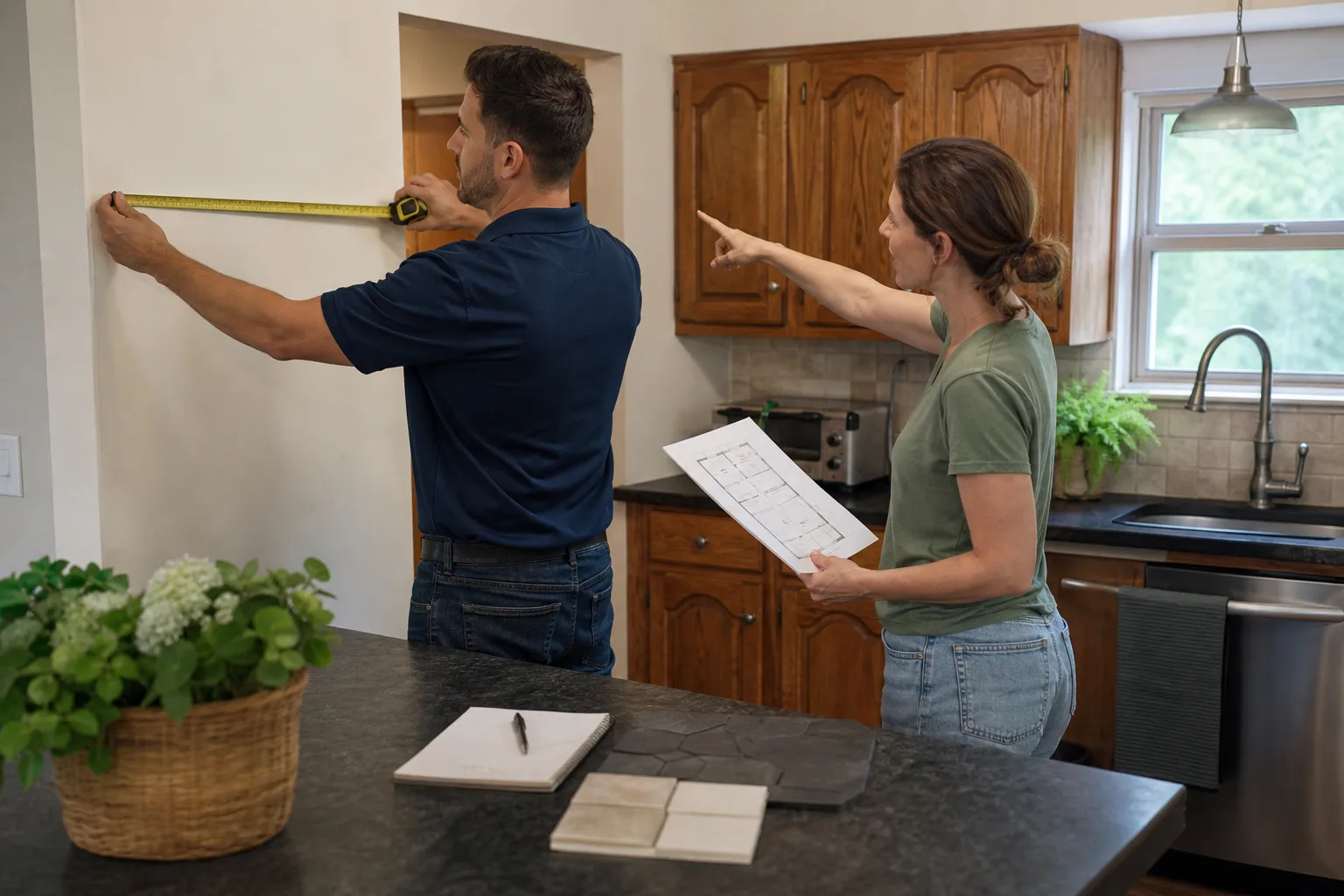
Last updated November 17, 2026


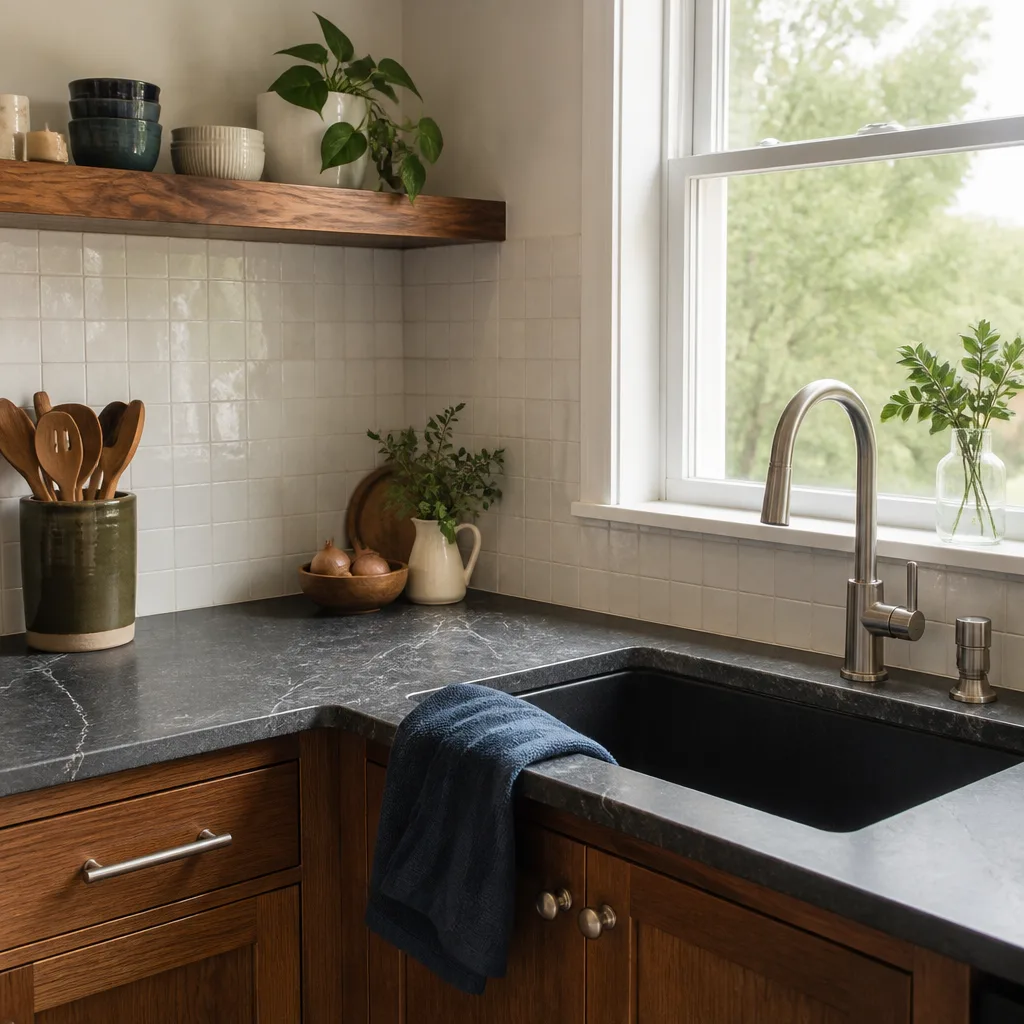

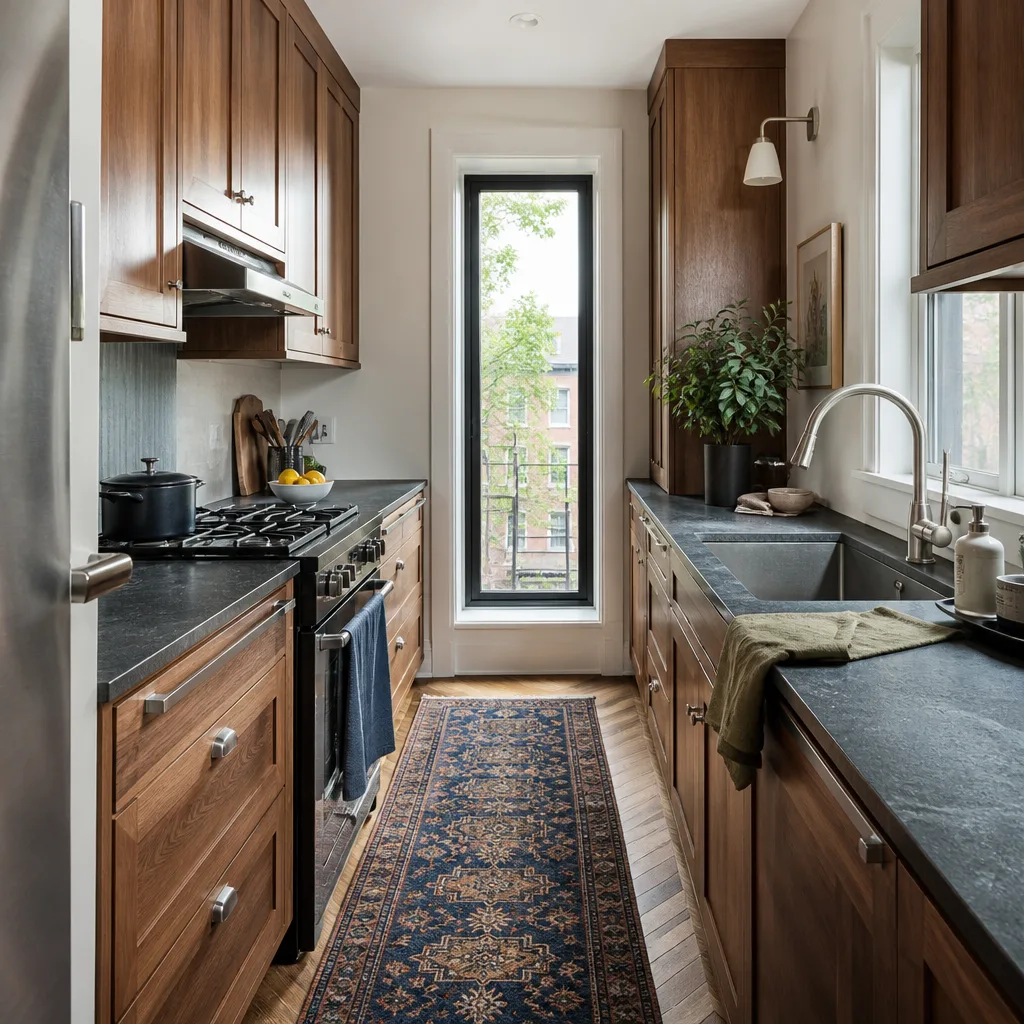



Free written scope consultation - allowances, timeline, and change-order rules on paper before a single trade is scheduled
DIY vs Professional Kitchen Remodeling: What’s Safe to Do Yourself
Swapping your kitchen faucet is legal DIY in California. Relocating the drain line under that sink by 18 inches requires a plumbing permit in Westminster, and if you do it without one, it becomes a material defect you must disclose on any future sale of the home. That gap between a $40 faucet and an 18-inch drain move is where the entire DIY-or-hire decision actually lives. Not in how handy you are. Not in your budget. The line runs through permit triggers and trade licensing. This guide maps that line task by task for Westminster homeowners so you can make a decision that’s insurable and legal, not just confident. We’ll cover what you can safely do yourself, what voids coverage, and why most licensed contractors won’t take a half-and-half project without a carve-out in writing.
Quick Answer
Safe DIY kitchen tasks: demolition of non-structural finishes, painting, cabinet hardware swaps, and backsplash tile on a non-wet wall. Permit-and-license required: anything moving plumbing, gas, or electrical circuits; relocating walls; new window or door openings; and structural changes. In Westminster, unpermitted kitchen work follows the home through insurance claims and resale disclosures, so decide based on permit triggers and trade licensing, not skill.
Styles & brands we work with
- Kitchen remodeling
- Bathroom remodeling
- Home additions & ADU
- Roofing
- Windows & doors
- Driveway & pavers
- Fence
Table of Contents
- Where Westminster Draws the DIY Line: Permits and Licensing
- Task-by-Task: What’s Legal DIY and What Isn’t
- The Real Cost of Unpermitted Kitchen Work: Insurance and Resale
- The DIY Work Actually Worth Doing (With Honest Time Estimates)
- Why Partial DIY Creates Liability for Licensed Contractors
- How a Hybrid Project Works Under The Garrison Standard
- What “Getting Permits Pulled” Actually Involves in Westminster
- Common Mistakes to Avoid
- When to Call a Professional
Where Westminster Draws the DIY Line: Permits and Licensing
Westminster sits in Orange County and runs on the California Building Standards Code as adopted locally, with the city’s own building division administering permits and inspections. The code doesn’t ask whether you’re capable. It asks whether the work is regulated. That’s the line.
Three categories of kitchen work almost always trigger a permit in Westminster:
- Plumbing relocations. Moving a sink, adding a dishwasher line, or shifting a drain means a plumbing permit. A licensed plumber pulls it. You cannot legally alter a drain or supply line under a kitchen permit as an owner-builder unless you’re doing the work on your own residence, and even then the permit and inspection are required.
- Gas work. Any new or relocated gas line to a range, cooktop, or wall oven requires a plumbing/gas permit and a licensed trade. This is not a DIY category in any jurisdiction, and it’s dangerous in every one.
- Electrical. New circuits for a range, adding outlets for a microwave hood, or relocating a GFCI circuit near the sink all require an electrical permit. Kitchen circuits are among the most heavily inspected in California because of shock and fire risk near water.
Cosmetic work – paint, cabinet refacing, hardware, backsplash on a non-wet wall – typically does not require a permit in Westminster. When in doubt, call the city building division directly. It’s a five-minute phone call that protects your home’s record. For the full picture of what a permitted kitchen project looks like end to end, our Kitchen Remodeling in Westminster page breaks down the steps.
Task-by-Task: What’s Legal DIY and What Isn’t
This is the list homeowners ask us for most. Use it as a starting map, and verify each item with the Westminster building division before you swing a hammer.
Legal DIY in Westminster (no permit, no license)
- Demolition of non-structural finishes: cabinet fronts, old countertops (once disconnected), backsplash, flooring, and drywall that isn’t load-bearing.
- Painting walls, ceilings, trim, and cabinet boxes.
- Cabinet hardware: drawer pulls, knobs, hinges on existing doors.
- Backsplash tile on a wall that isn’t a wet wall and doesn’t house plumbing or wiring.
- Replacing a light fixture that like-for-like swaps on an existing circuit (verify with the city first – some fixtures need a permit).
- Patching drywall after trade work is complete.
Requires a licensed trade and a pulled permit
- Any plumbing relocation, including moving a sink or dishwasher line.
- All gas line work – ranges, cooktops, wall ovens.
- New or relocated electrical circuits, outlets, and range hoods.
- Removing or relocating any wall. Even a “half wall” in a kitchen can be load-bearing or hide plumbing.
- New window or exterior door openings, which also require structural review. If you’re comparing window products for that opening, brands like ES Windows and CWS appear in the local market.
- Soffit removal or changes that affect ventilation or framing.
The gray zone – get a professional opinion
- Cabinet replacement. Swapping cabinets can involve plumbing, gas, and electrical within the same footprint, and the install itself must be anchored correctly.
- Countertop replacement. Natural stone and quartz like Cambria or Caesarstone require precise templating and seams; most homeowners hire this out even when they DIY everything else.
- Range hood replacement, which often triggers electrical or ducting changes.
The Real Cost of Unpermitted Kitchen Work: Insurance and Resale
Here’s the part that costs homeowners the most: unpermitted work doesn’t stay in the kitchen. It follows the house to the insurance company and to the closing table.
Insurance. If a fire or water loss traces to unpermitted electrical or plumbing work, your insurer can deny the claim on the grounds that the cause was a code violation you introduced. That’s not a scare tactic – it’s how most homeowners policies read. The money you saved on a permit can be dwarfed by a claim denial on a $40,000 kitchen loss.
Resale. In California, sellers complete transfer disclosure statements that ask about permitted work and known defects. A kitchen that shows unpermitted plumbing or electrical on the county record is a material defect you’re required to disclose. Buyers’ agents routinely pull permit history for the address. When the record shows a remodel and no permit, the buyer’s agent asks, and the answer affects price and negotiation.
In our experience in Westminster, kitchens in older neighborhoods frequently show additions and remodels from the 1980s and 1990s with no permit record. If you bought a home with unpermitted work, you inherited the problem. If you add to it, you own it. A permitted project gives you a paper trail – inspection cards, signed-off permits – that a buyer’s agent can verify and a title company can search.
The DIY Work Actually Worth Doing (With Honest Time Estimates)
DIY isn’t a binary. Some kitchen tasks pay off in real money saved and are genuinely within reach for a careful homeowner. Here’s our honest take, based on what we see on jobs across Westminster.
- Demolition. Tearing out old cabinets, countertops, and flooring saves labor cost – often 10-15% of a remodel’s labor line. Time: 1-2 days for a typical kitchen. Skill: low. But know what’s behind the walls before you swing. Cutting a live wire or a gas line during demo is a real hazard.
- Painting. Walls, ceilings, trim, and cabinet boxes. A full kitchen repaint runs $800-$2,000 in labor if hired out. Time: 3-5 days including dry time. Skill: low. Prep is 70% of the result.
- Hardware swap. Knobs, pulls, hinges. Time: 2-4 hours for a full kitchen. Skill: low. Cheapest high-impact change you can make.
- Backsplash tile on a non-wet wall. A tile backsplash in a kitchen is a manageable DIY if the wall doesn’t house plumbing or wiring. Time: 2-3 weekends for a first-timer. Skill: moderate. Wet walls (behind the sink, near the range) are a different matter.
Skip DIY on: gas, electrical, plumbing relocation, structural changes, and any task where a mistake is expensive to reverse. A bad tile job costs a redo. A bad gas connection costs a lot more.
Why Partial DIY Creates Liability for Licensed Contractors
This is the piece most homeowners never hear until they’re three contractors deep into a bid process. Licensed general contractors won’t take a project with homeowner-performed trade work inside it without careful structuring – and usually, they won’t take it at all.
Here’s the problem. When a licensed contractor pulls the permit for a kitchen, the permit is written against the contractor’s license. The inspections sign off on the whole scope. If a homeowner has done electrical work inside that scope without a permit, the contractor inherits the liability for the inspection, and if something fails, their bond and their license are exposed. That’s why a reputable contractor will ask for a written carve-out: an explicit line in the contract stating exactly what the homeowner performed, when, and that the contractor is not warranting it. And in most cases, that carve-out is narrow enough that it’s not worth the complexity.
There’s a second issue: sequencing. DIY work done out of order throws off inspections. If the homeowner paints before the electrical rough-in is inspected, that’s a re-inspection and a delay. Multiply that by a few trades and the schedule slips by weeks.
The takeaway: if you want to DIY specific finish work inside a permitted remodel, you need a contractor willing to spell out the boundary in writing. Most won’t. The ones who will are usually the ones who already run their projects on written scopes, which is the whole point.
How a Hybrid Project Works Under The Garrison Standard
We do handle hybrid projects at Bradford Remodeling Co Westminster, and we handle them the same way we handle every project: everything on paper before the first tool comes out. The Garrison Standard requires a written price before work starts and a documented scope that draws the permitted work and the homeowner’s work as two separate boxes.
Practically, that means:
- We pull every permit for the trade and structural work, and inspections are ours to pass.
- The written scope states exactly which tasks are homeowner-performed (demo, paint, hardware, backsplash), with a signed acknowledgment that those tasks are outside our guarantee.
- We set a schedule with a clear hand-off point so inspections come before finishes, not after.
- Every completed project carries the 365-Day Done Right Promise: if work we performed fails within a full year, we come back and correct it at no charge. Homeowner-performed tasks aren’t covered by that promise, which is why the scope line matters.
We work with a documented roster of brands – KraftMaid and Wellborn cabinetry, Cambria and Caesarstone surfaces, Kohler and Moen fixtures – so the material side of the project is traceable. Background-checked, uniformed technicians show up on every job, and a live person answers the phone around the clock. When the project closes, you have three things in hand: a clean site, a documented scope, and a signed written guarantee. That’s what squared away looks like.
For homeowners weighing a larger overhaul of the whole house, our General Contractor in Westminster page explains how permits and inspections apply beyond the kitchen.
What “Getting Permits Pulled” Actually Involves in Westminster
Homeowners often don’t realize what a permit actually costs in time and money until they’re inside the process. Here’s the straight version.
- Application. The contractor submits plans and a scope to the Westminster building division. Simple kitchens often run through an over-the-counter review; more complex projects with structural or gas work need plan review.
- Plan review. Two to four weeks is typical. Complex kitchens can run longer if structural engineering is required.
- Permit fees. Permit fees in Westminster scale with project value and trade scope. A kitchen remodel with plumbing, electrical, and mechanical work typically lands in the several-hundred to low-thousands range in fees alone, before labor.
- Rough-in inspections. Plumbing, electrical, and framing rough-ins are inspected in sequence, before finishes go up.
- Final inspection. Once finishes are complete and the inspector signs off, the permit is closed. That’s the record that follows the home.
When we say we pull the permits, we mean we own every step of that list – including the re-inspection if something fails. You don’t chase the inspector. You don’t guess at the fee.
Common Mistakes to Avoid
- Treating “I can do it” as “I’m allowed to do it.” The code cares about whether the work is regulated, not whether you’re capable. Relocating a drain in a Westminster kitchen without a permit is a code violation regardless of the quality of the work.
- Assuming the yardstick is the same as your neighbor’s county. Orange County cities administer permits differently, and Westminster’s process is not the same as Los Angeles or Long Beach. Verify with the city, not a forum.
- Cutting into a wall to “see what’s there” before knowing what’s behind it. A half-wall in a 1970s Westminster kitchen can hide plumbing or a load path. Open nothing you can’t close correctly.
- Doing DIY demo before the contractor has documented the scope. Demo done out of order means finishes get wrecked, and any warranty on the destroyed work is voided.
- Skipping the permit to save money, then selling later. California resale disclosure requires you to disclose unpermitted work. Buyers’ agents pull permit history. The savings evaporate in negotiation.
- Assuming your homeowner’s policy covers unpermitted work. It usually doesn’t. A water or fire loss traced to a code violation can be denied.
- Letting the DIY plan drift into the trade scope. “While I’m in there, I might as well move the outlet” is the single most common way homeowners create a code violation without realizing it.
When to Call a Professional
Call a licensed professional any time the work touches gas, electrical circuits, plumbing supply or drain lines, structural framing, window or exterior door openings, or anything requiring a permit in Westminster. Call when the scope is still unclear – the cost of a one-hour professional walk-through is almost always less than the cost of an unpermitted misstep. Call when you’re buying a home with a remodeled kitchen and want to know whether the record is clean. And call when the project has a real deadline, because permits and inspections don’t compress.
Bradford Remodeling Co Westminster offers free estimates in Westminster – a written price before any work starts, every time. We pull every permit, we pass every inspection, and every completed project is covered by the 365-Day Done Right Promise. If you’re weighing DIY against a permitted project and want a straight number on the contractor side of the line, call (833) 954-5086.
See the difference
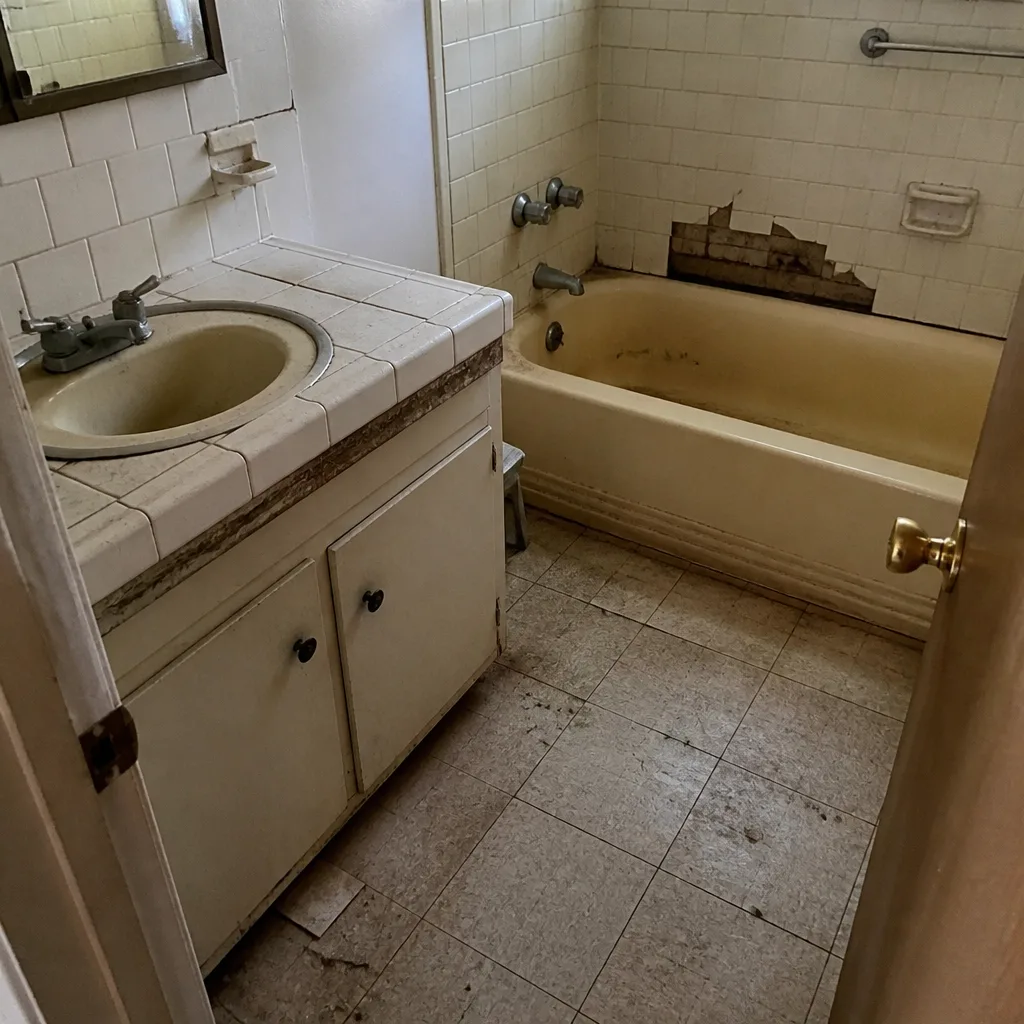 Before
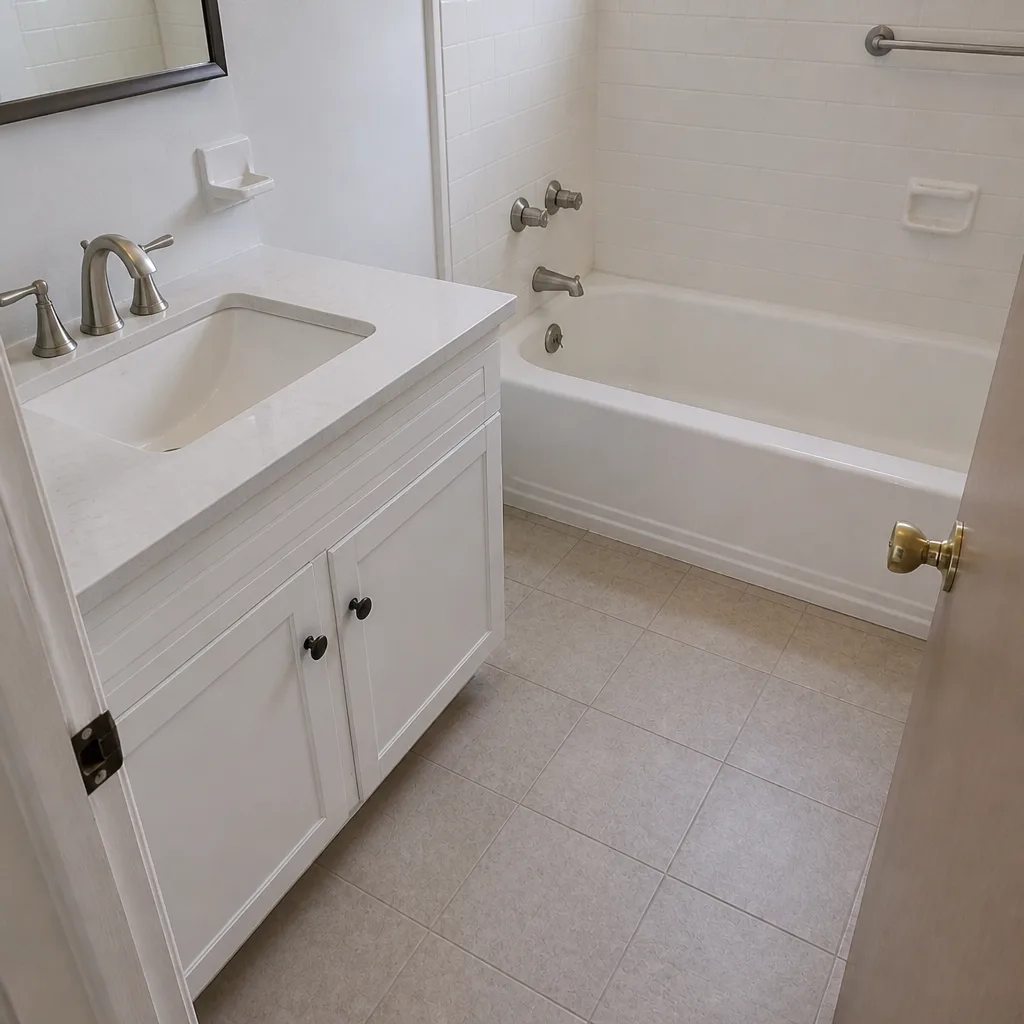 After
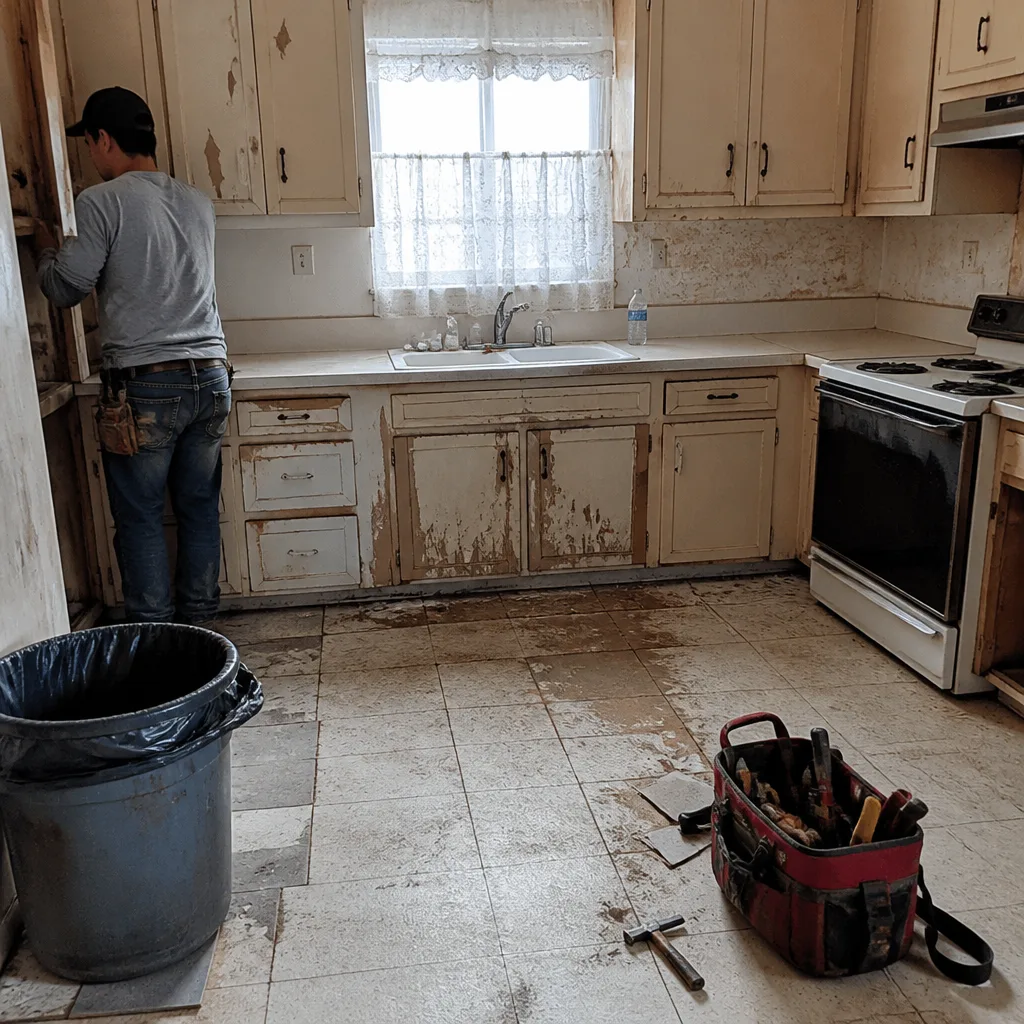 Before
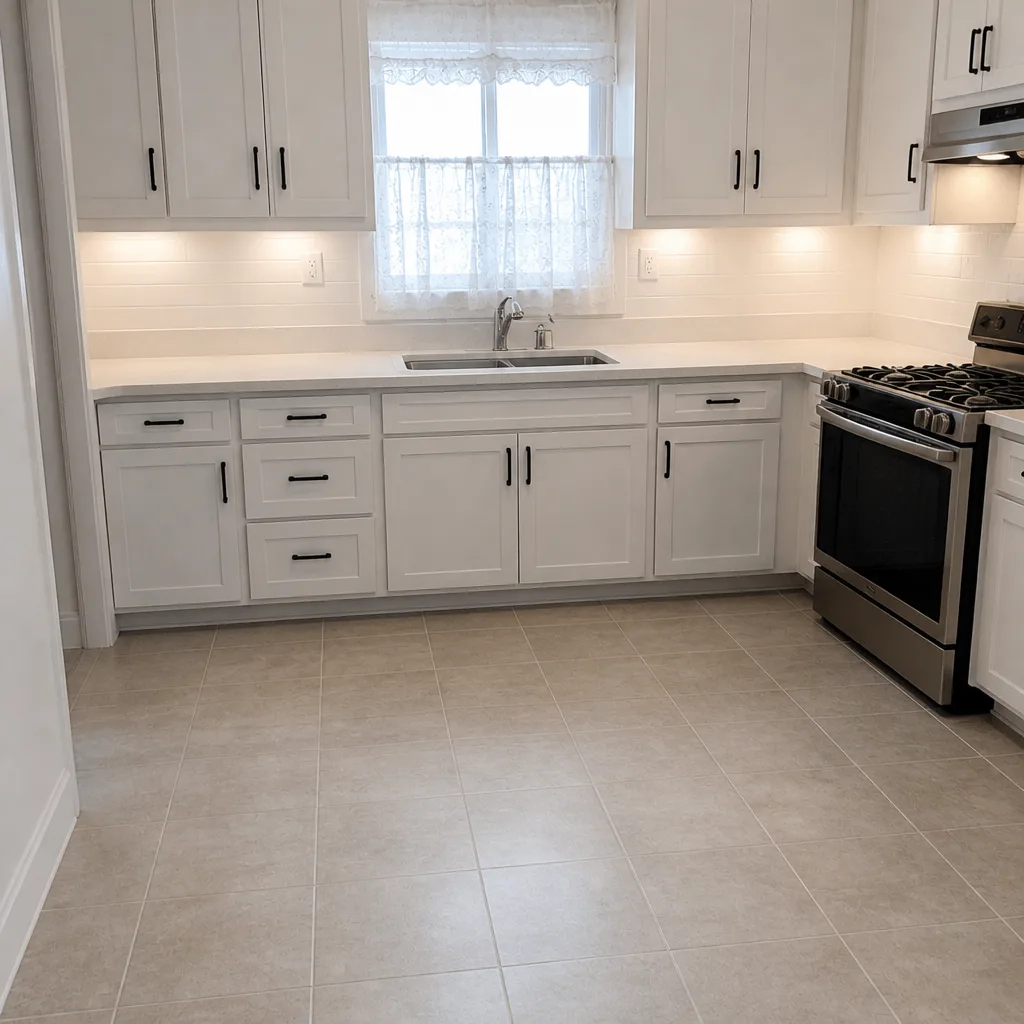 After
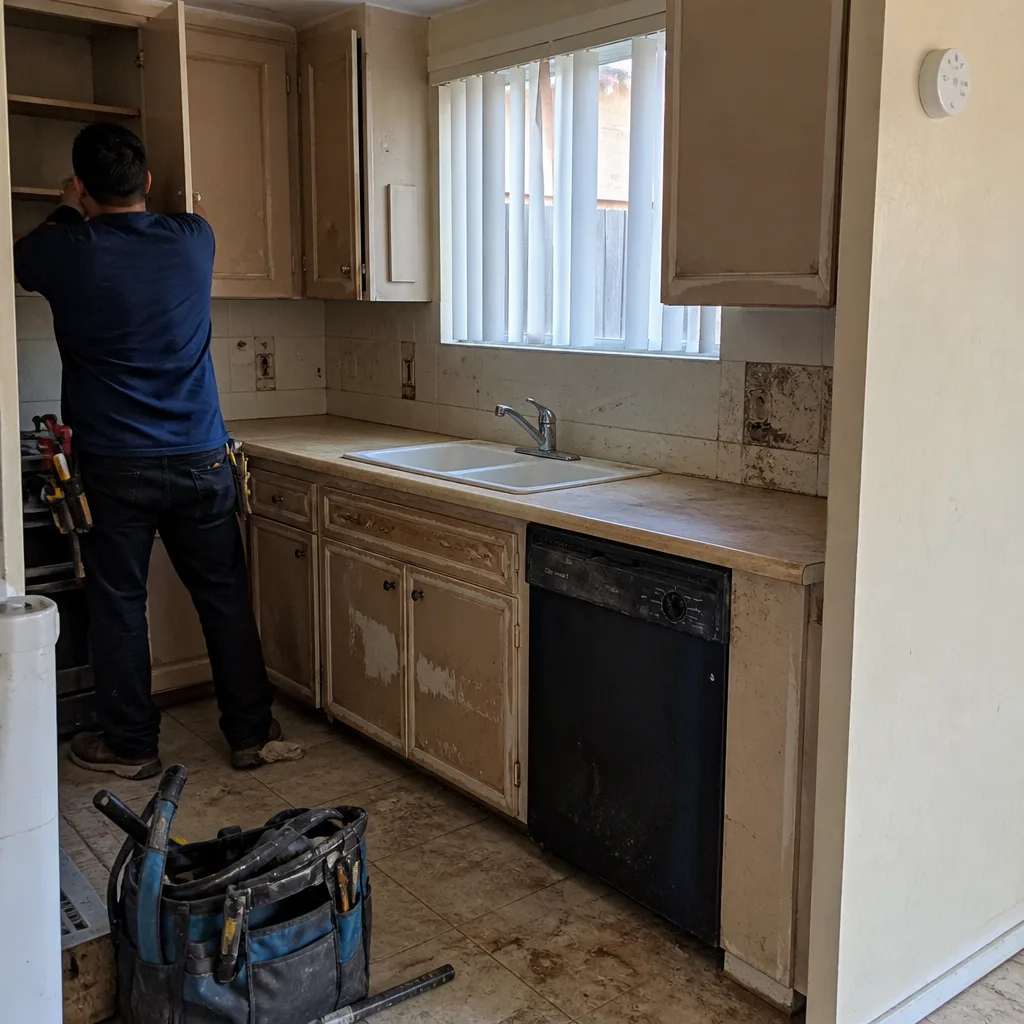 Before
 After
Frequently Asked Questions

You can legally DIY demolition of non-structural finishes, painting, cabinet hardware swaps, and backsplash tile on a non-wet wall in Westminster without a permit or license. Anything that moves plumbing, gas, or electrical circuits, or removes a wall, requires a permitted licensed trade. When in doubt, call the Westminster building division – it’s a short call and it protects your home’s record.
Often yes, because cabinet replacement usually involves disconnecting and reconnecting plumbing, gas, or electrical within the footprint, and each of those has its own permit trigger. If you’re swapping cabinet fronts only – not the boxes – you typically don’t need a permit. A licensed contractor will confirm what applies to your specific layout before pricing.
You must disclose unpermitted work on the California transfer disclosure statement because it’s a material defect. A buyer’s agent will pull permit history for the address, and the discrepancy becomes a negotiation point or a deal problem. The cleanest path is to permit the work when it’s done, not to solve it at resale.
Usually not if the loss traces to a code violation. Most policies exclude damage caused by unpermitted or non-code-compliant work. Permitted work with inspection sign-offs gives you a documented paper trail, which is what an adjuster needs to see.
Yes, but only with a written scope that separates your demo from the contractor’s permitted work. A reputable contractor will put the boundary in writing, including a signed acknowledgment that your demo is outside their warranty. Without that carve-out, most licensed contractors won’t take the project, because the permit sits on their license and your work sits inside their scope.
Plan review alone runs about two to four weeks for a typical kitchen. The full project – demo through final inspection – usually runs eight to fourteen weeks depending on scope and material lead times. Cabinet lead times are often the longest link. Call (833) 954-5086 for a specific timeline on your project; the estimate is free.
The Bottom Line
The DIY-or-hire question in a Westminster kitchen isn’t about your skill level. It’s about permits and trade licensing. Demo, paint, hardware, and non-wet-wall backsplash tile are yours to do. Anything that moves plumbing, gas, or electrical – or that changes structure – belongs to a licensed trade with a pulled permit. Skip a permit and you create an insurance exposure and a resale disclosure you’ll own. If you want the permitted work handled on a written scope with a written price, and the DIY finish tasks drawn as a separate box on the same document, that’s how a hybrid project runs under The Garrison Standard. Pair this guide with our Bathroom Remodeling in Westminster page if your project spreads beyond the kitchen, and start from the Bradford Remodeling Co Westminster home page to see the full service picture.
Ready to price the contractor side of the line? Call (833) 954-5086 for a free estimate in Westminster. A live person answers around the clock, and you’ll have a written price before any work starts.
Written by the team at Bradford Remodeling Co Westminster.