Last updated November 17, 2026



Free written scope consultation - allowances, timeline, and change-order rules on paper before a single trade is scheduled
DIY vs Professional General Contractor: What’s Safe to Do Yourself
You can legally paint your own house, install your own flooring, and even frame a non-load-bearing interior wall in Westminster without calling anyone. But the moment you open a wall to run a new outlet, you’ve crossed into permit territory that follows the property deed, not you personally. That distinction matters far more than how confident you feel with a nail gun. This guide draws hard lines based on California code and Westminster permit rules, not on skill level or YouTube tutorials. You’ll learn exactly which tasks trigger a permit, what an unpermitted project costs you at resale, and where the real savings sit when you compare doing it yourself against hiring a licensed general contractor.
Quick Answer
In Westminster, finish work like painting, flooring, tiling a backsplash, and installing trim is genuinely safe for a careful homeowner to do themselves. Anything that touches structural framing, electrical circuits, plumbing supply or drain lines, or gas requires a pulled permit and a licensed trade no matter who swings the hammer. The dividing line isn’t your confidence; it’s whether the work needs inspection and whether it transfers liability off your deed.
Styles & brands we work with
- Kitchen remodeling
- Bathroom remodeling
- Home additions & ADU
- Roofing
- Windows & doors
- Driveway & pavers
- Fence
Table of Contents
- Which Westminster Projects Require a Pulled Permit
- What’s Genuinely Safe to Do Yourself
- What Unpermitted Work Costs You at Resale and on Insurance
- How the Liability Chain Works (and Why Most GCs Won’t Supervise Partial DIY)
- The Honest Cost Comparison: Finish Work vs. MEP
- What “Competent” Actually Means in Trade Terms
- Common Mistakes to Avoid
- When to Call a Professional
Which Westminster Projects Require a Pulled Permit
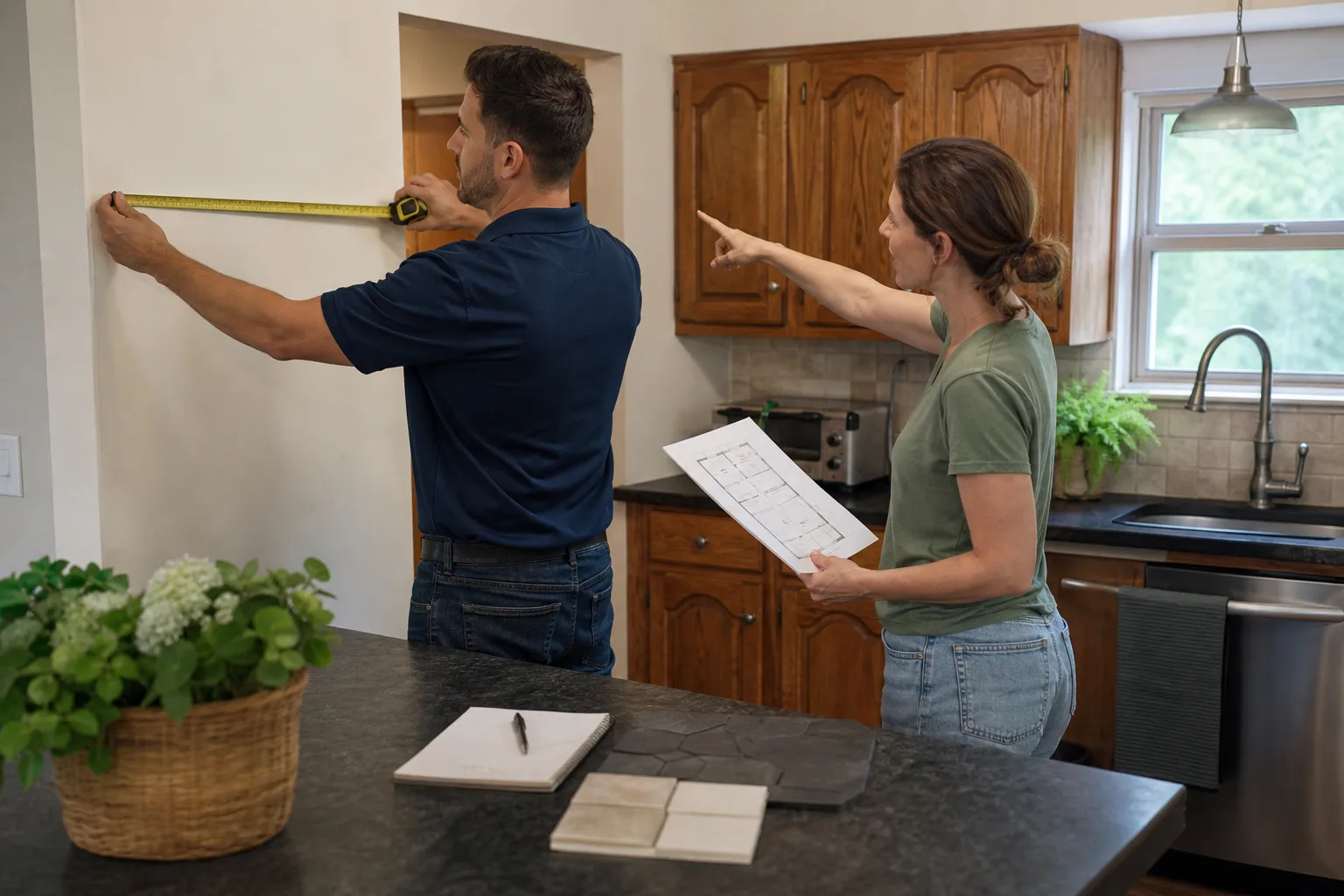
Westminster follows the California Building Standards Code plus its own local amendments, and the permit-trigger list is stricter than most homeowners expect. The rule isn’t “big jobs need permits.” It’s “anything the code wants inspected needs a permit,” regardless of who does the labor. Opening a wall to add a circuit is permit work even if you’re the one holding the wire.
Here’s the practical trigger list for a Westminster property. If a project falls on this list, a permit must be pulled before work starts, full stop.
- Adding or relocating an electrical outlet, switch, or circuit. A like-for-like swap of a fixture or receptacle is generally exempt; new wiring inside a wall is not.
- Any panel work. Replacing a breaker panel, upgrading service amperage, or adding a subpanel.
- Moving or adding plumbing supply or drain lines. Swapping a faucet is fine; relocating a sink, adding a bathroom, or rerouting a drain is permit work.
- Gas line work of any kind. New runs, relocations, and appliance hookups fall under plumbing and mechanical permits.
- Removing or altering any wall you can’t prove is non-load-bearing. That includes most of what you’d “just knock out” in a 1960s ranch home.
- Adding or enlarging a window or exterior door. Header changes and egress requirements trigger both structural review and energy compliance.
- Re-roofing, or any alteration to the roof structure. Even a tear-off and re-cover needs a permit.
- HVAC changeouts and ductwork. Mechanical permits cover replacements, not just new installs.
- Water heater replacements. A straight swap still requires a permit because it involves gas or electrical connection and seismic strapping.
- Adding square footage in any form. Room additions, converted garages, enclosed patios, and ADUs all require full plan review.
The list surprises people because the individual tasks look small. Replacing a water heater takes an afternoon. But if it vents improperly or isn’t strapped for seismic movement, the failure shows up years later, and the permit record is what carries the liability. If your project touches anything on that list, it belongs in the hands of a licensed professional who pulls permits as part of the scope. Our General Contractor in Westminster work starts with a written scope that names every permit required.
What’s Genuinely Safe to Do Yourself
Here’s the good news: a lot of the visible, high-satisfaction work on a home is legitimately DIY-friendly. Finish work doesn’t carry the same permit exposure as MEP (mechanical, electrical, and plumbing), and a careful homeowner with patience can save real money on it. The test is simple. Does the task require a permit or inspection? If not, and if a mistake would be cosmetic rather than dangerous, it’s fair game.
Tasks that are genuinely safe for a competent homeowner:
- Interior painting. Prep, prime, and finish coats carry no permit and no liability transfer.
- Flooring installation. Laminate, engineered hardwood, and floating vinyl plank are all fair game. Check the substrate first; that’s where most DIY flooring fails.
- Tiling a backsplash or a floor. Cosmetic tile work doesn’t require a permit. Waterproofing in a wet area is the part to get right.
- Trim, baseboard, and crown molding. Purely finish carpentry. Caulk and paint hide a lot.
- Replacing a faucet, toilet, or showerhead. Like-for-like swaps without moving supply or drain lines are permitted for homeowners.
- Replacing a light fixture or a switch. Direct swap on an existing circuit is generally allowed.
- Cabinet refacing or painting. Cosmetic work, no permit. New cabinet installation edges toward permit territory if electrical or plumbing moves.
- Landscaping, fencing, and hardscape. Belgard or Unilock paver work is heavy labor but doesn’t need a permit in most cases.
- Replacing a garage door or entry door in the same opening. Swapping a Therma-Tru door into the existing frame is generally exempt; enlarging the opening is not.
The savings here are real. A DIY backsplash might run $400 in materials versus $1,500 or more installed. A DIY floor might save $2,000 on a 500-square-foot room. That’s the honest DIY payoff, and it lives in the finish layer, not in the walls.
What Unpermitted Work Costs You at Resale and on Insurance
Unpermitted work follows the property, not the person. That’s the part most homeowners don’t grasp until they’re standing at a closing table. When a Westminster home sells, the buyer’s inspector is required to flag work that appears newer than the rest of the structure and has no permit trail. That flag becomes a negotiation, a repair demand, or a dead deal.
Under California Civil Code, sellers must disclose known unpermitted work. A buyer’s inspector won’t always catch it, but a title search plus permit history from the city building department usually will. Once it’s on record, three things happen:
- The appraisal can’t count the improvement. An unpermitted addition or converted garage doesn’t add appraised value. You paid for square footage the lender won’t recognize.
- The buyer can demand it be legalized or removed. Legalizing means retroactive permits, opening walls for inspection, and possibly redoing work that was done wrong the first time.
- Your insurer can deny a claim. If a fire or water loss traces back to unpermitted electrical or plumbing work, the carrier has grounds to dispute coverage. That’s not a theoretical risk; carriers pull permit records during large-loss investigations.
We’ve watched Westminster homeowners spend $4,000 to legalize a $2,500 DIY bathroom addition. The permit fees, inspections, and rework ate the entire savings and then some. The equation only looks favorable on the day the work is done, not on the day the house sells.
How the Liability Chain Works (and Why Most GCs Won’t Supervise Partial DIY)
There’s a common hope that a licensed general contractor will “supervise” a homeowner’s DIY work so the project can claim the GC’s license and insurance. In practice, almost no reputable GC will do this, and the reason is the liability chain. When a licensed contractor pulls a permit, they assume responsibility for every part of the work under that permit. If the homeowner did half the rough-in and something fails inspection, the contractor still owns the failure with the city, the insurer, and the eventual buyer.
Some contractors will supervise a defined scope, meaning they handle everything under the permit and the homeowner handles the finish work. That structure works. What doesn’t work is asking a GC to “sign off” on work a homeowner installed themselves. No contractor with an active license and real insurance will accept that risk, and the ones willing to do it usually aren’t licensed or aren’t insured.
The clean split we see hold up on real projects:
- Contractor pulls the permits and owns all MEP and structural work. Electrical, plumbing, mechanical, framing, and anything else on the permit trigger list.
- Homeowner takes the documented finish scope. Paint, flooring, trim, backsplash, landscape, final touch-up.
- Contractor inspects and signs off on the finish connection points. Cabinet installs over a DIY floor, for example, so the finished product lines up.
- Written scope up front names exactly who does what. No verbal agreements, no “we’ll figure it out.”
That’s how a partial DIY project works without breaking the liability chain. It’s also why our written price always lists the finish scope as either included or explicitly excluded, so nobody is guessing at the handoff.
The Honest Cost Comparison: Finish Work vs. MEP
The real savings from DIY live in the finish layer. The real risks live in MEP and structural work. Here’s the working comparison we’ve built from watching Westminster projects land, based on typical mid-size metro pricing:
- Interior painting, whole home (2,000 sq ft): $600 to $1,000 in materials DIY, versus $3,500 to $5,500 installed. Savings: roughly $2,500 to $4,500.
- Flooring, 500 sq ft engineered hardwood: $1,500 in materials, versus $3,500 to $5,000 installed. Savings: $2,000 to $3,500.
- Kitchen backsplash tile: $300 to $500 in materials, versus $1,200 to $2,200 installed. Savings: $700 to $1,800.
- Cabinet refacing or painting: $500 to $900 in materials, versus $3,000 to $6,000 for a full reface. Savings: substantial, though it’s an easier job with professional spray equipment and cabinet boxes in square.
- Rewiring a kitchen circuit (adding outlets for new appliances): Not DIY territory. Permit, panel capacity, and code compliance all enter. A failed install at this level runs $2,500 or more to correct, plus investigation.
- Moving a bathroom drain for a new layout: Not DIY. Water damage from a failed drain joint runs into five figures once subfloor and framing are involved, and insurance usually won’t touch it if the work was unpermitted.
- Removing a load-bearing wall: Absolutely not DIY. The correction if it goes wrong involves temporary shoring, new header design, structural engineering, and re-drywall. Ten times the cost of doing it right the first time.
Add it up and the sensible path for most Westminster homeowners is clear: do the finish work yourself if you’re patient and careful, and let a licensed contractor own the permit-trigger work. The savings from DIY painting and flooring are real. The risks from DIY electrical and plumbing are not something to trade $3,000 of savings for.
When the MEP side of your kitchen or bathroom is the question, our Kitchen Remodeling in Westminster and Bathroom Remodeling in Westminster scopes both start with a written price that names permits and excludes the finish work you want to keep. That number doesn’t move at the door.
What “Competent” Actually Means in Trade Terms
“Competent” gets thrown around a lot when homeowners describe their own skill. In trade language it means something narrower and more useful. A competent homeowner is not someone who watched a tutorial. It’s someone who can read a manufacturer spec sheet, understands what substrate means and why it matters, and knows when the task has moved past their real ability. Confidence isn’t competence.
In our experience, a homeowner is ready for the finish-layer work when all five of these hold:
- You’ve read the material spec and understand substrate preparation. Substrate is the surface you’re building on. A floor with a hollow spot or a wall with a wet patch will fail the finish no matter how good the tile set is.
- You know when to stop. The moment you find wet rot under a sink cabinet or a live wire where there shouldn’t be one, the job has moved past finish work.
- You have the correct tools, not the closest tools. A wet saw, a laser level, a proper trowel, a stud finder that works. Borrowing two of those doesn’t get you to competence.
- You have time to do it twice. Assume one mistake per room. If a weekend is your only window, hire the finish work out.
- You understand what your work will look like to a future buyer’s inspector. If your work is going to appear unpermitted and unfinished in five years when you sell, it’s not competent work.
If you read that list and feel unsure on any line, that’s fine. It’s better to know the line than to find it in the middle of a job. The homeowners who do the most good with DIY are the ones most honest about their limits.
Common Mistakes to Avoid
- Opening a wall before checking for a permit requirement. In Westminster, a wall opening for electrical or plumbing is a permitted activity. Open it first and you’ve already started work that requires a permit. Get the permit first.
- Assuming a swap is exempt when it isn’t. Water heater replacement feels like a swap. It isn’t. It’s a permitted mechanical and plumbing activity with seismic and venting requirements attached.
- Trusting a contractor who offers to “supervise” your DIY. If a contractor is willing to sign off on work someone else installed under their license, they’re either not licensed or not insured. Ask for the license, then verify it.
- Starting work without a written scope and price. The most common surprise in remodel work is scope creep on the MEP side. A written scope before the first tool comes out is the only reliable protection.
- Buying finish materials from an untraceable source. Westminster homes sit in a mild coastal climate, and moisture-tolerant flooring specs matter. Off-brand materials without traceable specs fail warranties and complicate resale.
- Skipping the final inspection. A permit pulled and passed at rough-in still needs a final inspection. Unverified final inspections show up at resale as open permits.
- Assuming a “small” renovation has small risk. A $2,500 bathroom refresh that reroutes plumbing has more exposure than a $40,000 kitchen remodel that doesn’t touch the walls. Scope, not price, determines the risk.
When to Call a Professional
Call a professional the moment your project touches anything on the permit trigger list, and that includes any time you find yourself unsure whether it does. The other scenarios are less obvious: opening a wall in a Westminster home built before 1980 that hasn’t been inspected for asbestos or knob-and-tube wiring, correcting work that failed inspection, and legalizing unpermitted work before a sale. Those are all jobs where hiring out costs less than guessing.
Bradford Remodeling Co Westminster offers free estimates in Westminster. Call (833) 954-5086 to schedule yours. Every estimate is a written price before any work starts, and every completed project carries the 365-Day Done Right Promise: if the work doesn’t hold within a full year, we come back and correct it at no charge. Our technicians have up to 22 years of experience, and every crew member is background-checked and uniformed, so you know exactly who is walking through your door. You can read more about how we work on our Bradford Remodeling Co Westminster home page.
See the difference
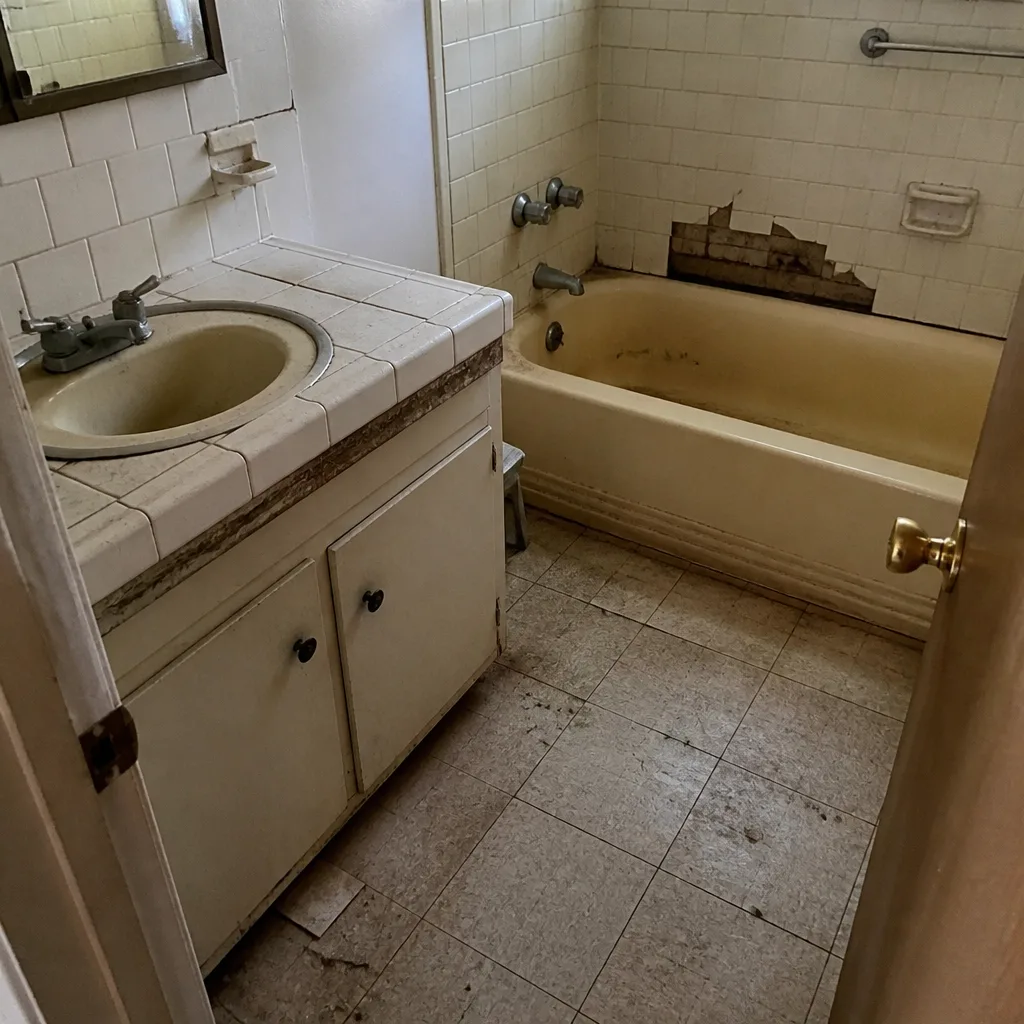 Before
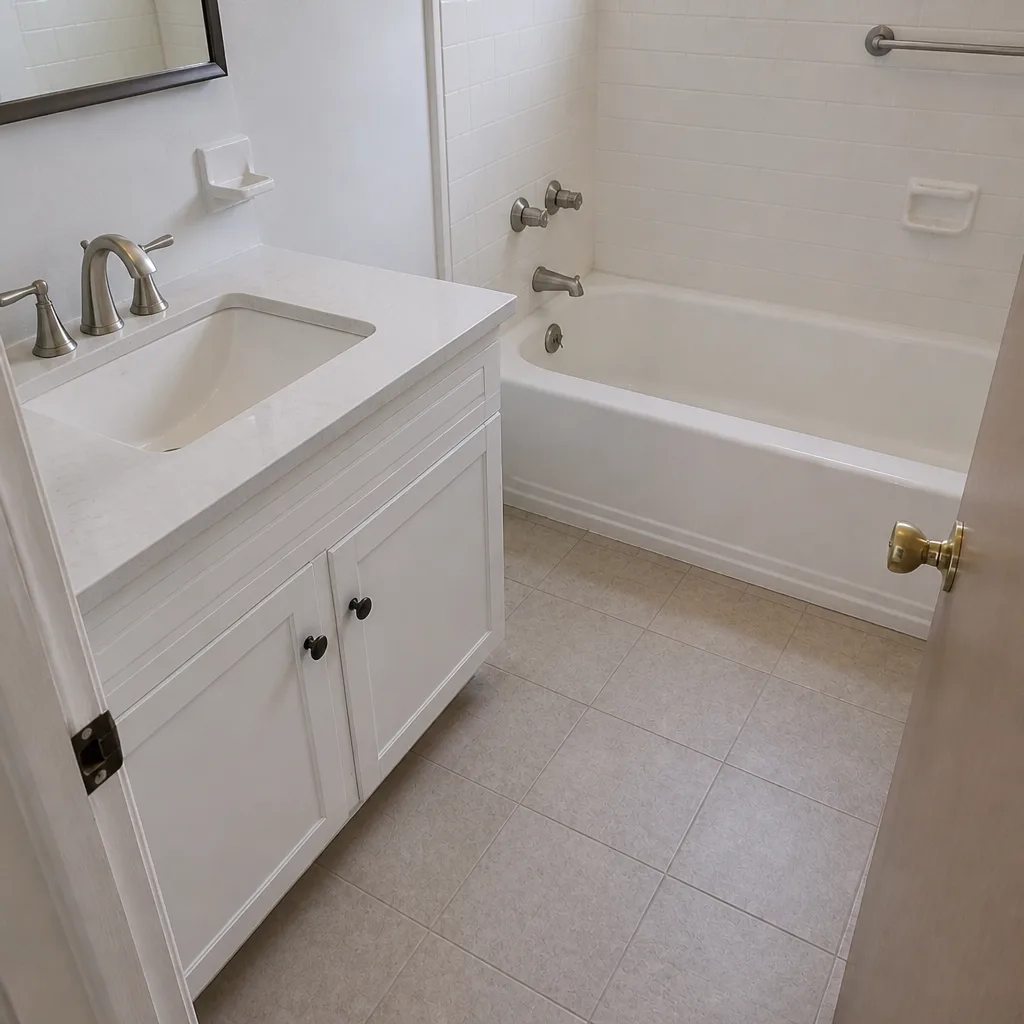 After
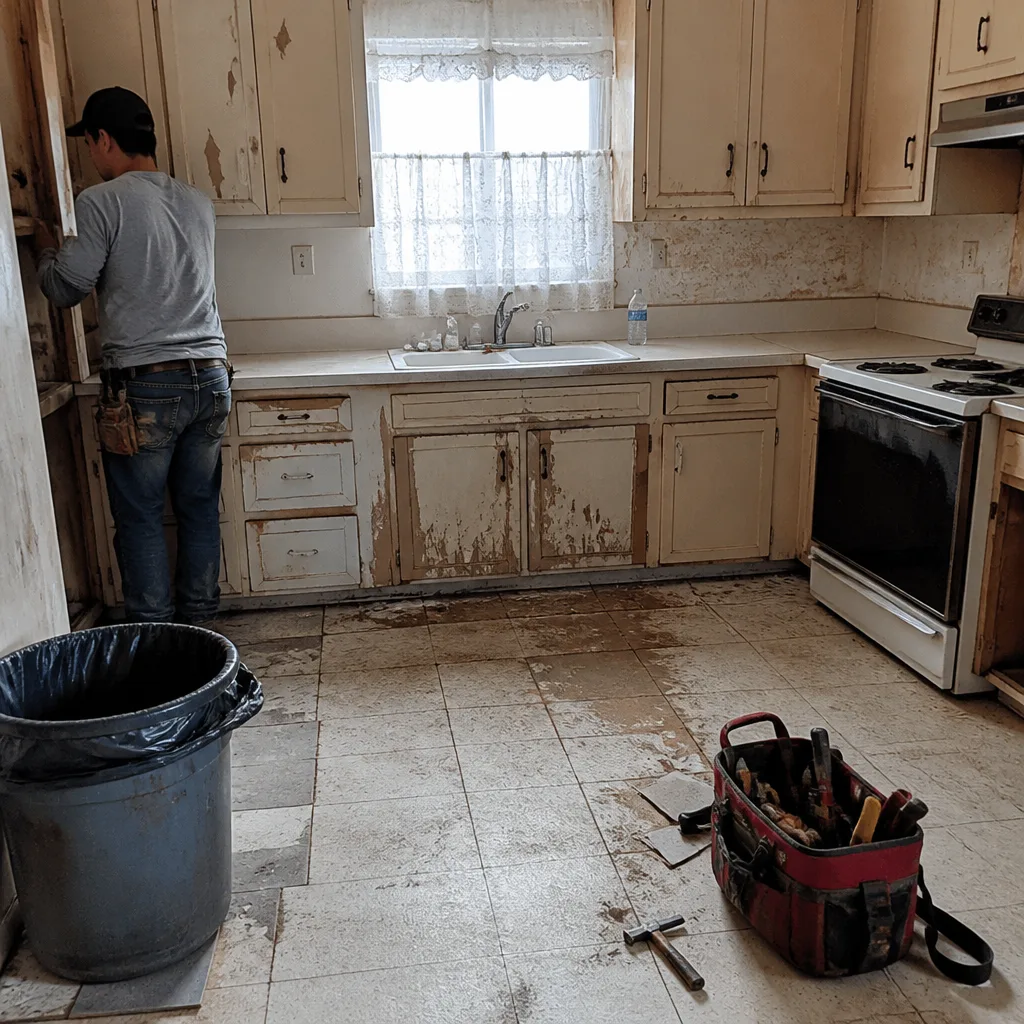 Before
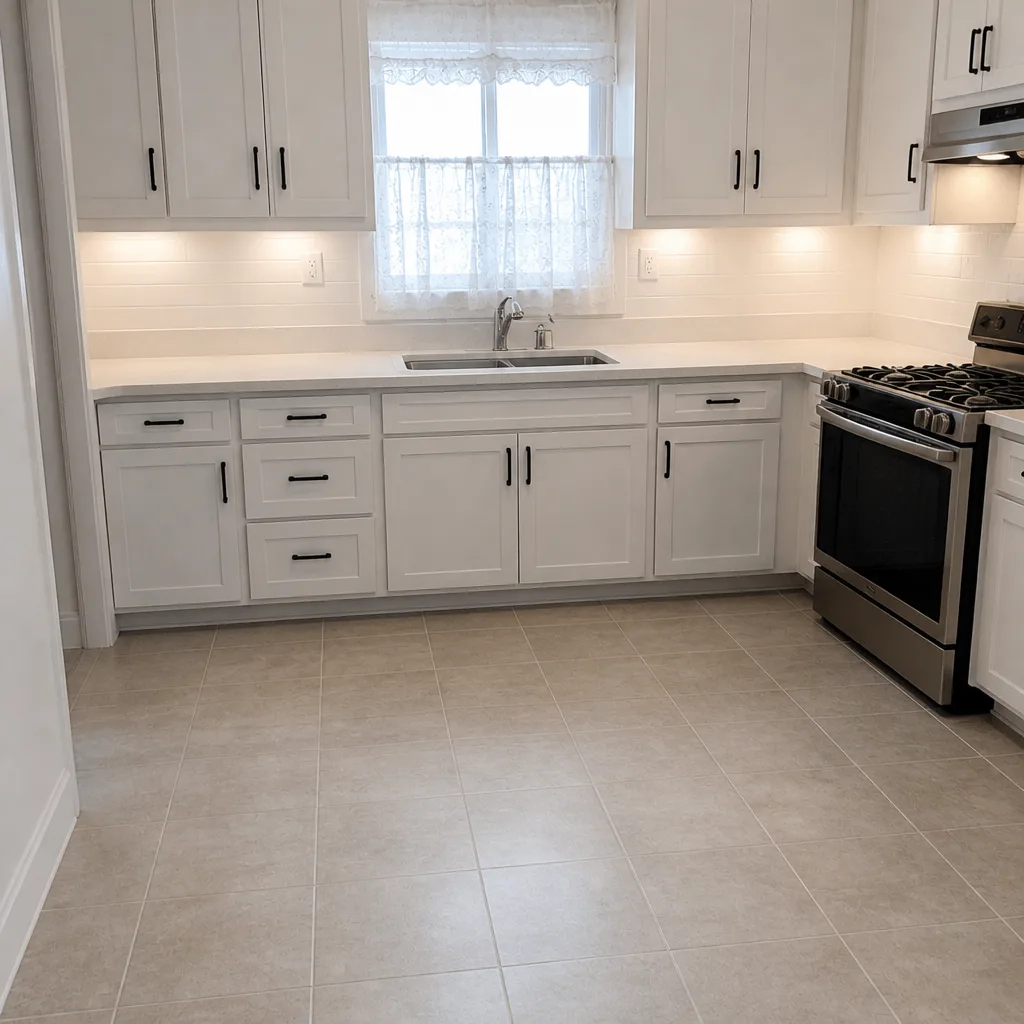 After
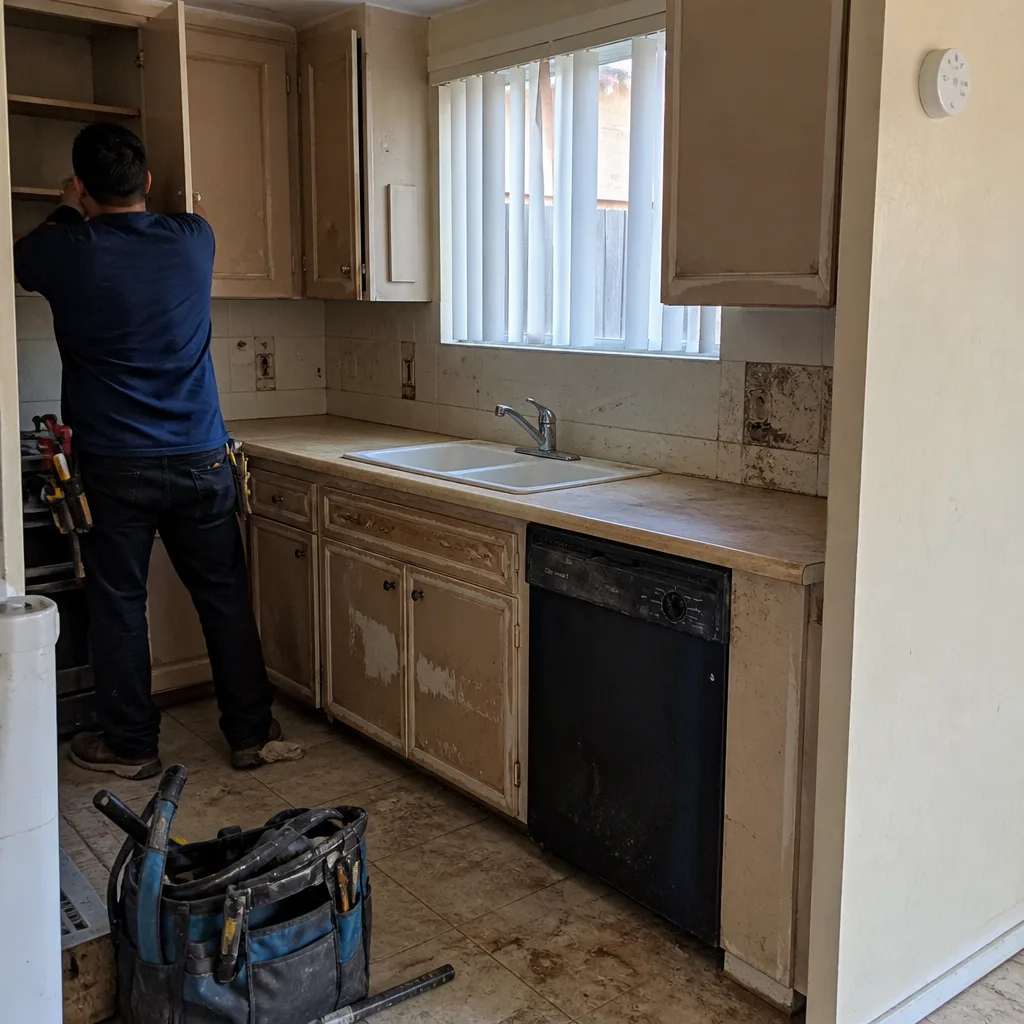 Before
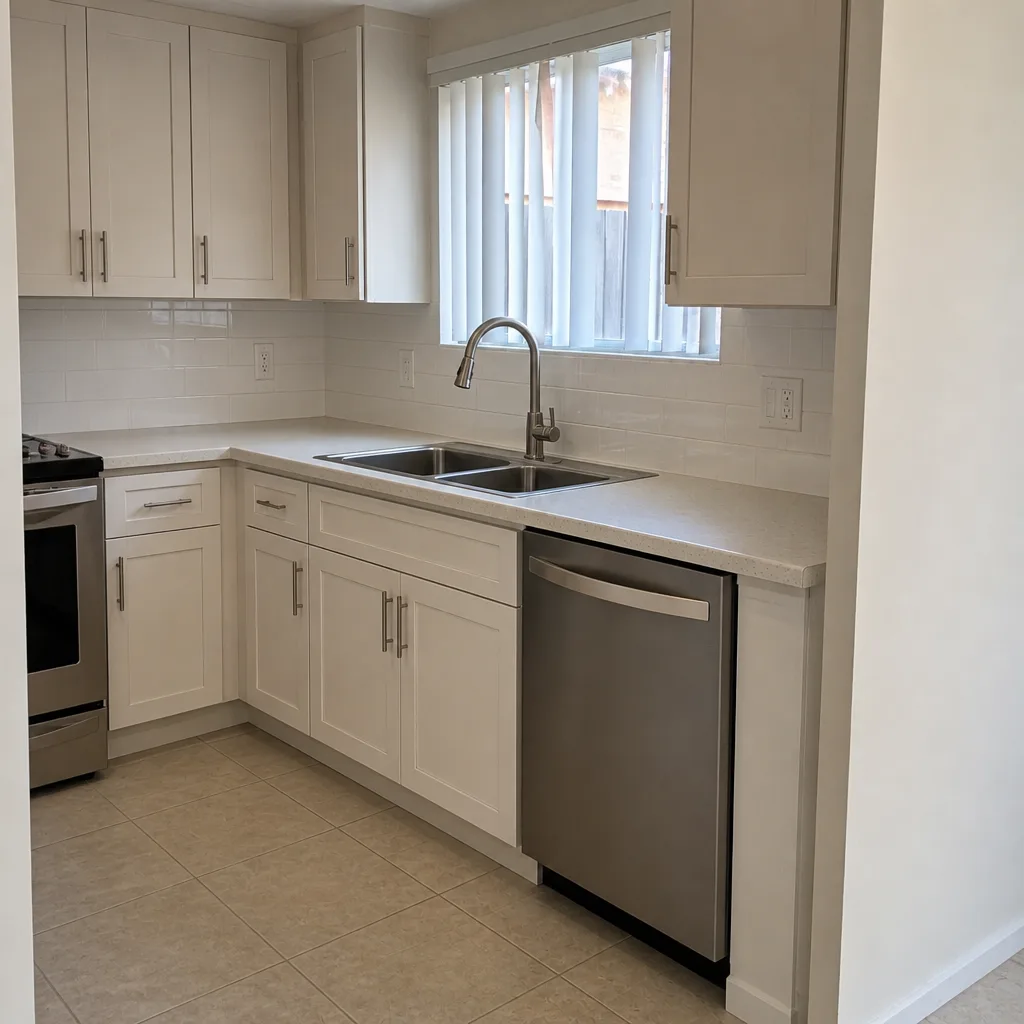 After
Frequently Asked Questions

Usually no. Flooring installation isn’t a permitted activity in most Westminster homes because it doesn’t touch structural, electrical, plumbing, or mechanical systems. The exception is if the install requires modifying the subfloor or addressing water damage uncovered during removal; that work can edge into permit territory. Call (833) 954-5086 if you’re unsure before you start pulling up the old floor.
California law allows a homeowner to perform electrical work on their own primary residence, but the work still requires a permit and inspection, and it must meet the same code as licensed work. In practice, only simple swaps without new wiring are safe. Anything inside a wall, on a new circuit, or at the panel is a job for a licensed electrician. Call (833) 954-5086 for an estimate if the scope goes past a light swap.
You must disclose it under California Civil Code. The buyer’s inspector will flag work that appears newer than the surrounding structure without a permit trail, and the flag typically becomes a repair demand or a price reduction. The appraisal also won’t count unpermitted additions as square footage. Legalizing the work after the fact is usually more expensive than doing it right the first time. Call (833) 954-5086 for a free estimate on legalizing or finishing out unpermitted work.
Rarely, and only on a defined finish scope written into the contract. A licensed contractor can’t accept responsibility for work someone else installed under their permit; the liability chain runs straight back to them for anything under that permit. The workable structure is a written split where the contractor owns all MEP and permit work and the homeowner owns the finish scope. That’s how Bradford Remodeling Co Westminster writes every partial-DIY scope. Call (833) 954-5086 to talk through yours.
Typical mid-size metro ranges for a full kitchen remodel in Westminster land between $45,000 and $90,000 depending on cabinet line, surface material, and whether the layout moves. A bathroom remodel typically runs $18,000 to $35,000. Those are working ranges, not quotes. What you actually pay depends on the scope you set and the materials you pick. Bradford Remodeling Co Westminster gives you a written price before any work starts, and that number doesn’t move at the door. Call (833) 954-5086 for a free estimate specific to your project.
You don’t, not by looking. In trade terms, a load-bearing determination requires reading the framing and sometimes getting an engineer involved, especially in the 1950s through 1970s ranch homes common in Westminster. Any wall removal that isn’t clearly and provably non-load-bearing belongs in permit and structural review. Call (833) 954-5086 for a free estimate before you swing a hammer. Removing a wall you guessed wrong about costs far more to correct than the estimate.
The Bottom Line
The DIY-or-hire call in Westminster comes down to whether the work sits in the finish layer or in permit territory. Paint, flooring, tile, trim, and landscape are real DIY savings with no exposure. Anything touching electrical, plumbing, mechanical, structural, or gas is a permit-and-inspection job with resale and insurance consequences that follow the property, not the person. A licensed general contractor who puts a written price in front of you and pulls the right permits is the cheaper path over five years, even when the day-one number looks higher. Get the finish work you can do yourself. Hire the rest.
Written by the team at Bradford Remodeling Co Westminster.