Last updated November 17, 2026








Free written scope consultation - allowances, timeline, and change-order rules on paper before a single trade is scheduled
General Contractor Maintenance Schedule: What to Do and When
The grout your tile setter installed comes with a recommended resealing interval of 12 months. The caulk at your tub surround is closer to 6. Neither fact usually makes it into the handoff packet you get at project close, and skipping both can void the waterproofing warranty on work you paid good money for. A finished remodel doesn’t stay finished on its own. What follows is the maintenance calendar we hand to homeowners across Westminster: the real intervals, which tasks protect manufacturer warranties, and which ones you should never touch yourself.
Quick Answer
The core maintenance schedule for a recently remodeled home runs on four rhythms: monthly (caulk and grout inspection, HVAC filter, GFCI test), quarterly (gutters, exterior sealant check, water heater flush on tank units), annually (reseal stone and grout, roof inspection, weatherstripping, smoke and CO detector replacement), and every 5 to 10 years (exterior repaint, roof replacement, water heater replacement). Anything behind a wall, inside a panel, or under a slab belongs to a licensed trade.
Styles & brands we work with
- Kitchen remodeling
- Bathroom remodeling
- Home additions & ADU
- Roofing
- Windows & doors
- Driveway & pavers
- Fence
Table of Contents
- Why a Remodel Needs a Schedule at All
- The Trade-by-Trade Maintenance Calendar
- Warranty-Preserving Tasks vs. Best Practice
- How Westminster’s Marine Layer Changes the Intervals
- What You Can Do Yourself vs. What Needs a License
- Building the Project Binder Future Contractors Need
- Common Mistakes to Avoid
- When to Call a Professional
Why a Remodel Needs a Schedule at All
A remodel is a stack of systems layered on top of each other, and each layer in that stack has its own service life and its own warranty terms. The caulk at your shower surround protects the waterproofing membrane behind it. The paint on your James Hardie siding protects the fiber cement board underneath. The grout over a stone floor holds the surface and the subfloor expansion joint together. Let any of those thin layers fail and the failure doesn’t stop at the surface. It travels into the material below, where repairs cost ten times more.
We’ve seen this at every price point. In a whole-home remodel, the finished surfaces look great for three or four years, then a check appears in a shower pan or a bead of caulk pulls away from a tub deck and the homeowner calls thinking the tile failed. The tile didn’t fail. The maintenance interval passed without anyone noticing. Manufacturers know this, which is why the warranty language on Grohe fixtures, GAF roofing products, and every premium hard surface on the market is explicit: continued coverage depends on maintenance. Read the fine print and you’ll find that the “lifetime” warranty isn’t a promise to replace a broken fixture, it’s a promise to replace a properly maintained one that failed for a covered reason.
Westminster sits in a particular climate band that matters for scheduling. The inland Orange County neighborhoods see more heat cycling and UV than the coastal edge, which means paint and sealant intervals on the eastern side of town run shorter than the western. We’ll get into exactly how that plays out in a later section. For now, the point is this: your remodel was constructed with an expected service life for every component. The schedule below is what keeps those components inside their service life.
The Trade-by-Trade Maintenance Calendar
“Check annually” is not a maintenance schedule. It’s a placeholder. Here is the actual trade-by-trade calendar, with real intervals for each trade. The sequence matters because some tasks depend on others (resealing a tub surround means checking the caulk first, and checking the caulk means removing old product before you apply new).
Framing and Structural
- Foundation and slab perimeter: Walk the exterior perimeter once a year. Look for new cracks wider than a credit card edge, soil that has separated from the slab, or water pooling near the foundation. Repairs of the slab are not a homeowner task.
- Attic framing: Inspect every two years for water staining, sagging sheathing, or evidence of pest activity. Bring a flashlight and take photos.
- Framing moisture readings: After any water event (leak, storm intrusion, plumbing failure), have the affected framing checked within 48 hours. Mold can begin within 72 hours in humid conditions.
Electrical
- GFCI and AFCI test: Monthly. Press the test button on every outlet in kitchens, bathrooms, garages, and exterior locations. If it doesn’t trip, replace it before doing anything else.
- Panel inspection: Annually by eye, or every 3 to 5 years by a licensed electrician. Look for discoloration, smell for burning, and confirm no breaker is hot to the touch.
- Smoke and CO detectors: Test monthly, replace the entire unit every 10 years, replace batteries every year unless you have sealed 10-year models.
Plumbing
- Caulk at every wet location: Inspect every 6 months, replace every 12 to 24 months depending on product. This is the single most important plumbing maintenance task in any home we’ve worked in.
- Water heater: Flush the tank annually if you have a standard tank unit. Sediment accumulation shortens tank life by years on Westminster’s moderately hard water.
- Supply lines: Inspect every 12 months for bulging, cracking, or moisture at the fittings, particularly braided stainless lines under sinks and behind appliances.
- Shutoff valves: Exercise every valve in the house once a year. Turn it fully off and back on. A valve that hasn’t moved in 5 years may not close when you need it to.
HVAC
- Filter replacement: Every 1 to 3 months depending on filter rating and household dust. In a home with pets, closer to 1 month.
- Condensate line flush: Every 6 months. Pour a cup of white vinegar down the condensate drain to prevent algae growth. Clogged lines are one of the most common causes of water damage in a remodeled home.
- Professional service: Annually for the cooling side, every two years for the heating side. This is a warranty condition on most equipment.
Finish Work
- Grout reseal: Every 12 months on floors and shower walls, every 6 to 12 months on natural stone.
- Stone sealing (Cambria and Caesarstone are non-porous and don’t need sealing; marble, granite, and travertine do): Every 6 to 12 months. Test with a few drops of water on an inconspicuous area; if it darkens within 5 minutes, it’s time to reseal.
- Painted surfaces: Touch up interior paint every 3 to 5 years in high-traffic areas, exterior paint every 5 to 8 years in this climate. James Hardie siding intervals run toward the longer end because the board is stable, but paint failure still voids the finish warranty.
- Cabinet hardware and hinges: Check every 6 months for loose screws and hinge alignment. Tighten now rather than later; a door that hangs slightly warped for a year stays warped.
Warranty-Preserving Tasks vs. Best Practice
Not every maintenance item carries the same weight. Some are warranty conditions written into the manufacturer’s terms, and skipping them means the manufacturer can decline a claim you would otherwise be entitled to. Others are best practice, useful but not contractual. Knowing which is which saves you money and argument.
Warranty-preserving (do these on schedule or face a denied claim):
- Annual HVAC service on installed equipment. Most equipment warranties specify professional maintenance as a condition.
- Resealing natural stone and grout where the surface manufacturer requires it. Cambria and Caesarstone are non-porous and don’t need sealing; marble and granite do, and the warranty often expects it.
- Caulk maintenance at wet locations. Water intrusion through failed caulk is excluded from most waterproofing warranties because the manufacturer treats it as a maintenance failure, not a product failure.
- Roof inspection and any flashing maintenance on a GAF or CertainTeed roof. Both manufacturers publish maintenance requirements in their warranty documents.
- Paint maintenance on fiber cement and hardboard siding. James Hardie’s finish warranty requires re-painting before the existing finish shows failure.
Best practice (good for the home, doesn’t affect warranty):
- Gutter cleaning. Important for drainage and foundation health, not a warranty issue.
- Water heater flushing. It extends tank life, but a warranty replacement doesn’t hinge on it.
- Detector testing and replacement. Mandated by life safety code, not product warranty.
- Valve exercising. Pure best practice. It’s just a habit that saves massive plumbing bills.
If you’re not sure which category a task belongs to in your home, the answer is in the documentation from your remodel. This is a real reason to keep the paperwork, and it’s the reason we hand every homeowner a binder at project close. If your remodel was done by Bradford Remodeling Co Westminster, the warranty terms from our documented brand roster are in that binder. If it wasn’t, the paperwork may still exist, and it’s worth tracking down.
How Westminster’s Marine Layer Changes the Intervals
Westminster sits in a climate band that surprises homeowners who moved here from inland California or from out of state. The marine layer that rolls in off the Pacific most summer mornings keeps the western edge of the city moderate, but that same humidity cycle, combined with strong afternoon UV, creates specific wear patterns on finish materials that you don’t see 20 miles inland.
Here’s how that plays out on a schedule:
- Exterior caulk and sealant: Replace every 3 to 5 years on the coastal-adjacent side of the city, every 4 to 6 years in the warmer inland neighborhoods. The morning humidity keeps the sealant from fully curing some days, and the afternoon sun then pulls at it. It’s the cycle that wears it out.
- Exterior paint: Expect 5 to 8 years on the western side. Inland, closer to the 7 to 10 mark. James Hardie’s finish warranty is long, but the local climate interval is what determines when touch-up becomes necessary.
- Wood decking and fences: Stain every 2 to 3 years near the coast. Inland, 3 to 4 years. Marine layer moisture works its way into end grain on wood faster than most homeowners expect.
- Metal fixtures (Grohe, Sterling, and similar premium lines): Wipe with a soft cloth weekly to prevent mineral buildup and salt film. Rinse exterior fixtures every few months. The warranty covers manufacturing defects, not cosmetic pitting from salt exposure.
- Interior finishes: Bathrooms and kitchens on the coastal side of Westminster see slightly higher ambient humidity, which means grout reseal intervals in those rooms should lean toward the 6-to-12 month range rather than the 12-month end. Stone countertops and shower surfaces are the sensitive ones.
- Roofing: UV degradation is the primary aging factor for any GAF or CertainTeed asphalt shingle roof in this climate. Inspect after every major storm and at least annually. Expect the shingle service life to run toward the manufacturer’s lower estimate in this sun exposure band.
If you’re not sure which side of that band your home sits on, temperature and humidity sensors help. Most Wi-Fi thermostats log outdoor humidity, and a basic hygrometer in a bathroom tells you when interior humidity is running above the 50 to 60 percent band where mold starts to be a real concern. Cooling to the low end of the HVAC range and running the bathroom exhaust fan for 15 minutes after every shower are the two biggest levers homeowners have over the local climate’s effect on their finishes.
What You Can Do Yourself vs. What Needs a License
Some maintenance tasks are homeowner-friendly. Others are dangerous and, in a growing number of cases, void your homeowner’s insurance if you touch them and something goes wrong. Get this distinction right before you pick up a tool.
Safe for DIY:
- Caulk replacement at tub surrounds, sinks, and backsplashes. Use a tub-and-tile rated silicone, remove every trace of old caulk first, and allow full cure time before wetting.
- Grout resealing using a penetrating sealer on an already-cured, clean surface. Don’t reseal a shower in the first 30 days after installation.
- HVAC filter replacement, detector testing, valve exercising, gutters (with proper ladder safety), water heater flushing (follow the manufacturer’s drain procedure exactly).
- Caulk and hardware touch-ups, hinge tightening, drawer glide adjustment.
Needs a licensed trade:
- Any electrical panel work, circuit addition, GFCI or AFCI replacement that isn’t a plug-in device. Panel work kills people, and the insurance implications of unpermitted work can follow the home through multiple sales.
- Any gas line work, including “quick” water heater or range connections. Gas leaks don’t announce themselves.
- Anything behind the drywall on the plumbing system. Repairing a supply line means tracing the whole run; it’s not a task to start and then improvise.
- Structural work, window and door replacement where header or rough opening is involved, and any roof work above a single-story height.
- Anything that requires a permit. In Westminster, pulling a permit is a test of whether the work is considered routine maintenance or a modification. If you’re not sure, that’s a licensed-trade question.
The insurance angle is the one homeowners miss. Modern policies frequently exclude damage from work that should have been permitted but wasn’t. A water heater you replaced yourself without a permit can become a claim denial if it fails and damages the home. That’s not a hypothetical. We’ve seen it play out. This is also why our crews pull permits on every job and have inspections passed before we close. When you work with a licensed general contractor in Westminster, the permits and inspections rider on your policy stays clean.
Building the Project Binder Future Contractors Need
The single greatest source of homeowner frustration after a remodel isn’t construction quality. It’s the discovery, three years later, that nobody knows what paint color was used, which floor adhesive was specified, what the subfloor thickness was, or what brand of waterproofing membrane is behind the shower tile. Every future repair starts over from scratch. The fix is simple: keep a project binder. What goes in it:
- Signed contract and scope of work. The original document, unaltered. If there were change orders, those go in too.
- All permits and inspection records. Permit numbers, inspection dates, and the signed final. These are the documentation insurance companies want if a claim ever arises.
- Manufacturer warranty documents, in their original form. Notifications of coverage, registration confirmations, and product manuals for every premium brand installed. For ours, that includes KraftMaid, Wellborn, Cambria, Caesarstone, Kohler, Moen, GAF, James Hardie, Therma-Tru, Belgard, and the rest of our documented roster.
- The paint schedule. Color names, numbers, and which surface each was applied to. If the paint series is discontinued, add a note about an equivalent.
- Materials and specs list. Substrate (the layer under your tile or flooring, usually plywood or backer board), underlayment, adhesive type, tile or slab name and supplier, and the manufacturer lot number if available.
- Finish photos of the work at close. Straight-on shots of every room, shower interior, cabinet interior, mechanical room, and the panel interior. Shots of anything behind a wall before drywall goes up are documentation gold.
- Maintenance log. A single sheet where every service task and date is recorded. When you go to sell, a maintained log is a legitimate selling point.
Bradford Remodeling Co Westminster hands this binder over at close on every project. It’s part of what we consider “squared away” at handoff: clean site, documented scope, signed written guarantee in the homeowner’s hand, and a maintenance binder they can actually use. If your remodeling was done by another contractor and you don’t have a binder, start one now. Manufacturer warranty docs can often be retrieved from the manufacturer’s website with model and serial numbers, which are usually stamped on the appliance or fixture itself.
For a kitchen remodel, for example, pulling the Kitchen Remodeling in Westminster warranty docs into the binder means you know the exact product lines installed and can check the manufacturer maintenance requirements for each. If the binder is lost, the cabinet looks like a KraftMaid, the counter looks like Caesarstone, but you can’t tell which finish or which batch, and a matching repair becomes guesswork.
Common Mistakes to Avoid
- Treating “annual inspection” as a suggestion. Every manufacturer’s warranty document we’ve read treats it as a condition. Miss it and a claim can get denied over a formality.
- Resealing grout before it’s fully cured. Fresh grout needs 30 days minimum before a penetrating sealer. Sealing too early traps moisture in the grout and can cause it to fail from the inside out.
- Using the wrong caulk at a wet location. Painter’s caulk at a tub surround fails within a year in Westminster’s humidity. Use tub-and-tile rated silicone, and expect the replacement to fall on the 6-month inspection cycle.
- Skipping the roof inspection after a storm. In this climate, wind-driven rain finds a failed flashing long before a leak shows up in the ceiling. A $200 inspection now beats a $4,000 drywall and insulation repair later.
- Letting the HVAC filter go 6 months. The filter is a $10 part that protects $6,000 of equipment. Change it based on the schedule, not on the calendar feeling right.
- Ignoring the condensate line. The single most common water damage source in a remodeled Orange County home is a clogged HVAC condensate line. Flush it every 6 months with vinegar and save the ceiling.
- Never documenting the project. The maintenance schedule above is worth nothing if you can’t identify what was installed. No binder, no maintenance.
We’ve seen all of these play out in homes across Westminster. If you want a general contractor in Westminster for bathroom remodeling or a broader renovation who builds the documentation and maintenance plan into the handoff, that’s the practical version of a warranty that actually works.
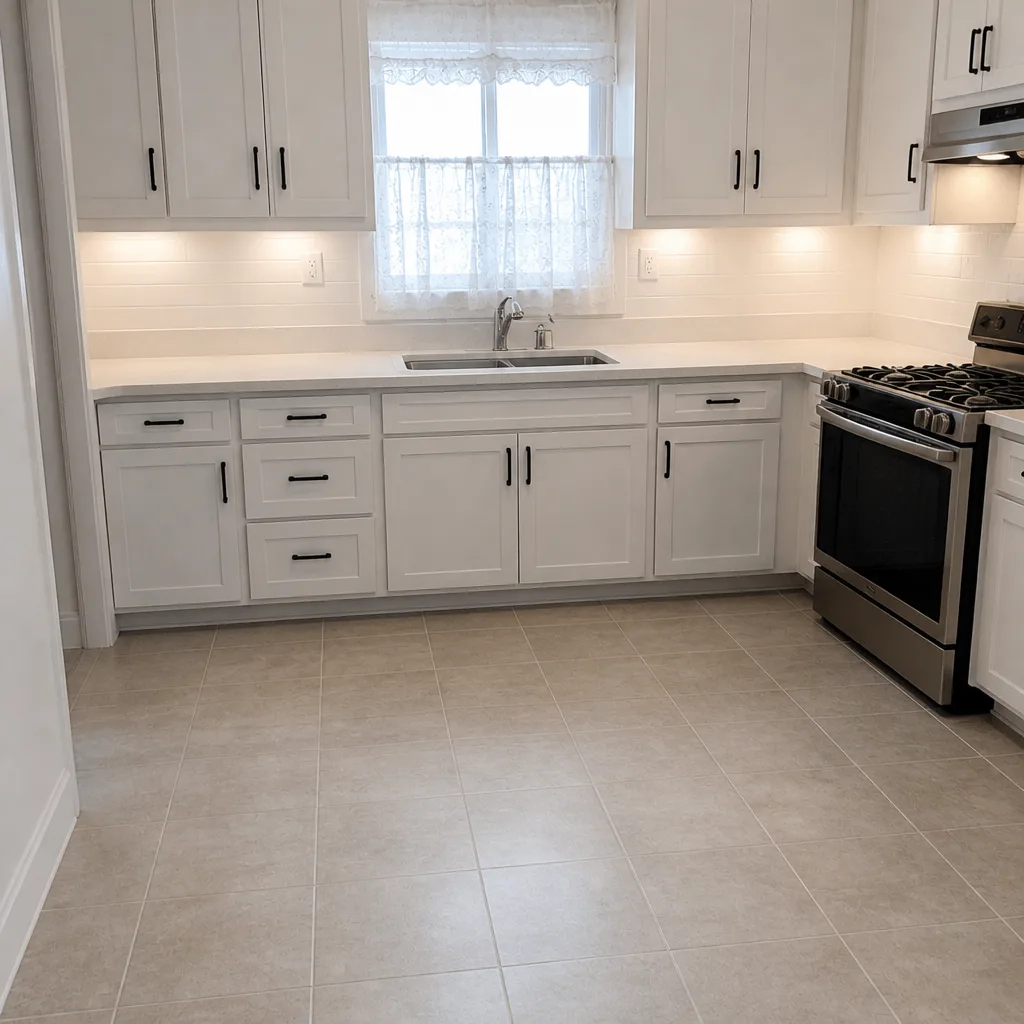
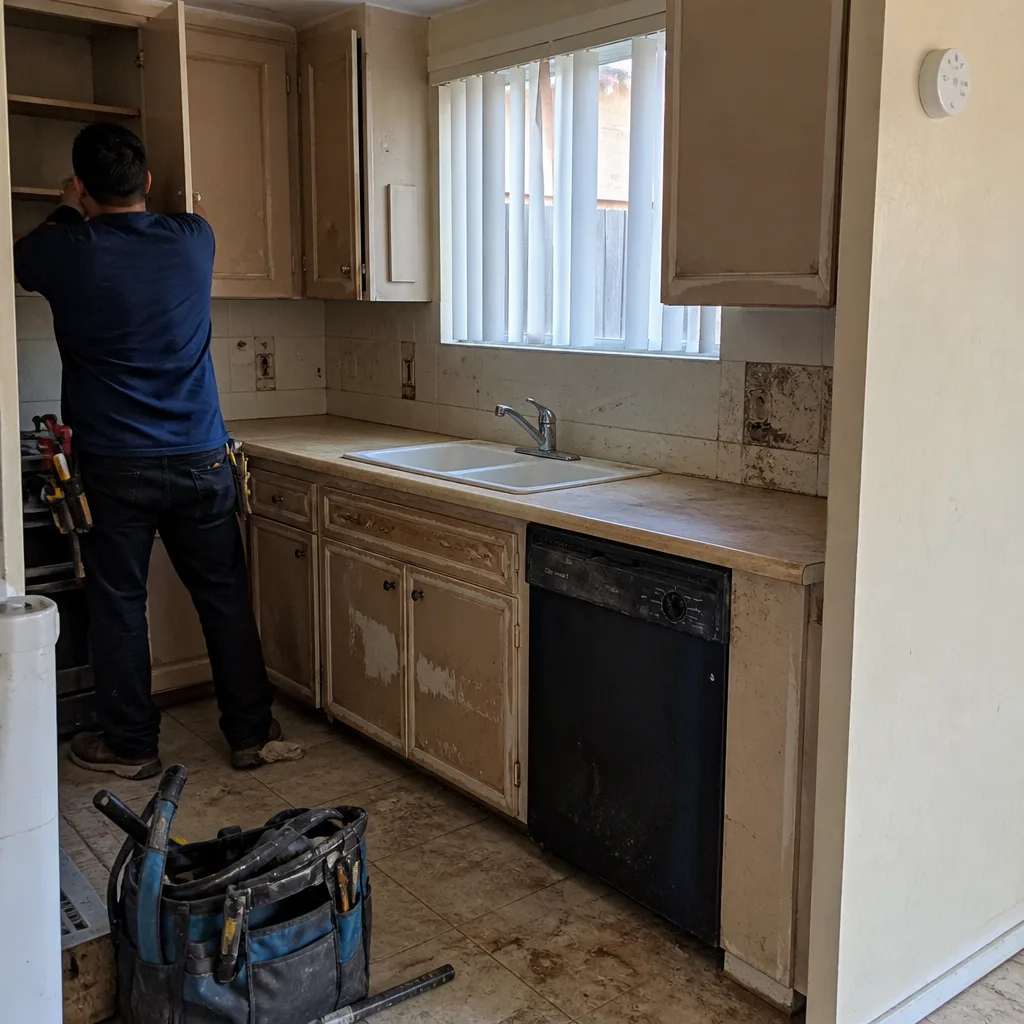
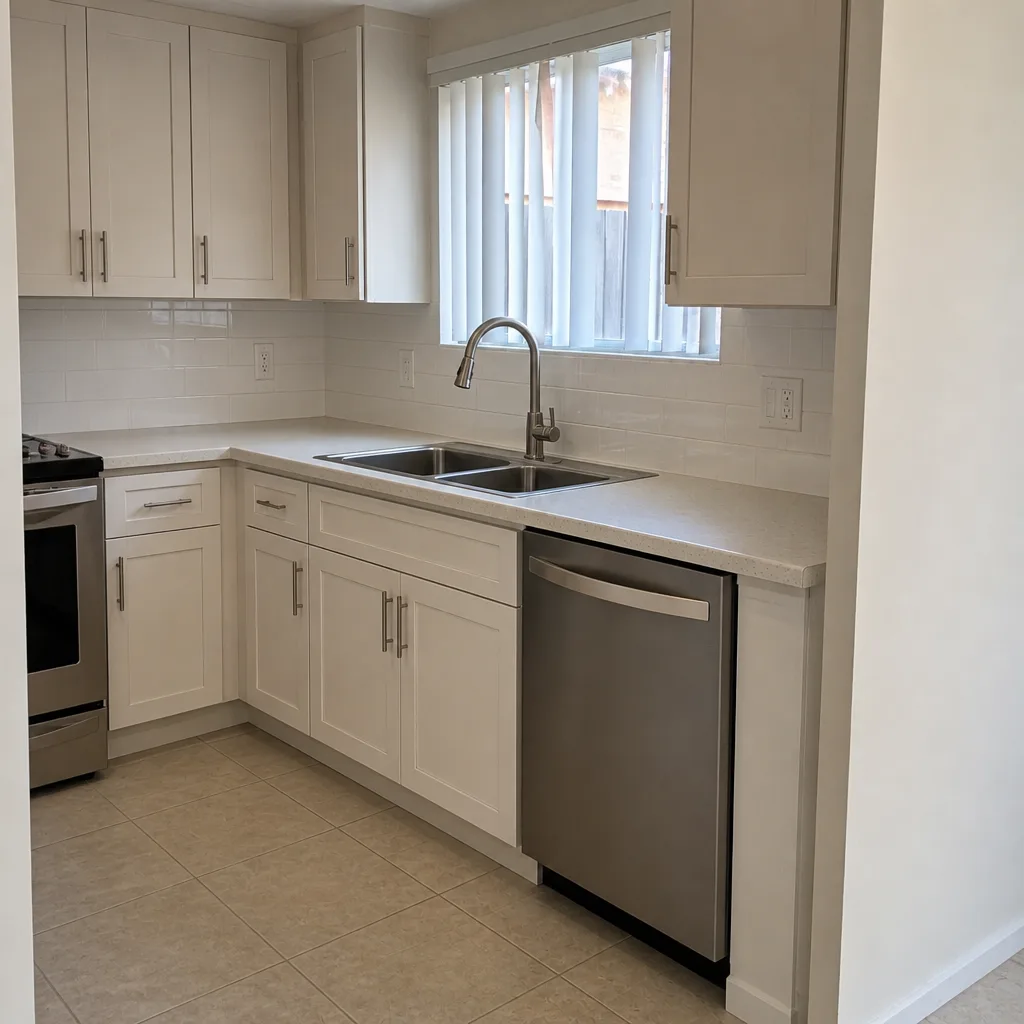
See the difference
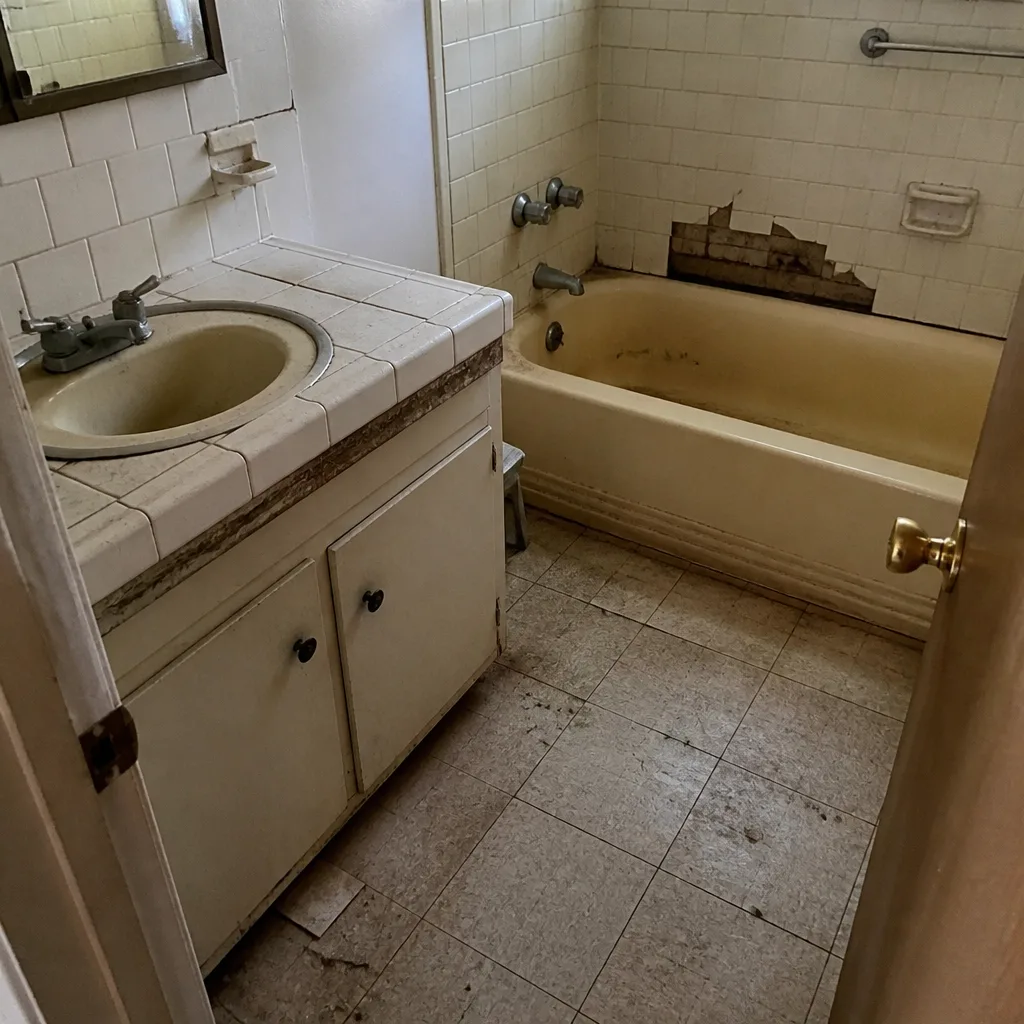 Before
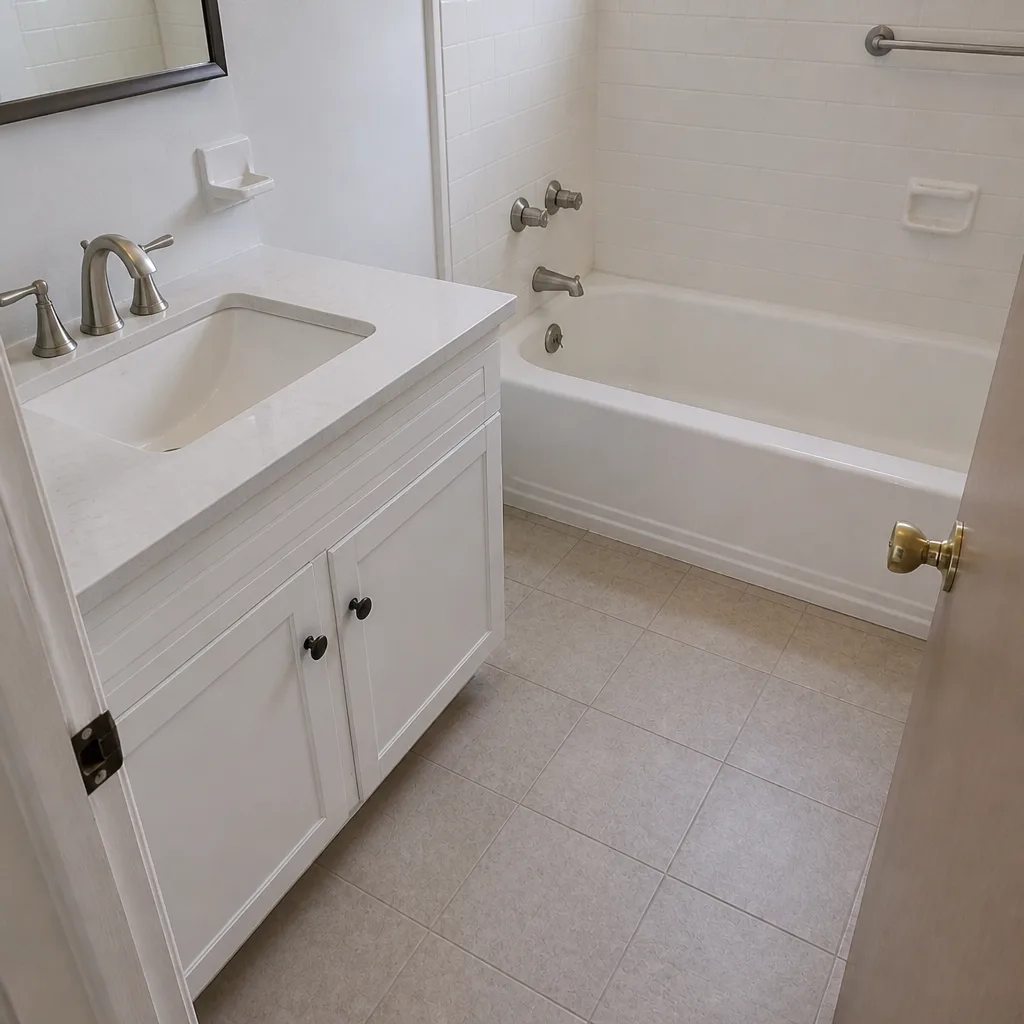 After
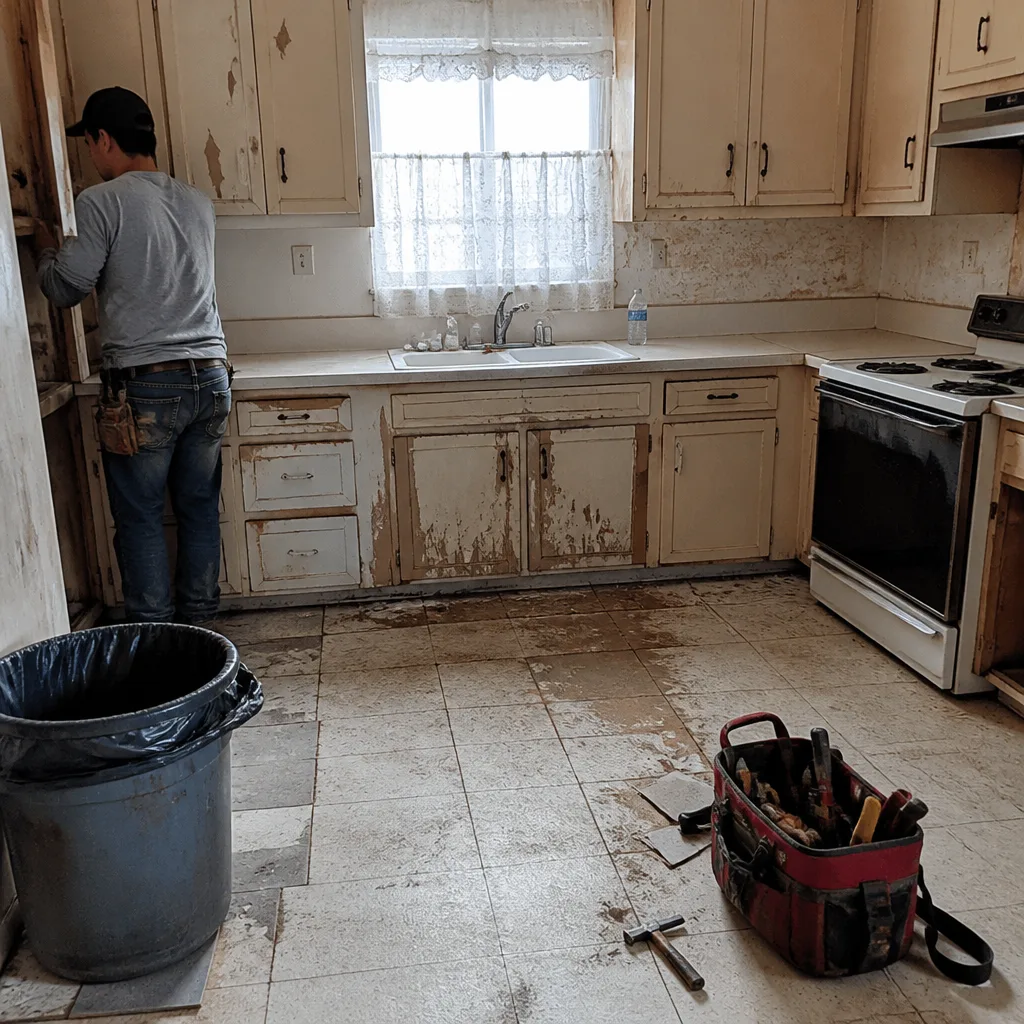 Before
 After
 Before
 After
When to Call a Professional
Some maintenance items belong on a homeowner’s calendar; others belong on a licensed trade’s. Call a professional when you see:
- Water staining or soft spots in drywall or on a ceiling (indicates a leak above, possibly inside a wall).
- Any smell of gas or burning, any warm breaker, or any outlet that feels loose or hot to the touch.
- Cracks wider than a credit card edge in the foundation or slab, or doors that have started to bind out of nowhere.
- Shower pan water that doesn’t drain within 20 minutes of use (indicates tile or membrane failure).
- A water heater over 10 years old with a leaking T&P valve or rust-colored water.
- Any roof flashing concern, especially after a wind event. UV and wind in this climate wreak havoc on shingle edges and flashing laps.
Bradford Remodeling Co Westminster offers free estimates in Westminster. Every estimate comes with a written price before any work starts, and every completed job carries the 365-Day Done Right Promise. If the work fails within that window, we come back and correct it at no charge. Call (833) 954-5086 to schedule your free estimate – a live person answers the phone, 24 hours a day, 7 days a week. Our technicians have up to 22 years of experience and are background-checked and uniformed on every job, so you know exactly who is walking through your door before the crew arrives.
Frequently Asked Questions

Every 12 months for ceramic or porcelain tile grout, and every 6 to 12 months on natural stone. In Westminster, the marine layer humidity means leaning toward the 6-month end for shower surfaces on the coastal-adjacent side of the city. Resealing is a homeowner-friendly task with a penetrating sealer, but wait 30 days after new installation before the first coat.
Often, yes. Most manufacturers of premium fixtures and materials (Grohe, Sterling, GAF, CertainTeed, James Hardie, Cambria, and others) list maintenance conditions in their warranty documentation. HVAC equipment warranties almost always require annual professional service. Caulk maintenance at wet locations is commonly treated as a homeowner obligation, so a waterproofing warranty denial after caulk failure is a real risk.
Caulk replacement, grout resealing, HVAC filter changes, detector testing, valve exercising, and water heater flushing are homeowner-safe. Electrical panel work, gas line connections, plumbing behind drywall, structural modifications, and anything requiring a permit should be handled by a licensed trade. Unpermitted work is a common claim denial trigger in this region; call (833) 954-5086 if you’re not sure which side a task falls on.
Shorter intervals on exterior paint, sealant, and wood staining by about 20 to 30 percent, and slightly shorter grout reseal cycles in bathrooms. UV exposure drives roof aging inland and on the coast alike, but marine humidity accelerates wear on exterior caulk and wood decking more on the western side of Westminster. Interior finishes see the difference mainly in room-level humidity, which a basic hygrometer will track.
A full annual maintenance visit (HVAC service, roof inspection, exterior sealant check, plumbing valve exercise) typically takes 2 to 4 hours depending on house size. The homeowner-side tasks (caulk inspection, filter change, detector testing, cabinet hardware check) run about 60 to 90 minutes if you walk the whole house with a checklist.
Yes. Annual cooling-side service is both best practice and, in most cases, a warranty condition. The heating side in Westminster runs cooler duty than inland, so every two years is often sufficient, but confirm against your equipment’s warranty document. Call (833) 954-5086 for a free estimate on any HVAC work that requires a permit or significant replacement.
The Bottom Line
A finished remodel is not a finished obligation. The interval on your grout, your caulk, your HVAC filter, your roof flashing, and your exterior sealant all came with the project, whether anyone wrote them down for you. Build the schedule, log the tasks, keep the binder, and call a licensed trade for anything behind a wall or inside a panel. Bradford Remodeling Co Westminster is a member of the Garrison Partners family, established in 2004 and independently owned and operated to The Garrison Standard. Call (833) 954-5086 for a free estimate with a written price before any work starts.
Written by the team at Bradford Remodeling Co Westminster.
Related guides from Bradford Remodeling Co Westminster: Bradford Remodeling Co Westminster home | General Contractor in Westminster | Kitchen Remodeling in Westminster | Bathroom Remodeling in Westminster.