Last updated November 17, 2026



Free written scope consultation - allowances, timeline, and change-order rules on paper before a single trade is scheduled
How Long Does Home Remodeling Take? Timelines and What to Expect
The national average kitchen remodel takes 6 – 8 weeks on paper. In Southern California, permit review alone averages 3 – 5 weeks, and most remodelers quote you the build time without ever mentioning the permit queue. That gap between the paper schedule and the real one is where homeowners lose months and money. In Westminster, we’ve watched projects stall for reasons that had nothing to do with the crew and everything to do with a schedule that was never built to survive contact with the city, the material yard, or the calendar. This guide maps where the time actually goes, phase by phase, so you can audit a contractor’s schedule before you sign anything.
Quick Answer
A straightforward bathroom remodel in Westminster usually runs 3 – 5 weeks of build time. A kitchen runs 6 – 10 weeks, and a whole-home remodel runs 4 – 8 months. Add design and scope (2 – 6 weeks), permit review (3 – 5 weeks in Orange County), and material procurement (4 – 12 weeks for custom items), and the realistic calendar is roughly double what the build phase alone suggests. The build is the shortest part. The waiting is the long part.
Styles & brands we work with
- Kitchen remodeling
- Bathroom remodeling
- Home additions & ADU
- Roofing
- Windows & doors
- Driveway & pavers
- Fence
Table of Contents
- The Four Phases of a Remodel (and Where the Time Really Goes)
- How Orange County Permit Review Affects Your Start Date
- Why Materials Must Be Ordered Before Demo Day
- Realistic Timelines by Project Type
- Three Contractor Behaviors That Signal a Padded Schedule
- What a Written Schedule With Milestones Looks Like
- Westminster Weather and Seasonal Timing
- Common Mistakes to Avoid
- When to Call a Professional
- Frequently Asked Questions
The Four Phases of a Remodel (and Where the Time Really Goes)
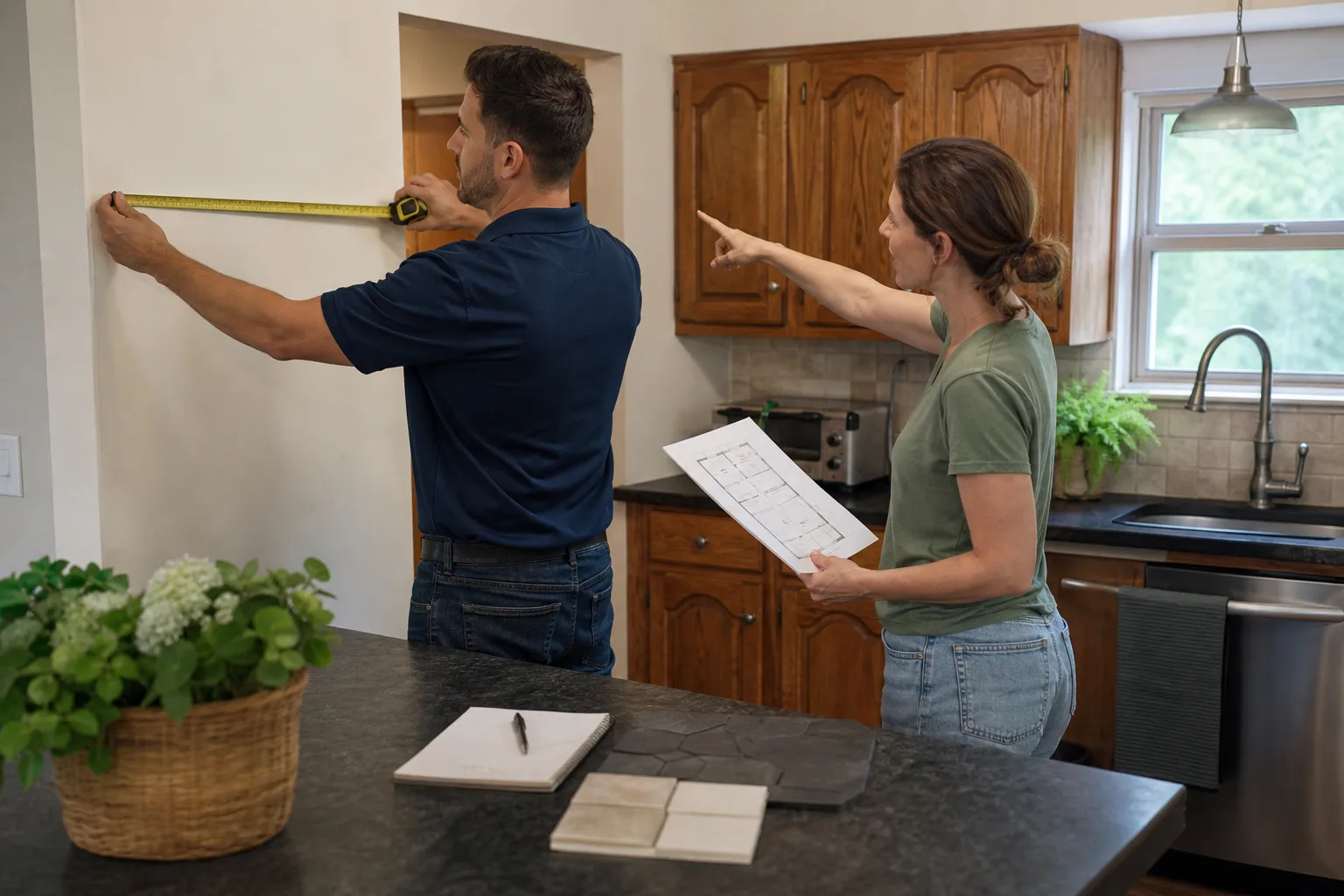
Every remodel, whether it’s a powder room refresh or a full gut of a 1960s ranch house off Beach Boulevard, moves through four distinct phases. Most contractors only quote the last one. That’s not a lie, exactly, but it’s an incomplete answer, and it’s why so many homeowners feel blindsided when week three arrives and nothing has been demolished yet.
Phase 1: Design and scope (2 – 6 weeks). This is where you and the contractor agree on what’s actually being built. Cabinets get selected (KraftMaid or Wellborn, at whatever door style and finish), surfaces get picked (Cambria or Caesarstone), and the fixture list gets locked. A scope without a fixed fixture list is not a scope; it’s a wish. Expect this phase to take longer if you’re changing the layout, because layout changes trigger engineering and a longer permit review.
Phase 2: Permits (3 – 5 weeks in Orange County). Westminster requires permits for structural work, electrical, plumbing, and mechanical changes. Cosmetic-only work (paint, flooring, cabinet refacing without electrical or plumbing moves) usually doesn’t. The city’s plan review process has two tracks, and we cover both below.
Phase 3: Procurement (4 – 12 weeks). Custom cabinets routinely run 8 – 12 weeks. Custom windows run 6 – 10 weeks. Tile from a specialty supplier can run 3 – 6 weeks. These have to be ordered before demo, not after. More on that below.
Phase 4: Build (3 weeks to 6 months). This is what everyone pictures: demo, framing, rough-in, drywall, finish. It’s also the phase most contractors quote, because it’s the one they control. The other three phases they either can’t control or don’t want to explain. A schedule that only addresses Phase 4 isn’t a schedule. It’s a sales number.
How Orange County Permit Review Affects Your Start Date
Westminster’s building department, like most in Orange County, runs permits through one of two review paths, and knowing which one your project lands in tells you how long you’ll be waiting.
Over-the-counter (OTC) permits are reviewed while you wait, usually at the counter or in a short same-day window. They’re reserved for simple, prescriptive work: replacing a water heater in the same location, swapping a like-for-like window, re-roofing with the same materials. OTC turnaround is typically a few days. If your contractor tells you “we’ll grab the permit and start Monday,” ask which path the project is on. If the answer is OTC, the scope is probably smaller than you think, or they’re planning to work without the right permit.
Plan check is the full review track. Anything structural, anything that moves plumbing or electrical in a meaningful way, anything with a new footprint or a load-bearing change goes through plan check. In Orange County, plan check averages 3 – 5 weeks, and that’s for a clean submittal. A submittal that comes back with corrections adds a second round, and each round can add 2 – 3 weeks.
Here in Westminster, the practical effect is this: if you sign a contract in early March and the project needs plan check, you’re not breaking ground until mid-to-late April at the earliest. A contractor who quotes a start date of “next week” either hasn’t checked, or is planning to start work before the permit is issued, which puts the risk on you. Ask for the permit number before demo begins. It should exist.
Why Materials Must Be Ordered Before Demo Day
This is the single most expensive scheduling mistake we see: the crew demos the kitchen, and then someone orders the cabinets. Now the house has no kitchen, no counter, and a family eating out of a cooler for two months while the cabinet shop builds and ships.
The order of operations that actually works:
- Lock the fixture and cabinet list during design. Not “we’ll pick a faucet later.” Pick it. A Delta or Blanco kitchen faucet, a Toto or American Standard toilet, a specific Cambria quartz slab. Every undecided item is a schedule risk.
- Order long-lead items at contract signing, not at demo. Custom cabinets (8 – 12 weeks), custom windows (6 – 10), specialty tile (3 – 6). These are the items that move your finish date.
- Confirm in-stock status on short-lead items. Standard cabinet lines, stock doors, and big-box plumbing fixtures ship fast, but “in stock” today is not “in stock” in six weeks when you actually need it.
- Take delivery and inspect before demo. Damaged counter slabs and dinged cabinet boxes discovered at install are the worst possible timing. Inspect on arrival, while the old kitchen still works.
- Schedule demo only when the materials are on site or confirmed in transit. The demo date is the point of no return. Don’t cross it early.
This is why a by-the-book schedule front-loads procurement. The cabinets are ordered before the first hammer swings. That’s not slow; that’s what keeps the build phase from eating its own tail.
Realistic Timelines by Project Type
Here’s the honest breakdown for a typical Westminster home, where the walls are straight and the surprises are modest. Older housing stock in neighborhoods near Westminster Boulevard and Little Saigon can add time for knob-and-tube wiring, galvanized plumbing, or a foundation surprise, so treat these as baselines, not promises.
- Bathroom remodel (single bath, no layout change): design 2 – 3 weeks, permit 2 – 3 weeks (often OTC for cosmetic, plan check for layout changes), procurement 3 – 6 weeks, build 3 – 5 weeks. Total: 10 – 17 weeks.
- Kitchen remodel (cabinet and counter replacement, no layout change): design 3 – 5 weeks, permit 3 – 5 weeks, procurement 8 – 12 weeks (cabinets drive this), build 6 – 10 weeks. Total: 20 – 32 weeks.
- Kitchen remodel with layout change (moved sink, new island): add 2 – 4 weeks to permit review and 1 – 2 weeks to build for the extra rough-in.
- Whole-home remodel: design 6 – 10 weeks, permit 4 – 8 weeks, procurement 8 – 12 weeks, build 4 – 8 months. Total: 8 – 14 months.
- Room addition: design and engineering 6 – 12 weeks, plan check 6 – 10 weeks, procurement 6 – 10 weeks, build 4 – 6 months. Total: 9 – 15 months.
The kitchen numbers surprise people. A kitchen takes longer than a bathroom not because the build is harder but because the cabinet lead time and the plan check queue stack up in front of it. If you’re planning a kitchen remodeling in Westminster, start the clock four to six months before the finish date you actually want.
Three Contractor Behaviors That Signal a Padded Schedule
A schedule padded for the contractor’s convenience looks almost identical to an honest one, until you read the fine print. Here’s what to watch for.
1. No milestone dates, only a total duration. “Six to eight weeks” is not a schedule. It’s a range with no accountability. A real schedule names dates: demo complete by March 14, rough-in inspection passed by March 21, cabinets delivered by April 4. If the contract says “approximately six weeks,” there’s nothing to enforce when week nine arrives and the project is half done.
2. The start date keeps moving while the contract holds. A contractor who takes a deposit and then pushes the start date three times, each time “just a couple weeks out,” is working other jobs ahead of yours. They’re not respecting your timeline; they’re using it as a buffer. Ask on day one: which other jobs are running the same week as my start date, and what happens to my date if one of them runs long?
3. Change orders treated as a scheduling tool. A change order that the contractor proposed, not you, and that happens to extend the timeline by two weeks, is often a way to buy labor flexibility at your expense. Written change orders are legitimate and necessary when the scope genuinely changes. They become a problem when they appear as a pattern. Ask what triggers a change order and who signs it.
The tell across all three is a shortage of specifics. When the schedule is padded, the language gets vague. When it’s disciplined, the language gets numbered. If you’re vetting a crew for a bathroom remodeling in Westminster, the same questions apply: give me the dates, not the range.
What a Written Schedule With Milestones Looks Like
A written schedule you can actually hold a contractor to has five things in it. If yours is missing any of them, the schedule isn’t a schedule, it’s a suggestion.
- Named phases with dates: design sign-off, permit submitted, permit issued, materials ordered, materials on site, demo start, rough-in complete, inspections passed, finishes installed, final walkthrough.
- Dependencies spelled out: “cabinet install cannot start until counter template is taken, which cannot happen until cabinets are set, which cannot happen until drywall is painted.” When one link breaks, you can see exactly what it costs.
- Inspection dates: rough-in electrical, plumbing, and framing inspections have their own dates on the schedule, because a failed inspection can add a week on its own.
- Owner decisions with deadlines: “fixture finalization due by April 2.” These are your responsibility, and the schedule should say so plainly. If you miss a decision deadline, the project shifts, and the schedule should say that too, so nobody is surprised.
- A response window for change orders: a written number of days for the contractor to price a change and for you to approve it, so mid-project decisions don’t stall the crew.
This is the discipline behind The Garrison Standard: every Bradford project starts with a written price before work begins, and a written schedule with milestone checkpoints is part of what gets handed over before the first tool comes out. A contract without milestone dates is technically enforceable for the total price, but practically unenforceable on the timeline. The day a project goes late, the homeowner with dated milestones has leverage and the homeowner with a duration range has a phone argument.
Westminster Weather and Seasonal Timing
Westminster’s climate is mild enough that most indoor remodeling runs year-round, but there are three real seasonal effects worth knowing.
Exterior work and the marine layer. Roofing, siding, and exterior paint in Westminster compete with the May-through-August morning marine layer, which can keep surfaces damp well into the day. James Hardie siding installations and exterior paint schedules should build in drying windows. If your project is an exterior job, ask specifically how the crew handles the morning damp.
Summer permitting slowdowns. Orange County permit offices get busier in late spring and summer as homeowners try to start projects before the school year. Plan check submittals in June and July can run a week or two longer than the 3 – 5 week average.
The holiday cliff. From mid-November through the first week of January, trades get scarce. Cabinet installers, tile setters, and finishers book out, and a project that would take eight weeks in September can take ten in December. If your finish date has a holiday in it, add two weeks to the plan.
There’s no bad season to remodel in Westminster. There are just seasons that require a schedule built for them.
Common Mistakes to Avoid
- Quoting only the build time in the head. Build time is often less than half the calendar. Budget the design, permit, and procurement phases alongside it, or your finish date will always feel like a surprise.
- Ordering finishes after demo. This is the single biggest cause of stalled projects we see in Westminster. Cabinets, windows, and tile should be ordered at signing, not after the first wall comes down.
- Assuming cosmetic work needs a permit. It often doesn’t. Assuming everything needs a permit can add weeks; assuming nothing does can get you red-tagged. Ask specifically which items on your scope trigger plan check.
- Picking a contractor on total duration. A contractor who says “four weeks” and a contractor who says “eight weeks” are telling you two different things, and the faster number is often the one missing the permit line. Ask what’s included in the duration.
- Signing a contract with no milestone dates. See above. Milestones are how you enforce a timeline. Without them, the only thing you can enforce is the price.
- Naming a single finish late in the project. One delayed decision (a backsplash, a faucet, a paint color) can stall the entire crew for a week. Decide all finishes during design.
- Ignoring the pre-1978 lead paint question. Westminster has a lot of homes built in the 1950s and 1960s. If your home was built before 1978, federal rules require lead-safe work practices on any job that disturbs paint, and that adds time and cost to the plan. Ask about it early.
See the difference
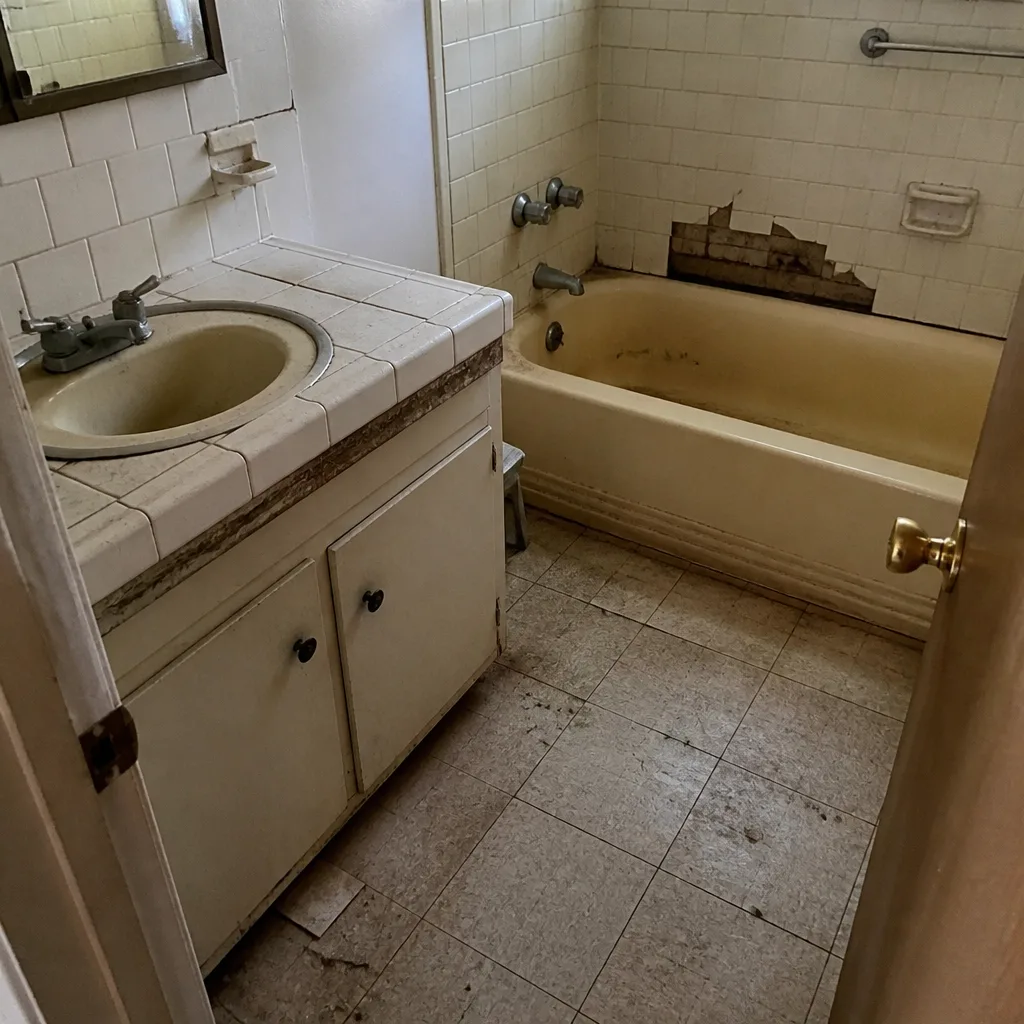 Before
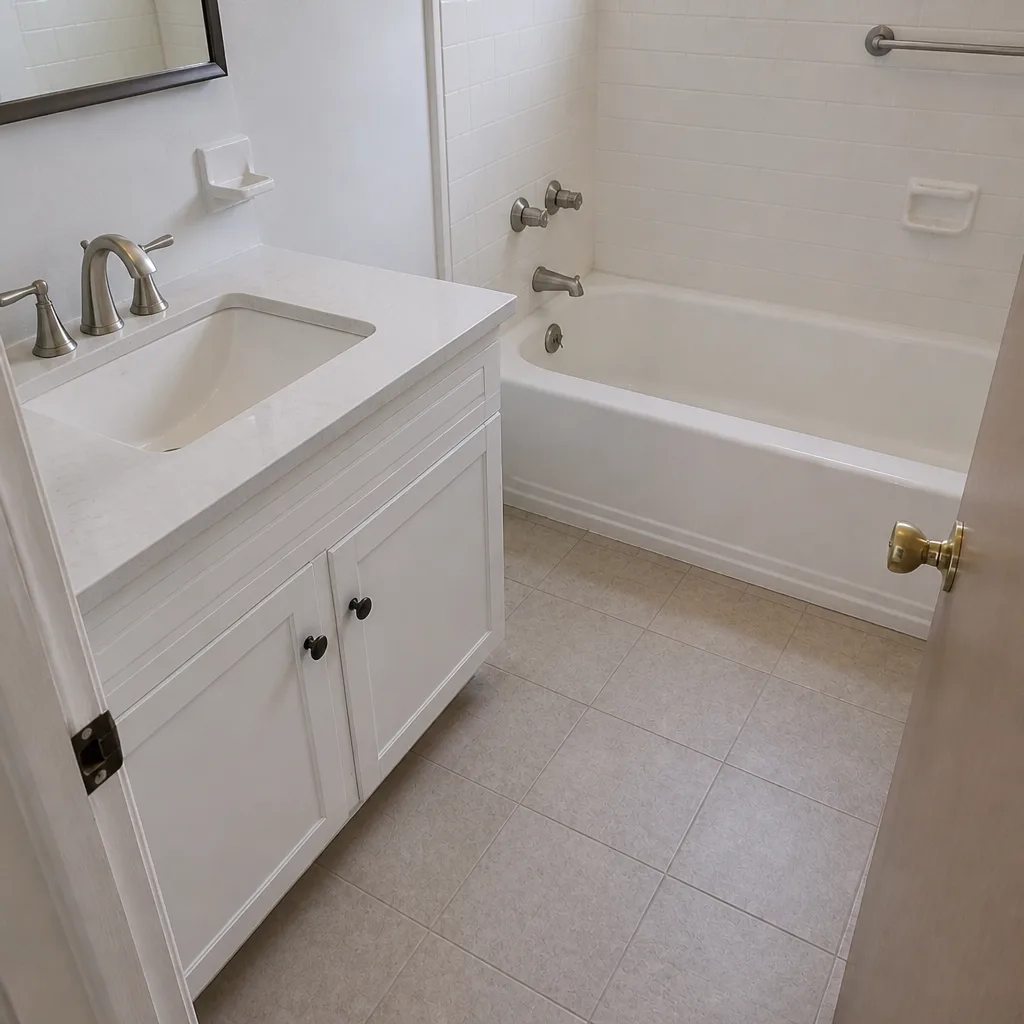 After
 Before
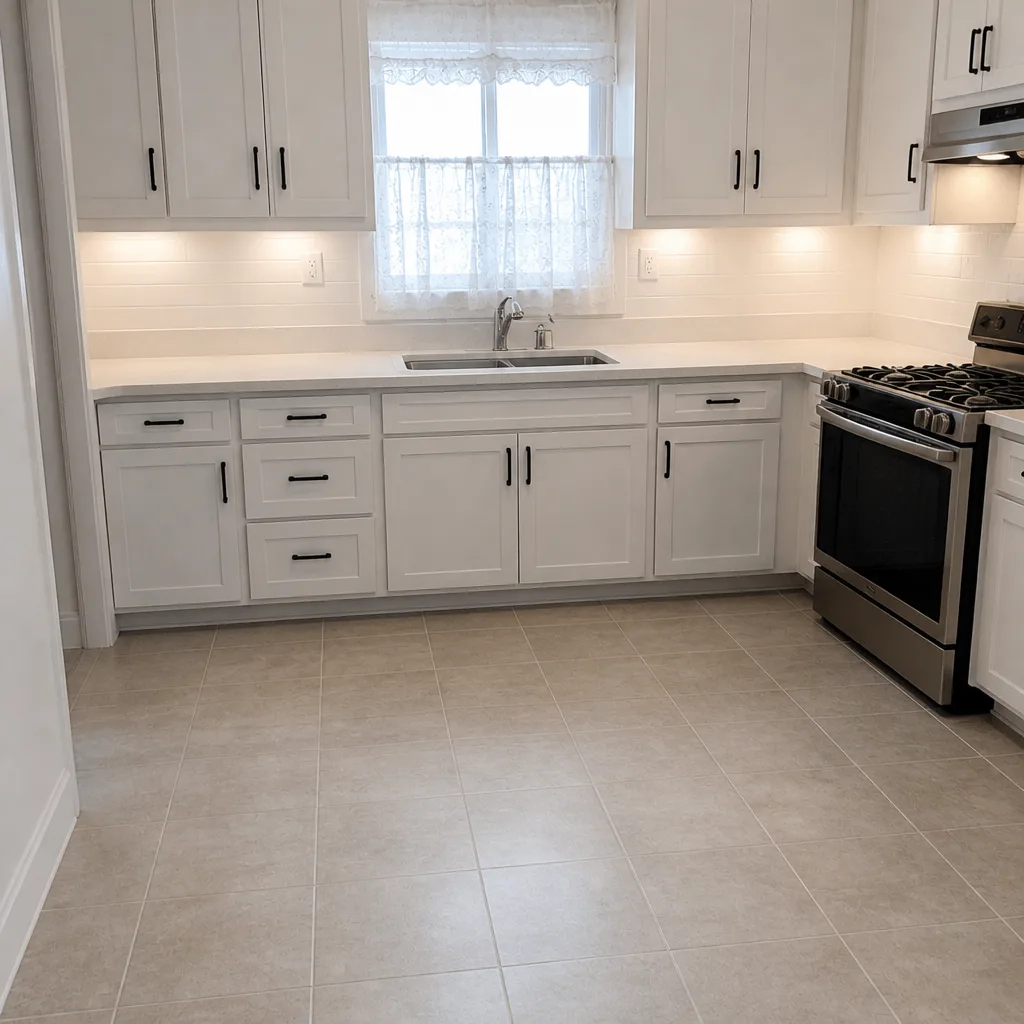 After
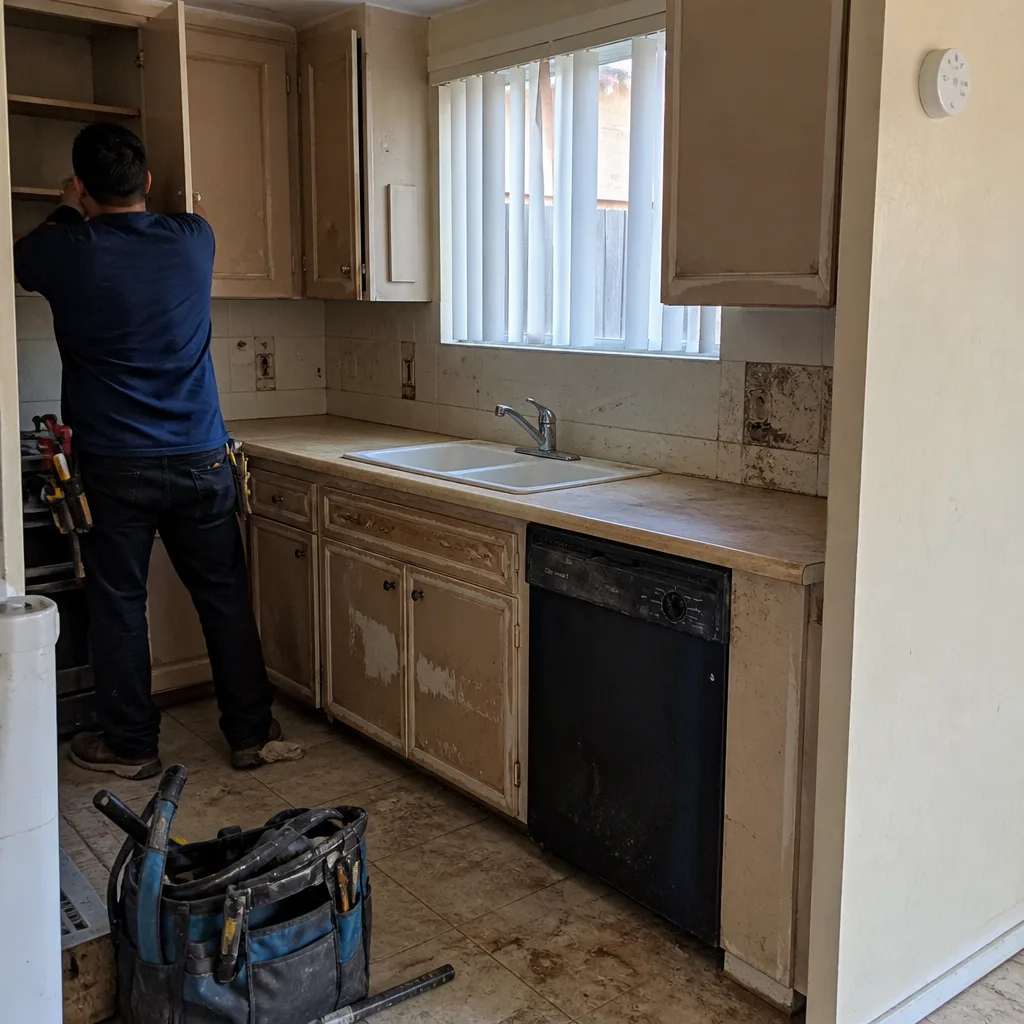 Before
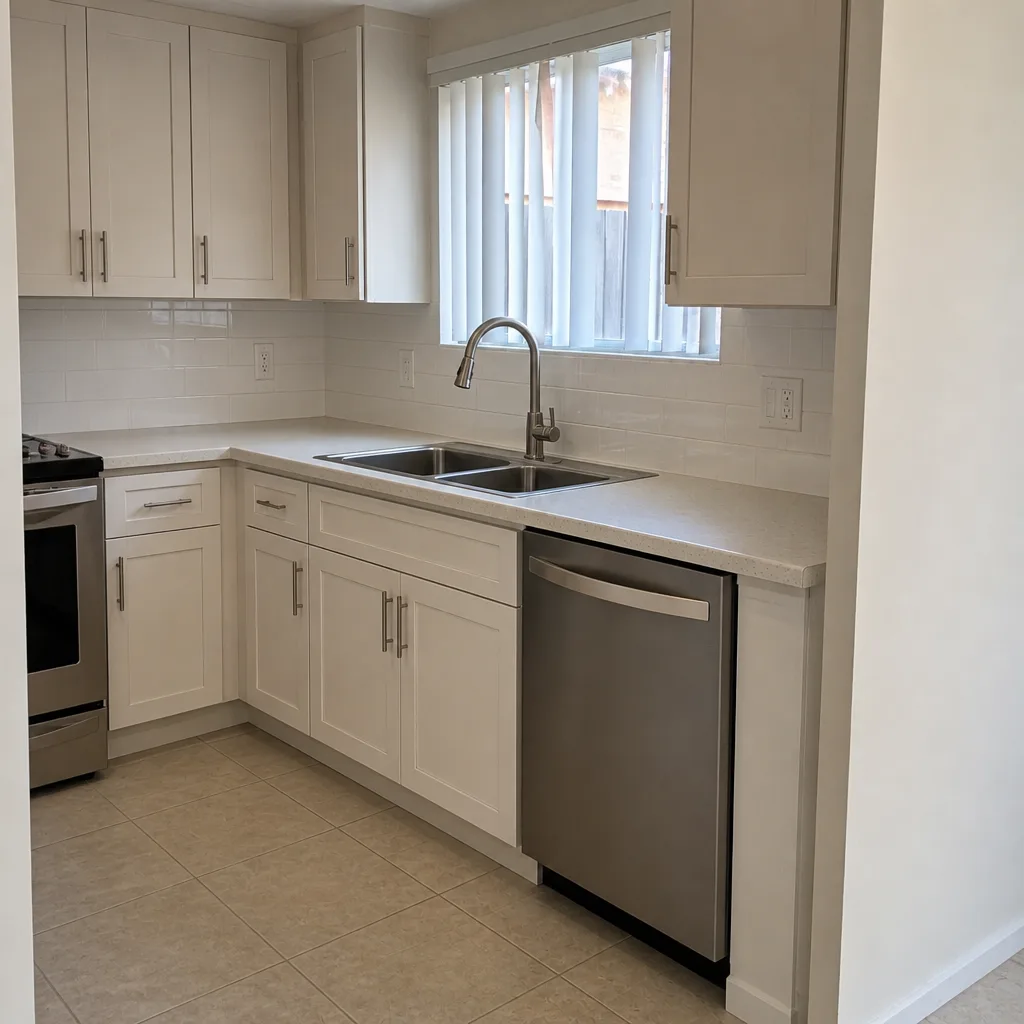 After
When to Call a Professional
Call a professional when the work involves moving walls, plumbing, or electrical, and especially when it involves anything load-bearing. Those are the jobs where a permit, a plan check, and a licensed contractor aren’t optional, and where a schedule is the difference between a usable kitchen in March and a gutted one in June. Call a pro if you’re not sure whether your scope triggers plan check; the answer changes the whole timeline. Call if your home predates 1978 and the project will disturb old paint. Call if you need a whole-home remodel where dependency chains get long enough that one slipped milestone cascades into three. And call if you want a written price and a dated schedule before you commit, which is a reasonable thing to want.
Bradford Remodeling Co Westminster offers free estimates in Westminster and surrounding areas, with a written price before work begins and a documented plan for the full schedule. Call (833) 954-5086 to schedule yours.
Frequently Asked Questions

A typical Westminster bathroom runs 10 – 17 weeks start to finish, a kitchen runs 20 – 32 weeks, and a whole-home remodel runs 8 – 14 months. The build phase is only part of that. Design, permit review through Orange County, and material procurement account for the rest, and in most projects they account for more than the build does. Call (833) 954-5086 for a written schedule specific to your scope.
It depends on what you’re changing. Cabinet and counter replacement with no plumbing or electrical moves usually doesn’t require plan check. Moving a sink, adding a circuit for a new range, relocating a gas line, or changing a load-bearing wall does. If your contractor can’t tell you which items on your scope trigger a permit, ask them to list them in writing before you sign. The write-up should be specific.
In our experience, the most common reason is that the original quote measured only the build phase and left out permit review and material lead time. The second most common is that a long-lead item (custom cabinets, custom windows, specialty tile) was ordered after demo instead of at signing. The third is an undecided finish that stalled the crew mid-project. Each of these is a scheduling failure, not a construction failure, and each is preventable.
Over-the-counter permits for simple, prescriptive work typically take a few days. Full plan check averages 3 – 5 weeks for a clean submittal, and each correction round can add 2 – 3 weeks. Summer months and the late-November through early-January holiday window run longer. Ask your contractor which review path your project is on and whether corrections are likely based on the scope.
Yes, for most kitchen remodels, but plan for it. Set up a temporary kitchen with a microwave, mini-fridge, and a sink somewhere else in the house. Expect dust control (plastic sheeting and zip doors), a few days when the water or power is off for rough-in, and eating out more than usual. Some homeowners plan a short stay elsewhere during demo week, which is often the messiest phase. The build phase is usually the loudest and messiest window, so plan around it.
For interior work, late winter and early spring often get you through the permit queue before the summer busy season, and finish before the holiday trade slowdown. For exterior work (roofing, siding, exterior paint), spring and early fall give you better drying windows around the Westminster marine layer. There’s no bad month to start an indoor remodel, but the calendar matters more than most homeowners realize. Call (833) 954-5086 and we’ll walk you through the timing for your project.
The Bottom Line
Remodel timelines are broken by four predictable failure points, and every one of them happens before demo day. Design drags when finishes stay undecided. Permits run long when the project needs plan check and nobody said so. Procurement stalls when cabinets are ordered after the walls come down. And schedules get padded when the contractor has no milestone dates to be held to. A written schedule with dated checkpoints is the only real defense. Read the schedule before you sign the contract. If it has dates, named phases, and inspection milestones, you’re working with a crew that’s squared away. If it has only a duration, you’re the buffer. For homeowners in Westminster ready to ask the specific questions and get a written price and dated schedule, Bradford Remodeling Co Westminster is available at (833) 954-5086. Every Bradford project carries the 365-Day Done Right Promise: if the work doesn’t hold within a year, we come back and correct it at no charge. Start with a free estimate and a written plan. The Bradford Remodeling Co Westminster home page has more on how the process works, and our General Contractor in Westminster page covers the permit and plan check process in more detail.
Written by the team at Bradford Remodeling Co Westminster.