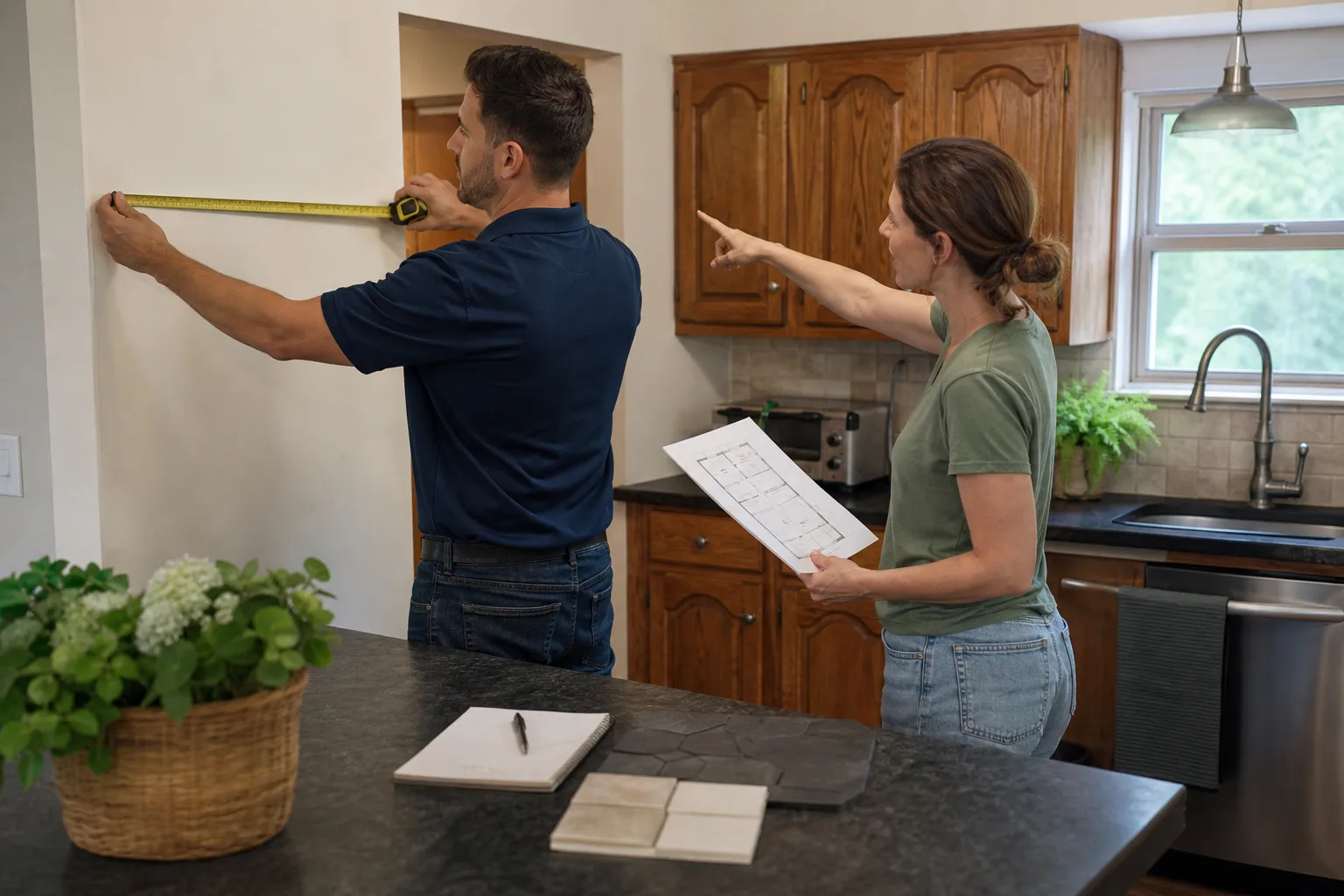
Last updated November 17, 2026







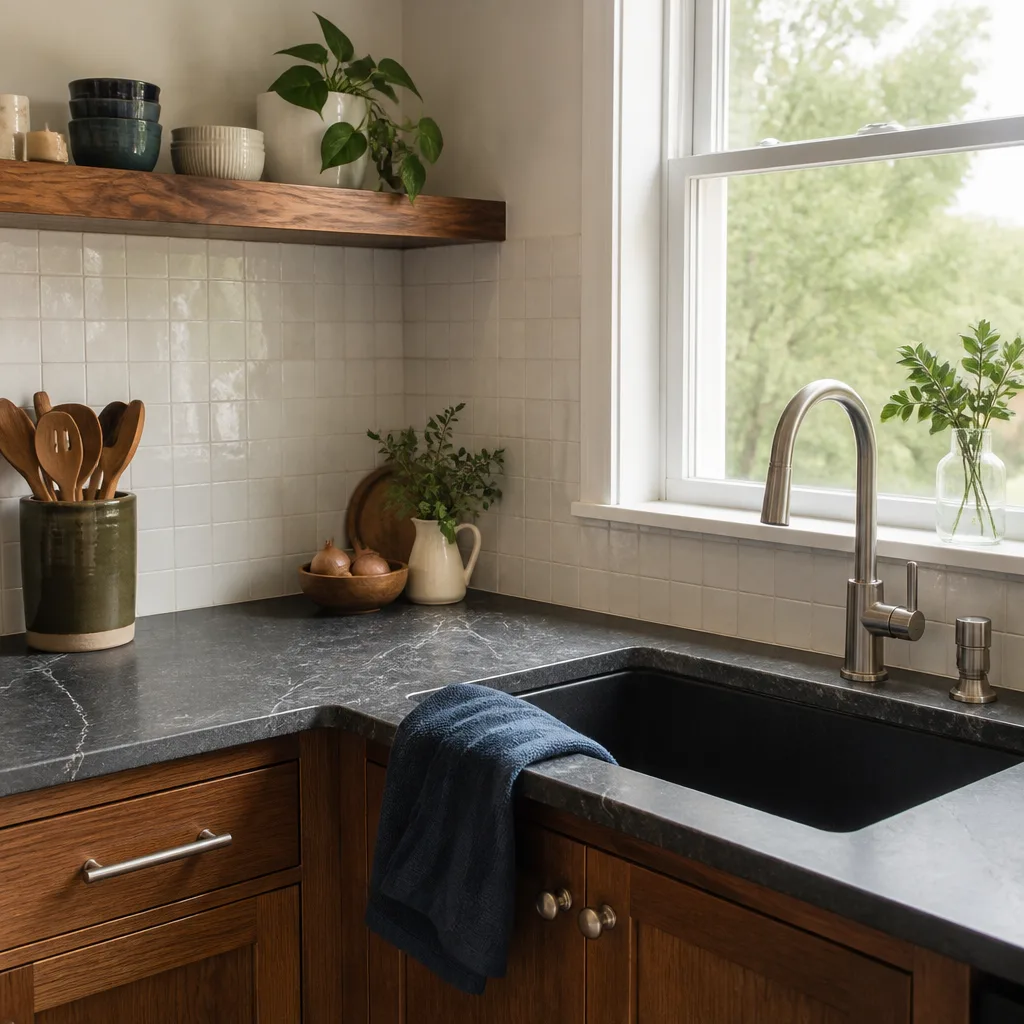
Free written scope consultation - allowances, timeline, and change-order rules on paper before a single trade is scheduled
How to Hire a Construction Contractor in Westminster: A Step-by-Step Guide
The California Contractors State License Board logged more than 18,000 complaints in a recent year, and the pattern that showed up most often wasn’t outright fraud. It was a written contract that left scope undefined, which gave the contractor legal cover to charge more mid-job. In a Westminster housing stock split between 1950s tract homes near Midway City and newer builds off Beach Boulevard, that gap between what’s written and what’s built is where budgets go to die. This guide replaces “get three bids and check reviews” with a documented screening process: license verification, bid reading, the five contract clauses that matter, permit verification, and the subcontractor red flags specific to Orange County.
Quick Answer
To hire a construction contractor in Westminster, verify their CSLB license and workers’ comp coverage in under ten minutes, read every bid line-by-line for missing scope, require five specific clauses in the written contract (fixed scope, change-order threshold, lien waivers, inspection hold points, warranty terms), and confirm the permit was pulled in your name through the city portal before any work starts. A legitimate contractor gives you a written price before work begins and never asks for more than 10% down.
Styles & brands we work with
- Kitchen remodeling
- Bathroom remodeling
- Home additions & ADU
- Roofing
- Windows & doors
- Driveway & pavers
- Fence
Table of Contents
- Step 1: Verify the CSLB License, Judgments, and Workers’ Comp in Ten Minutes
- Step 2: Read Bids Line-by-Line (and Why the Lowest Bid Is the Riskiest)
- Step 3: The Five Contract Clauses You Must Have in Writing
- Step 4: Verify the Permit Was Pulled in Your Name
- Step 5: Screen the Subcontractor List
- Step 6: Get the Down Payment Right
- Orange County Red Flags Specific to Westminster
- What “Squared Away” Looks Like at Job Close
Step 1: Verify the CSLB License, Judgments, and Workers’ Comp in Ten Minutes
Start with the California Contractors State License Board’s online license lookup at cslb.ca.gov. If a contractor can’t produce an active license number on request, you’re done – thank them and move on. Every general contractor doing work over $500 in California must hold a license, and that number is public record, not a favor they do you.
Here’s the ten-minute verification sequence:
- Search the license number on the CSLB site. Confirm the status is “Active” and the classification matches your job (B for general building, C-39 for roofing, C-36 for plumbing, etc.).
- Check the expiration date. An expired license is the same as no license – no legal recourse through the CSLB if the work fails.
- Look for active judgments or arbitration awards in the “Complaints” section. A single judgment from 2019 might be a bad subcontractor. Three from the last two years is a pattern.
- Confirm workers’ comp coverage. The CSLB record lists the insurance carrier and policy status. If the contractor has employees and no workers’ comp, you can be liable for an injury on your property.
- Verify the business name and address match the bid and contract exactly. Bait-and-switch happens when the bid is from “Smith Construction” and the license belongs to “Smith Home Improvements LLC.”
Westminster homeowners we work with often skip step four. Don’t. A contractor with uninsured helpers on a kitchen gut in a Westminster tract home is one ladder fall away from a claim against your homeowner’s policy. The CSLB lookup shows this in the same record as everything else – no phone calls required.
Step 2: Read Bids Line-by-Line (and Why the Lowest Bid Is the Riskiest)
A bid that comes in 30% under the others isn’t a deal – it’s a scope gap waiting to be closed with a change order. In our experience, the lowest bid on a Westminster kitchen or bath is almost always missing one of four line items: permit fees, demolition and haul-away, substrate repair, or finish materials. Once you sign, those become change orders priced at the contractor’s discretion.
Here’s what to look for when you read the bid:
- Permit fees listed separately. If they’re not in the bid, ask who pays. The answer should be in writing.
- Demolition and dumpster cost named as a line item. “Demo included” is not a number.
- Substrate line. For a bathroom, this is the cement board or waterproofing membrane under the tile. For a kitchen, it’s the cabinet backing and wall prep. Missing substrate is the most common source of mid-job surprise charges in older Westminster homes.
- Brand and model numbers, not just “premium cabinets” or “name-brand fixtures.” A bid that says KraftMaid vs. “quality cabinetry” tells you whether the contractor is quoting a real product or a placeholder.
- Finish materials allowance. A $2,000 tile allowance on a $30,000 bathroom looks fine until you pick tile and find out the allowance covers a fraction of what you want.
- Cleanup and final walkthrough spelled out. If it’s not in the bid, it’s not in the job.
- Warranty terms. “Backed by our warranty” is word salad. A specific duration and what’s covered is a contract term.
Put two bids side-by-side and mark every line item that appears in one and not the other. Those gaps are what you’ll be negotiating later if you don’t settle them now. A contractor who won’t provide line-item detail is telling you something – believe it.
Step 3: The Five Contract Clauses You Must Have in Writing
The single most common complaint pattern at the CSLB isn’t a contractor who ran off with a deposit. It’s a signed contract that left scope undefined, letting the contractor charge more mid-job with legal cover. Here are the five clauses that close that gap, and they belong in writing before anyone picks up a hammer:
- Fixed scope of work. Every product, finish, and task spelled out by brand, model, and quantity where applicable. “As discussed” is not a scope.
- Change-order authorization threshold. Any change over $500 (or your chosen number) requires your signed approval before the work proceeds. Without this, verbal “we need to add” conversations become invoices.
- Lien waiver schedule. Materials suppliers and subcontractors can file a mechanic’s lien against your property if they aren’t paid by the general contractor. A conditional lien waiver at each payment milestone protects you from paying twice.
- Inspection hold points. The contract should specify that rough-in (framing, electrical, plumbing) is inspected and signed off before drywall goes up. Once drywall is on, fixing rough-in problems gets expensive fast.
- Written warranty terms. The specific length, what’s covered, and the process for a claim. “We stand behind our work” isn’t a warranty. A 365-Day Done Right Promise with written terms is.
Ask the contractor to point out where each of those five appears in the draft. If any are missing, request they be added. A contractor who pushes back on any of them is telling you which clause they rely on being able to skip. Our crews operate on The Garrison Standard, which requires every price and every guarantee in writing before a single tool comes out – not because it’s a nice sales pitch, but because it’s the only thing that holds up when the job gets complicated.
Step 4: Verify the Permit Was Pulled in Your Name
Westminster’s building permits are public record. Every permit pulled on your address is searchable through the City of Westminster’s permit portal or by calling the Building Division. This matters because a contractor who pulls a permit under a blanket license – or doesn’t pull one at all – creates two problems: (1) the work may not pass final inspection, and (2) if you sell the house, an un-permitted addition or remodel becomes a disclosure item that can cost you at closing.
Here’s the verification sequence:
- Ask for the permit number before work starts. A legitimate contractor will hand it to you with the start date.
- Look it up in the city portal. Confirm the permit is attached to your property address, not the contractor’s business address or a neighboring job.
- Confirm the scope of work matches. A permit for “kitchen remodel” won’t cover a bathroom addition. Inspectors catch this at final, not at rough-in.
- Check inspection dates as the job progresses. If the rough-in inspection hasn’t been logged before drywall goes up, stop the work and question it.
In a hot Orange County market, contractors who pull permits “later” often never pull them at all. Late permits are the most common way a Westminster remodel goes sideways after the work is complete – the inspector finds un-permitted electrical or structural work, and you’re the one paying to correct it. Our general contractor service in Westminster includes permit pulling and inspection scheduling as a fixed line item, not a maybe.
Step 5: Screen the Subcontractor List
Orange County’s construction market is subcontractor-heavy. Most general contractors run a small core crew and bring in specialty subs for electrical, plumbing, HVAC, tile, cabinetry, roofing – the list varies by job. There’s nothing wrong with that model unless the contractor can’t tell you who their subs are.
Ask for the sub list in writing before the contract is signed. It should name the company, the licensed individual, and the trade for each one. Then:
- Verify each sub’s CSLB license the same way you verified the general contractor’s.
- Confirm each sub is insured – the general contractor’s policy covers the general’s work, but not necessarily a sub’s independent crew.
- Ask which subs have worked with the contractor on prior Westminster jobs. A rotating cast of new subs is a different risk profile than a stable list.
- Push back if the contractor won’t put the list in writing. “We use whoever’s available” is an answer, and it’s the answer that ends with a sub you never met doing structural work in your crawl space.
Homeowners we’ve worked with in Westminster consistently rank “knowing who’s in the house” as a top concern, which is why our technicians are background-checked and uniformed, identity and conduct standards are set at the Garrison Partners level, and a live person answers the phone 24/7 – not a voicemail. That’s a baseline, not a premium feature.
Step 6: Get the Down Payment Right
California law caps the down payment on a home improvement contract at 10% of the contract price or $1,000, whichever is less – or, when the contract calls for the contractor to deliver materials before work begins, 10% of the contract price. That’s the ceiling. It is not a target.
A contractor asking for a 30% or 50% deposit to “order materials” is signaling one of two things: they’re using your money to fund a different job, or the business doesn’t have the working capital to be running your project. Neither is good news for a Westminster homeowner with a $60,000 kitchen on the line.
Build a payment schedule that funds the work as it progresses, not before:
- No more than 10% at signing. That’s the law.
- Milestone payments tied to specific completions – demo complete, rough-in inspected, drywall hung, cabinets installed.
- A final retention of 5-10% held until you’ve signed off on the punch list and the final inspection has passed.
- Every payment accompanied by a lien waiver from the contractor and the subs who worked that milestone.
- No cash. Check, ACH, or credit card – traceable, every time.
Orange County Red Flags Specific to Westminster
The generic “check reviews and get three bids” advice misses what actually goes wrong in this market. Here are the red flags specific to Orange County’s subcontractor-heavy construction scene:
- A contractor who can’t name their subs, or who names them vaguely (“my guy does electrical”). Every sub on your job should be identifiable by name and license.
- A contractor who won’t put the sub list in writing. If it’s not in writing, it’s not a commitment – and if a sub’s work fails, the general isn’t obligated to correct it on their dime.
- A request for more than 10% down. Illegal, full stop. If you hear it, walk away.
- Permits handled “after we start.” On a Westminster remodel, permit timing determines inspection timing, which determines whether the work can actually be signed off. Late permits are the most common way work goes sideways.
- Bids that don’t list brand names for cabinets, fixtures, or exterior products. In a market with KraftMaid, Wellborn, Cambria, Kohler, Moen, GAF, James Hardie, and Therma-Tru all available locally, a bid that says “premium materials” is a bid that can substitute down mid-job.
- Verbal warranty promises. “If anything goes wrong, call me” evaporates when the contractor’s phone stops working. A written 365-day guarantee is enforceable.
- Estimates delivered at the door without a walkthrough scope. That’s how surprise invoices start.
What “Squared Away” Looks Like at Job Close
Job close is where the difference between a professional contractor and a good-enough one shows. A squared-away Westminster remodel ends with four things in your hand: a clean site (no dumpster on the driveway, no screws in the planter beds, no half-painted trim), a documented final scope signed by both parties showing every change order approved, a passed final inspection visible in the city permit portal, and a signed written guarantee that names the duration and what it covers.
If any of those four is missing, the job isn’t done. And “done” matters most in the years that follow – a kitchen that looks right at close but fails at year two is not done. Our kitchen remodeling work in Westminster and bathroom remodeling in Westminster operate under The Garrison Standard with a 365-Day Done Right Promise: if the work fails inside that window, we come back and correct it at no charge. That’s not a marketing claim – it’s a contract term you can point to. Our Bradford Remodeling Co Westminster home page lays out how the standard applies to every project.
Common Mistakes to Avoid
- Taking the lowest bid at face value. A bid 30% under the pack is missing scope, and you’ll pay for that scope as a change order within the first two weeks of work.
- Skipping the CSLB judgment check. A single recent judgment against a general contractor is a pattern indicator you can see for free. Ten minutes prevents a two-year dispute.
- Signing a contract without a fixed scope and change-order threshold. This is the single most common source of CSLB complaints in California – homeowners protected against fraud but not against vague scope.
- Paying more than 10% down. Illegal in California and a reliable signal of a cash-flow problem in the contractor’s business, not yours.
- Not verifying the permit in your name. Late-pulled or non-pulled permits surface at resale, at final inspection, or after an insurance claim – always as your problem.
- Accepting verbal warranties. “Call me if anything goes wrong” is worth exactly as much as the paper it’s written on, which is none.
- Ignoring the sub list. On an Orange County job with five subs, the one who isn’t on the written list is the one whose work fails.
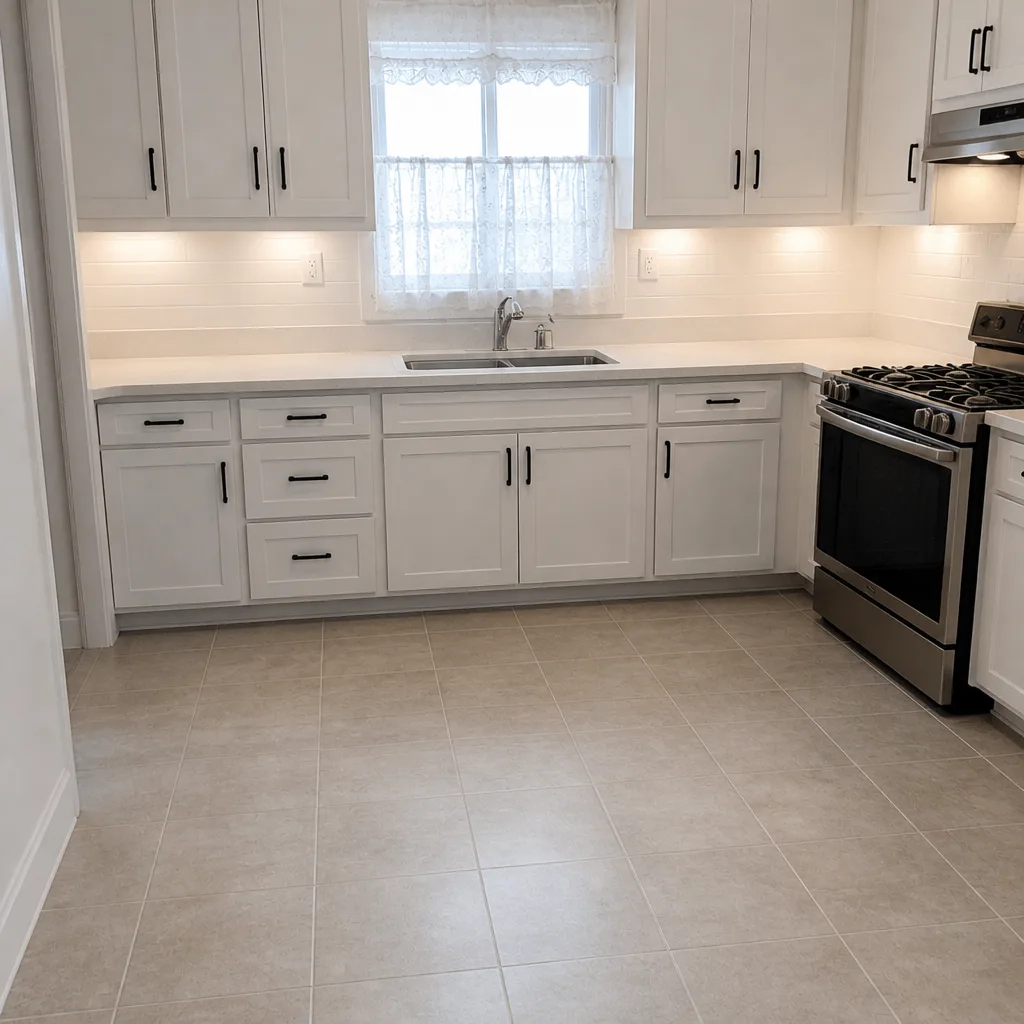
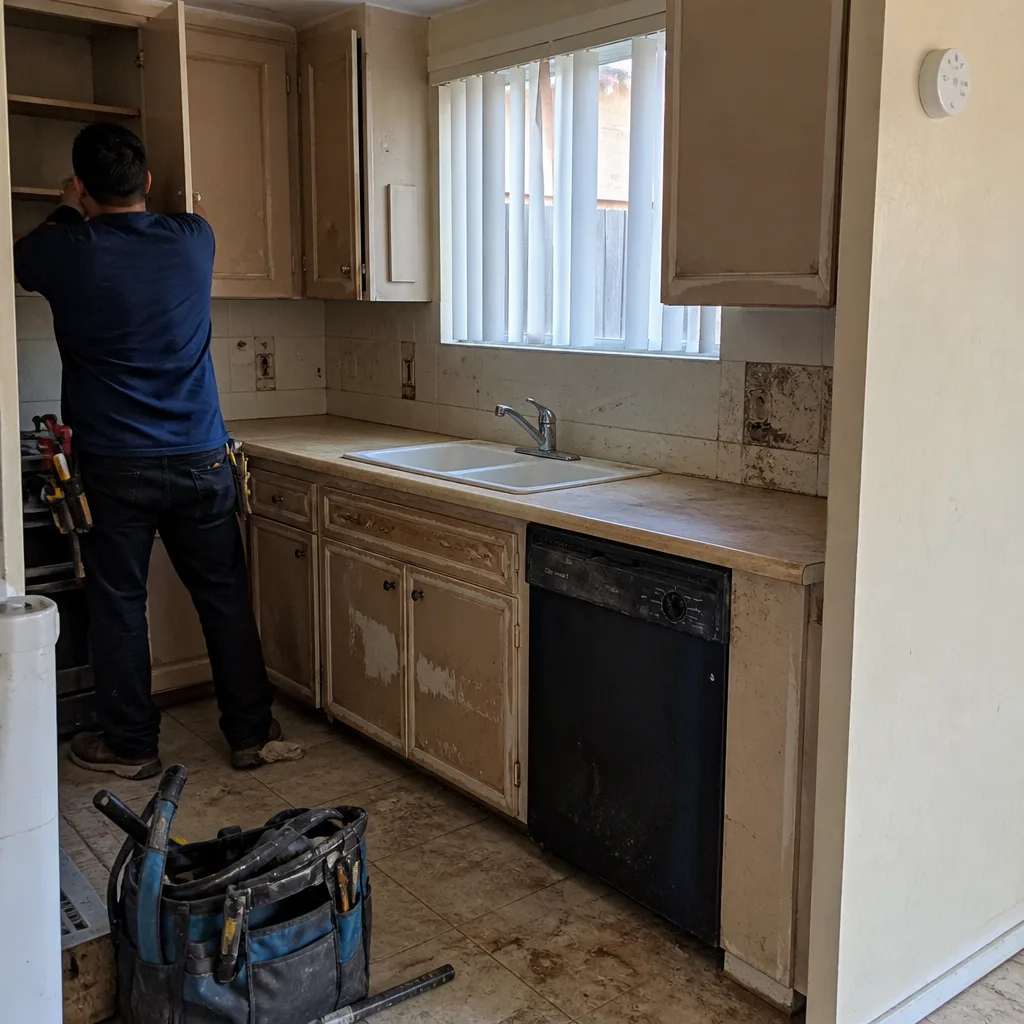
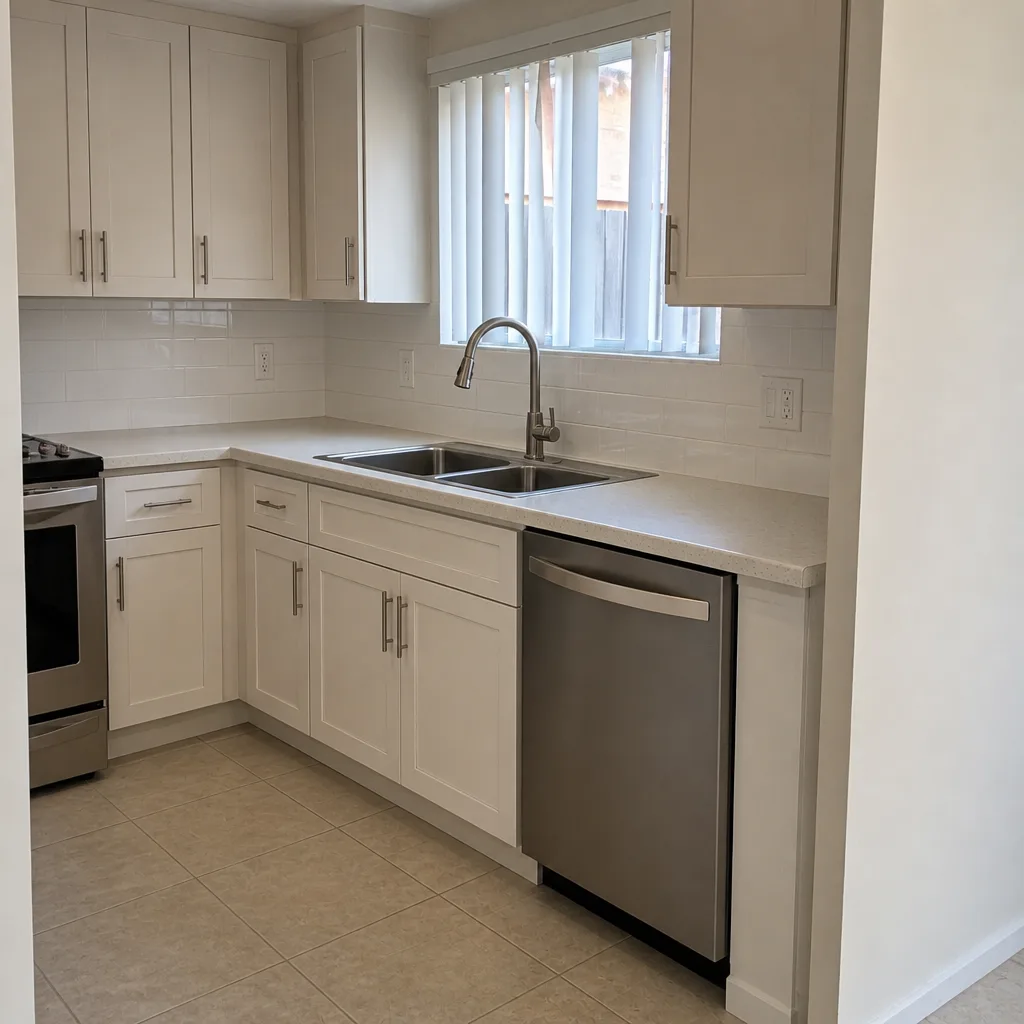
See the difference
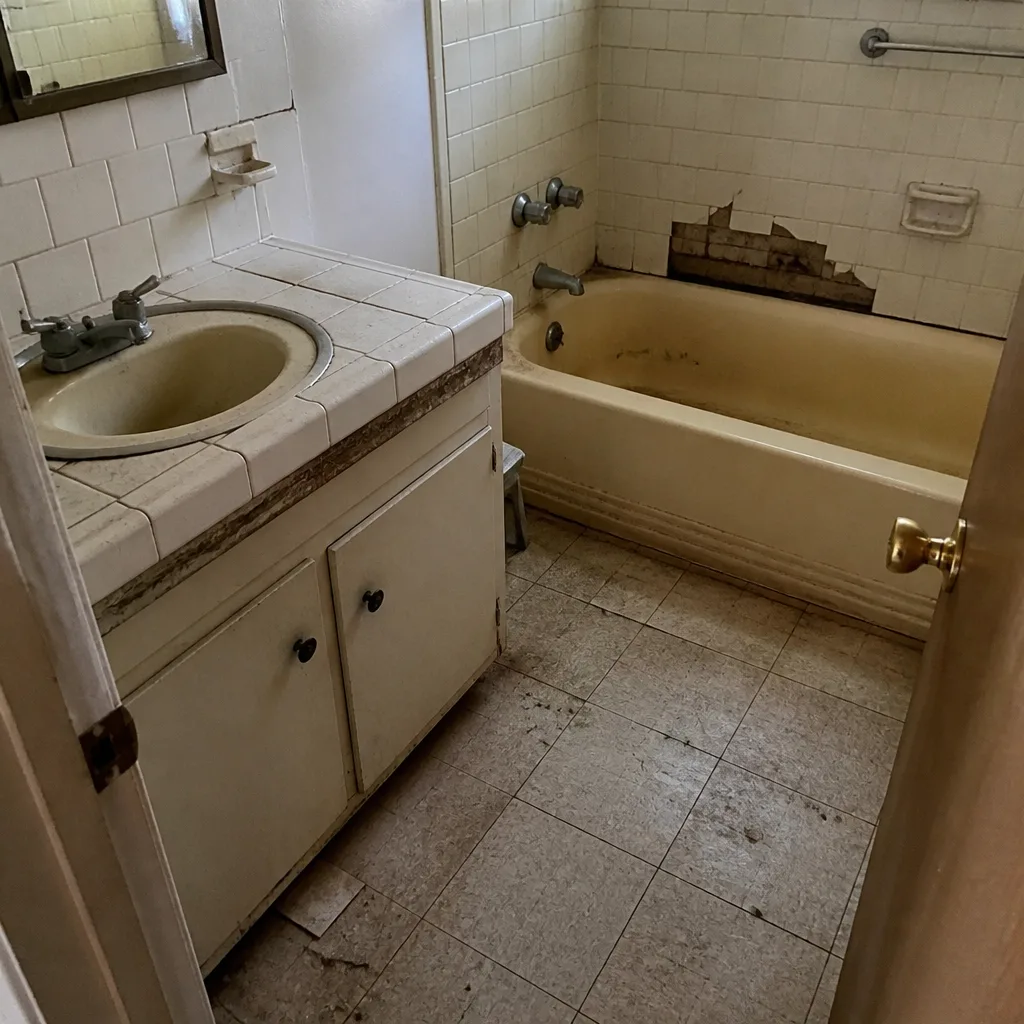 Before
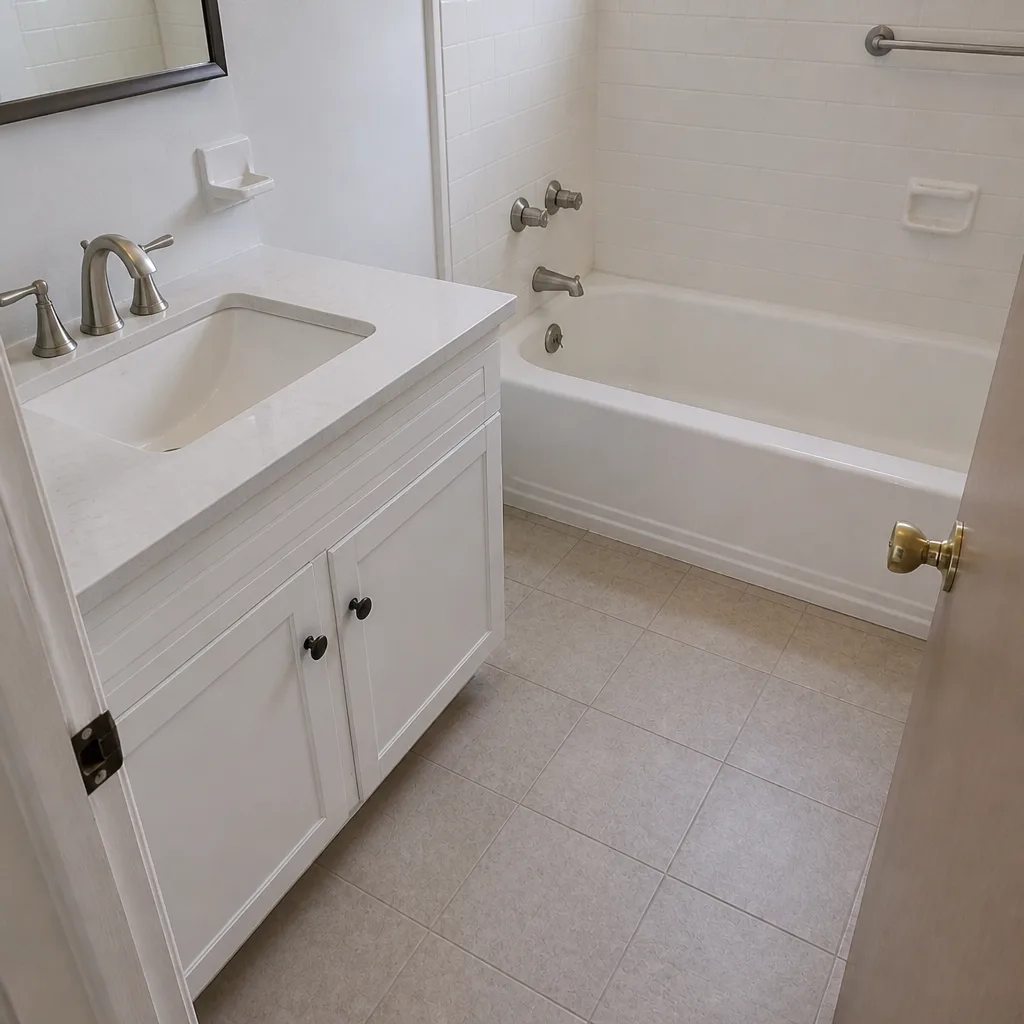 After
 Before
 After
 Before
 After
When to Call a Professional
Some jobs are genuinely DIY territory – a paint refresh, swapping a light fixture, replacing a toilet flapper. But these are the projects where a licensed contractor pays for themselves in avoided liability: anything involving structural changes (a wall removal, an addition, a beam), anything pulling a permit (which in Westminster means most remodels over $500 in material and labor), anything touching electrical panels, gas lines, or rough plumbing, and anything that will sit inside a disclosure packet when you sell. In older Westminster homes near Little Saigon with mid-century wiring and 1960s plumbing, “we’ll just move this outlet” often turns into a full circuit replacement. Calling a professional early costs less than fixing what happens when you don’t. Bradford Remodeling Co Westminster offers free estimates in Westminster – call (833) 954-5086.
Frequently Asked Questions
Search the license number on the CSLB website at cslb.ca.gov, confirm the status is “Active” and the classification matches your job type, check the expiration date, and review the complaints and judgments section. The full check takes under ten minutes and requires only the license number the contractor should provide without hesitation.
California caps the down payment at 10% of the contract price or $1,000, whichever is less, unless the contract allows the contractor to deliver materials before work begins – in which case the cap is 10% of the contract price. A contractor asking for 20% or 30% is asking you to violate the rule at your own risk.
Ask the contractor for the permit number before work starts, then look it up through the City of Westminster’s permit portal to confirm it’s attached to your property address and that the scope matches the planned work. If the permit isn’t showing in your name, stop the job and ask why.
The lowest bid is almost always missing scope: permit fees, demolition, substrate prep, or finish materials. Once you’ve signed, that missing scope becomes a change order priced at the contractor’s discretion. A properly itemized bid rarely comes in dramatically under the pack – and when it does, you can see exactly why by comparing line items.
Watch for contractors who can’t name their subs, won’t put the sub list in writing, ask for more than 10% down, handle permits after the job starts, or bid in vague language (“premium materials”) instead of brand names. These patterns show up repeatedly in disputes because they leave the homeowner with no enforceable recourse.
Yes – permit pulling and inspection scheduling are a fixed line item in every quote, not a maybe. Bradford Remodeling Co Westminster puts the permit number in your hand before work begins, and you can verify it through the city portal yourself. Written price before any work starts; 365-Day Done Right Promise on every completed project. Call (833) 954-5086 for a free estimate.
The Bottom Line
Hiring a construction contractor in Westminster isn’t about finding the cheapest bid or the most reviews. It’s about running a documented process: verifying the CSLB license and workers’ comp in ten minutes, reading bids line-by-line for missing scope, requiring the five contract clauses that close the legal gap on undefined work, confirming the permit was pulled in your name, screening the sub list in writing, and paying no more than 10% down. The contractors who pass that screen are the ones who put their price and guarantee in writing before the job starts – and who stand behind the work for a full year after it’s done. That’s what The Garrison Standard looks like in practice, and it’s what a squared-away job looks like at close.
If you’re ready to price a Westminster remodel with a written number and a documented scope before any tools come out, call Bradford Remodeling Co Westminster at (833) 954-5086 for a free estimate. A live person answers, 24/7 – not a voicemail.
Written by the team at Bradford Remodeling Co Westminster.