Last updated November 17, 2026








Free written scope consultation - allowances, timeline, and change-order rules on paper before a single trade is scheduled
DIY vs Professional Construction: The Westminster Homeowner’s Decision Guide
In California, a homeowner can legally pull their own permit and do their own work on a single-family residence. But the moment that work is inspected and you sell the home, you’re legally required to disclose it, and your buyer’s lender may require licensed-contractor documentation before funding the loan. That’s the part most DIY guides skip. This guide maps the legal and financial boundary between do-it-yourself and hiring a pro in Westminster, not just the difficulty level: owner-builder permit rules, the resale disclosure trigger, warranty voiding, and the honest cost math that includes your time and the price of a failed inspection.
Quick Answer
For most structural, electrical, plumbing, and roofing work in Westminster, hiring a licensed contractor is the lower total-cost option once you count permit fees, inspection risk, voided manufacturer warranties, and the disclosure obligations that follow owner-built work at resale. DIY pays off on cosmetic, non-permitted projects: painting, tile, landscaping, and interior trim. The dividing line isn’t your skill. It’s what the permit, the warranty, and the resale disclosure require.
Styles & brands we work with
- Kitchen remodeling
- Bathroom remodeling
- Home additions & ADU
- Roofing
- Windows & doors
- Driveway & pavers
- Fence
Table of Contents
- California’s Owner-Builder Permit Rules
- The Resale Disclosure Trigger
- Warranty Voiding Risk
- The Real Cost Comparison Method
- Where DIY Genuinely Makes Sense in Westminster
- Where Professional Work Is the Lower-Cost Option
- How to Verify a Westminster Contractor
- Common Mistakes to Avoid
California’s Owner-Builder Permit Rules
California lets a homeowner act as their own “owner-builder” on a single-family residence they actually live in. That means you can apply for the permit in your own name and do the work yourself, provided you meet the owner-builder conditions and don’t sell or rent the home within a year of completing the work without extra disclosures. What surprises people is how narrow the legal self-performance lane becomes once a trade is regulated.
Here’s how the trades break down for a Westminster property:
- You can generally self-perform: interior painting, tile work, flooring, drywall patching, cabinet installation, fencing, and non-structural landscaping – all still subject to local permit rules if scope crosses a threshold.
- Regulated by statute: electrical, plumbing, and mechanical (HVAC) work that requires a permit must be performed or signed off by a licensed contractor in most cases. Pulling your own permit doesn’t grant you a specialty license.
- Structural and seismic: load-bearing wall removal, foundation work, and roof framing are high-liability categories where unpermitted or improperly engineered work can void insurance and complicate a sale.
- Gas lines and panel work: genuinely dangerous. We don’t recommend homeowners touch either, licensed or not, without a professional.
Westminster sits in a seismically active region, so structural work here isn’t just about passing inspection. It’s about whether the finished assembly actually resists movement the way the code intends. That’s an engineering question, not a YouTube one. If you’re weighing a project that crosses into structural or permitted territory, our General Contractor in Westminster page covers how scoping and permitting work together on a single job.
The Resale Disclosure Trigger
California’s Transfer Disclosure Statement (TDS) requires sellers to disclose known material facts about the property, and that includes permitted and unpermitted improvements you made yourself. An owner-built addition or remodel becomes a line item your buyer’s agent will scrutinize, and their lender may want proof a licensed contractor performed structural or system work before funding the loan.
What this looks like in practice when you go to sell a Westminster home with DIY improvements:
- The buyer’s inspector flags the work. Unpermitted electrical or a home-built deck shows up fast in a standard inspection report.
- The lender raises a condition. Many loan programs require documentation that permitted work was done by a licensed contractor or signed off by the local building department.
- You either produce records or you negotiate. Missing records typically mean a price reduction or a credit at closing, often larger than what the professional job would have cost.
- The TDS creates your legal exposure. If you knew about a defect and didn’t disclose it, that’s a problem that follows you past closing.
The financial reality: the money you saved doing it yourself often comes back as a negotiation chip on the buyer’s side of the table. This is the single most overlooked cost in the DIY-vs-pro debate, and it’s why we walk every Westminster seller through what documentation they’ll need before listing. A permit pulled and inspected under a contractor’s name is a clean record. A homeowner-built system is a question mark.
Warranty Voiding Risk
Manufacturer warranties on major systems routinely require licensed-contractor installation to remain valid. This is where a small product savings turns into a large replacement bill years down the road.
- Roofing: GAF, CertainTeed, and Owens Corning shingle systems tie their extended material warranties to installation by approved contractors. DIY installation typically drops you to a bare-bones or void warranty, which matters when a Westminster roof takes two decades of sun and occasional Santa Ana wind events.
- Windows and doors: Therma-Tru entry systems and most window lines void weather-tightness and structural warranties without licensed installation. In a coastal-influenced climate, an improperly flashed window is a water-intrusion claim waiting to happen.
- HVAC: Equipment warranties on compressors and heat exchangers are frequently conditional on licensed mechanical installation and documented start-up. A DIY install can leave you paying full price for a failed compressor that a licensed install would have covered.
- Cabinetry and fixtures: Premium lines like KraftMaid, Wellborn, Kohler, and Moen carry warranties that assume correct installation. A fixture warranty might survive, but the surrounding waterproofing or cabinet warranty often won’t.
The pattern is consistent: the product warranty protects the product, and a separate installation warranty protects the work. When you self-install, you become the installer of record, and you absorb the risk the manufacturer’s installer warranty would have covered. For anything involving waterproofing or building envelope, that risk is real money.
The Real Cost Comparison Method
Most DIY-versus-hire comparisons leave out half the costs. The honest version puts four categories on the sheet, and the total often reverses the “DIY is cheaper” assumption on anything permitted.
- Hard costs: materials, permit fees, and any plan or engineering work. A Westminster permit fee on a mid-size remodel can run several hundred to over a thousand dollars depending on valuation.
- Tool costs: purchase or rental of specialty tools you’ll use once. A tile saw, a framing nailer, and a drywall lift can add hundreds of dollars to a single project.
- Your time at an honest hourly rate: value your hours at what you’d earn working them instead. A weekend project that stretches three weekends is often the most expensive part of the job.
- Rework cost if inspection fails: teardown, reinspection fees, and the second pass at materials. This is the category nobody budgets for and it’s the one that most often pushes DIY past a pro bid.
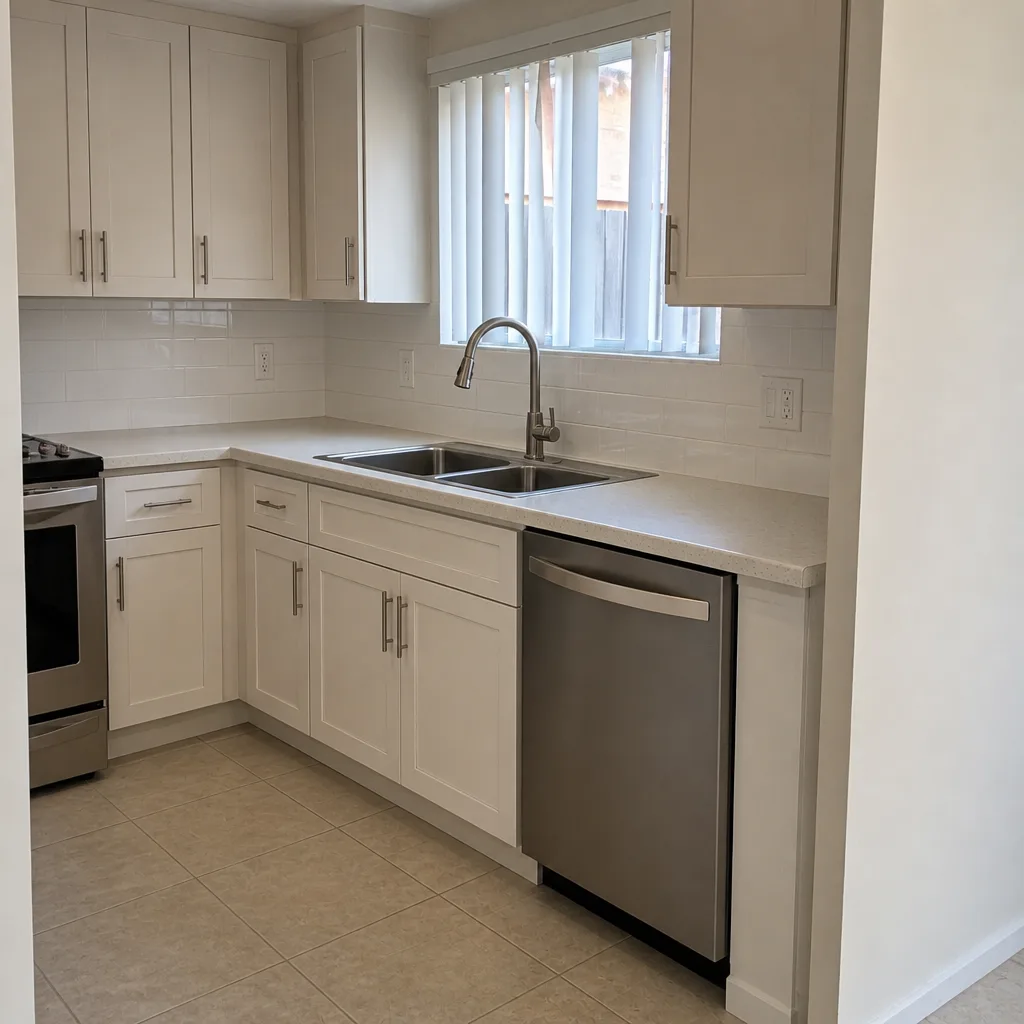
Run the math on a realistic Westminster kitchen refresh and the picture clarifies. A licensed Kitchen Remodeling in Westminster project with written, itemized pricing lets you compare line by line against your own DIY estimate. When both numbers include permits, tools, time, and rework risk, the gap narrows or disappears on anything that touches electrical, plumbing, or structure. Our standard is a written price before any work starts, so the comparison is apples to apples, not a verbal ballpark against your spreadsheet.
Where DIY Genuinely Makes Sense in Westminster
We’re not going to pretend every project needs a crew. There’s a real list of work where a capable homeowner saves meaningful money without taking on permit, warranty, or disclosure exposure.
- Interior painting: no permit, no warranty issue, and the cost of a mistake is a second coat of paint. Westminster’s warm, dry summers are forgiving for interior work.
- Tile and backsplash: cosmetic, and a substandard job is visible but not dangerous. Keep it to non-wet areas where waterproofing isn’t the deciding factor.
- Landscaping and hardscaping refreshers: planting, mulch, and simple border work. For larger paver and patio installations using Belgard or Unilock systems, the base prep is where DIY jobs fail, so weigh that carefully.
- Trim, shelving, and built-ins: finish carpentry that doesn’t touch systems or structure.
- Fixture swaps where no permit is required: a faucet or a light fixture, done correctly and safely, is a reasonable homeowner job.
What distinguishes this list is the absence of the three risk categories: permits, warranty, and disclosure. If a project crosses into any of them, move it to the professional column. A quick filter: if the work needs an inspection, needs a licensed trade by statute, or carries a manufacturer installation warranty tied to a licensed installer, it’s not a DIY candidate regardless of your skill level. Our Bathroom Remodeling in Westminster page is a good example of a project where waterproofing and plumbing typically push the work into the pro column.
Where Professional Work Is the Lower-Cost Option
The projects where DIY costs more in the long run share a common thread: they’re the ones where a failed inspection or a voided warranty produces a downstream bill larger than the savings.
- Anything structural: wall removal, foundation, framing, and seismic retrofit. The liability and permit exposure dwarfs any labor savings.
- Electrical panel and wiring: dangerous, heavily permitted, and a fire-risk category that insurers and buyers both scrutinize.
- Plumbing rough-in and gas lines: dangerous and inspected. A leak behind a wall is a repair cost, not a callback.
- Roofing: the warranty is the reason. A licensed install preserves the manufacturer system warranty that a DIY install typically voids.
- Whole-home remodels and additions: sequencing, permitting, and inspection management make these a full-time job before any homeowner picks up a tool.
On a whole-home project, the coordination work alone is the reason to hire. Our Bradford Remodeling Co Westminster home page lays out how a full remodel runs from scope to signed guarantee, and that structure is what keeps a large job from stalling in the middle. The point isn’t that pros are magically better carpenters. It’s that the permit, warranty, and disclosure system rewards documented professional work and penalizes undocumented owner-built work at resale. That’s the math California law imposes regardless of how well you swing a hammer.
How to Verify a Westminster Contractor
Before you sign anything, verify. A licensed contractor’s credentials are public record, and checking them takes minutes.
- Check the license status with the California State License Board. Confirm it’s active and in the right classification for the work.
- Ask for the written price. A real bid is itemized in writing before work starts, not a verbal number that moves at the door.
- Confirm the guarantee terms in writing. Ask exactly what’s covered, for how long, and who pays for a return visit.
- Ask who pulls the permit. The permit should be pulled in the contractor’s name for permitted work, which keeps you out of the owner-builder disclosure chain.
- Get the close-out documents. A signed guarantee in your hand and a clean, inspected job site at completion are the marks of work squared away.
We put every price and every guarantee in writing before a tool comes out. That includes the 365-Day Done Right Promise, which covers completed work for a full year: if it fails inside that window, we return and correct it at no charge. Background-checked, uniformed technicians mean you know who’s coming through your door, and a live person answers the phone around the clock. Those aren’t slogans here. They’re the documented commitments that make a Westminster comparison straightforward.
Common Mistakes to Avoid
- Skipping the permit to save a few hundred dollars. Unpermitted work surfaces at inspection or resale and typically costs more to remediate than the original permit would have. In a Westminster sale, that’s a direct hit to your bottom line.
- Assuming your skill level is the deciding factor. The real variables are permit exposure, warranty validity, and disclosure requirements, not whether you can measure twice.
- Voiding a manufacturer warranty on a big-ticket item. Self-installing a roof or window system to save labor can forfeit a material warranty worth thousands.
- Forgetting the resale disclosure. California’s Transfer Disclosure Statement requires you to report known improvements, including your own. Buyers’ lenders may demand contractor documentation before funding.
- Underestimating your time. Nobody’s free time is free. Value it at what you’d otherwise earn before calling a job “cheaper.”
- Comparing a verbal bid to a DIY estimate. One is a guess, one is a spreadsheet. Get a written, itemized price before comparing anything.
- Leaving waterproofing and envelope work to chance. In a coastal-influenced climate, a small flashing or shower-pan error becomes a lasting water problem. This is not a weekend-tolerance category.
See the difference
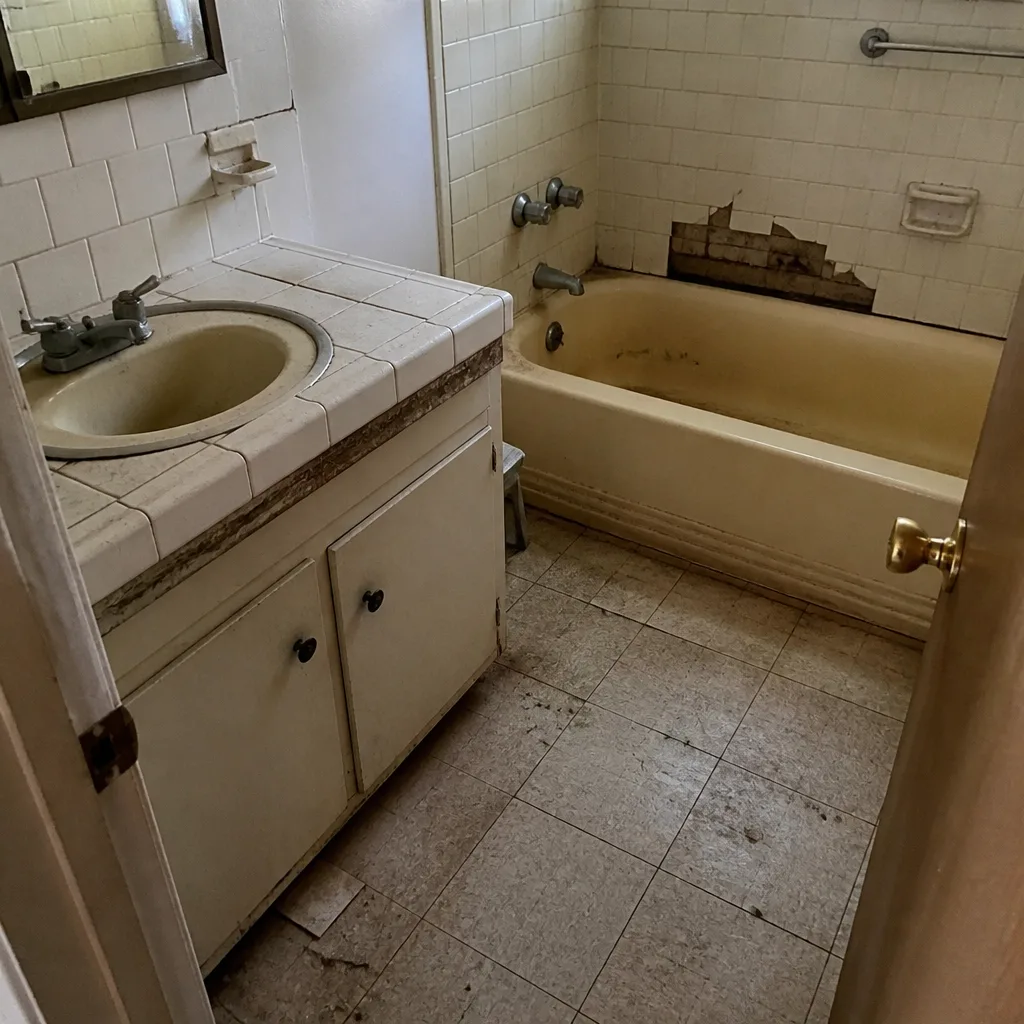 Before
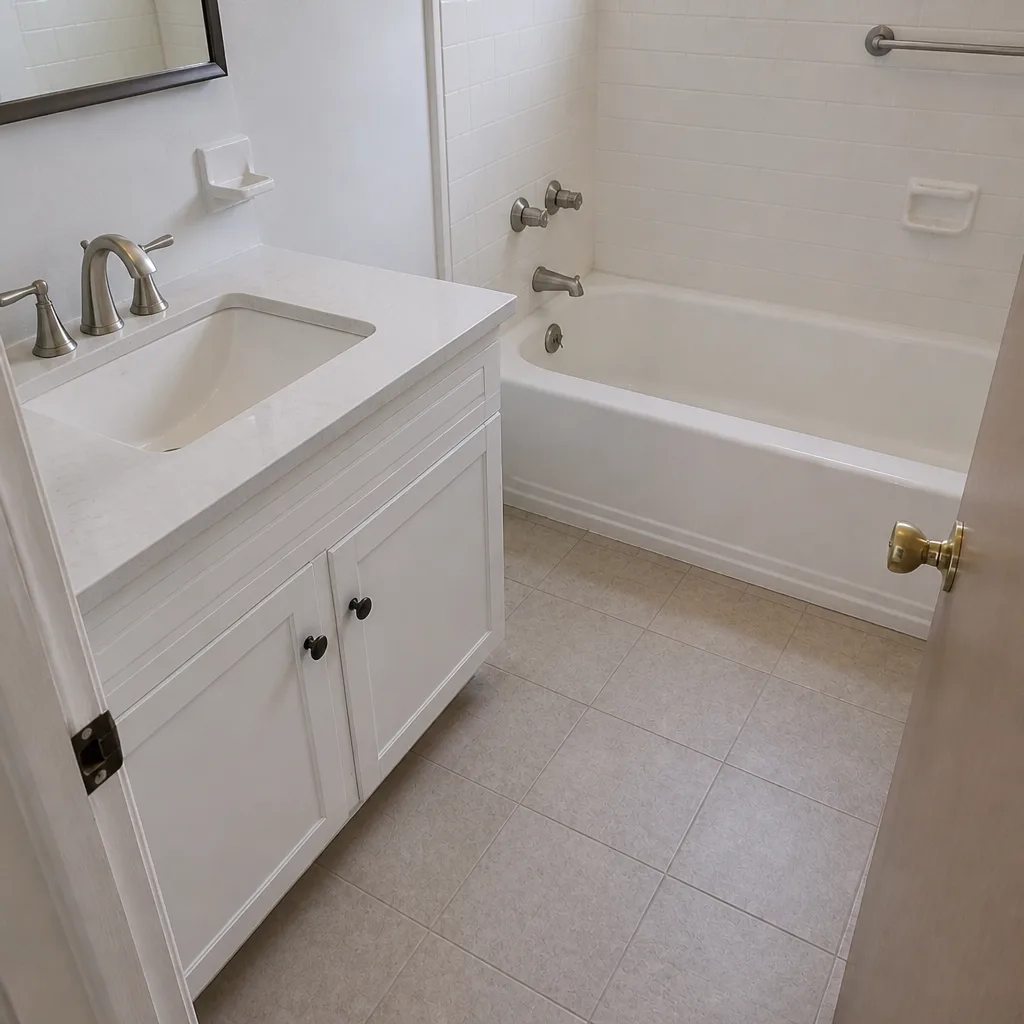 After
 Before
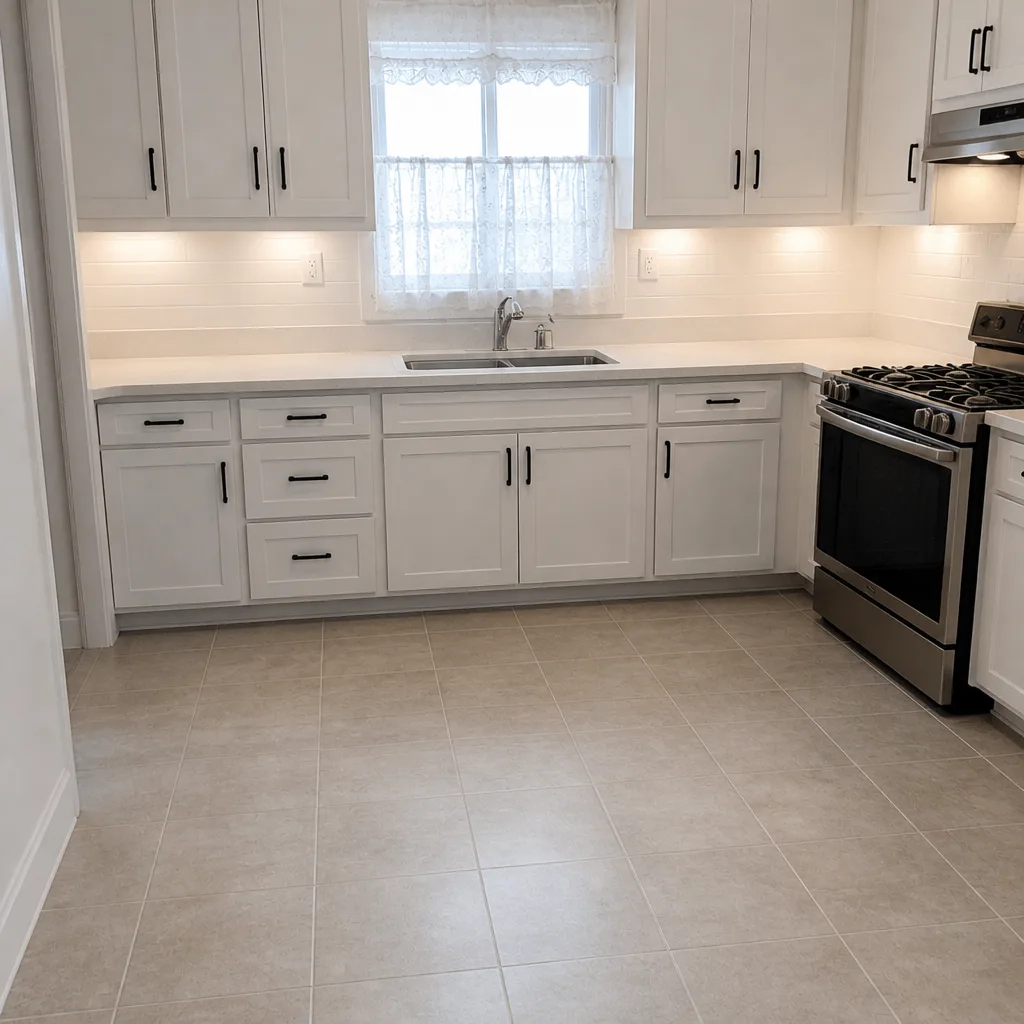 After
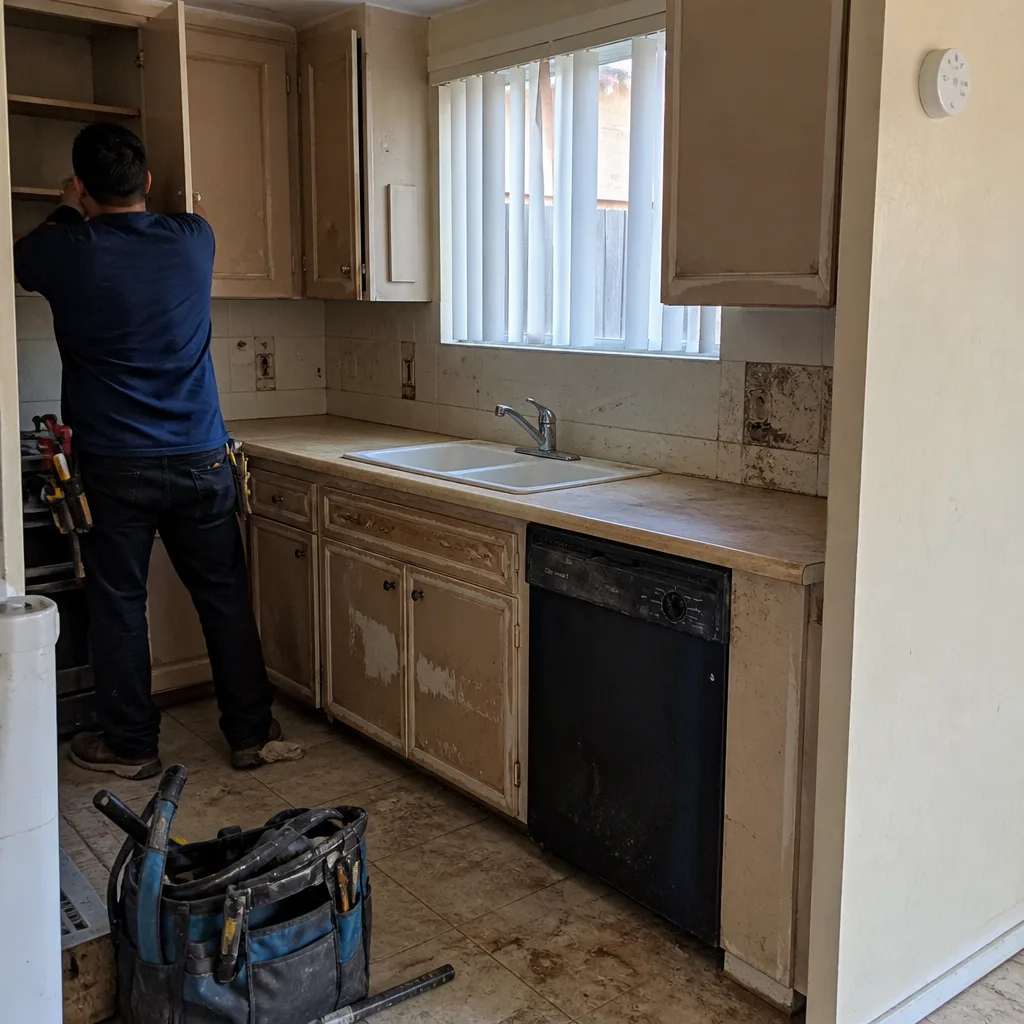 Before
 After
When to Call a Professional
Call a professional the moment a project touches structure, electrical, plumbing, gas, roofing, or anything requiring a permit and inspection. Call when a product’s warranty depends on licensed installation. Call when you intend to sell within a few years, because the disclosure trail matters. And call when the honest cost math – permits, tools, your time, and rework risk – lands within spitting distance of a written professional bid. Bradford Remodeling Co Westminster offers free estimates in Westminster with a written price before any work begins. Call (833) 954-5086 to schedule yours.
Frequently Asked Questions
Yes, on a single-family home you live in, California allows owner-builder permits for many projects. The catch is that regulated trades like electrical, plumbing, and mechanical work requiring a permit typically need a licensed contractor, and owner-built work must be disclosed when you sell. Call (833) 954-5086 if you want to know whether your specific project requires a licensed contractor.
Often, yes. GAF, CertainTeed, Owens Corning, and Therma-Tru systems commonly tie extended warranties to licensed-contractor installation, so a DIY install can drop or void the coverage. Preserving the warranty is a strong reason to hire a pro on roofing and exterior envelope work.
Yes. California’s Transfer Disclosure Statement requires you to disclose known improvements, including unpermitted or owner-built work, and the buyer’s lender may require licensed-contractor documentation before funding. Undisclosed defects can create legal exposure after closing.
On cosmetic, non-permitted projects like painting, tile, trim, and light landscaping, DIY can be cheaper. On anything permitted, structural, or warranty-dependent, the total cost usually favors a licensed contractor once permits, tools, your time, and rework risk are counted.
It depends on scope, but the right way to get a firm number is a written, itemized price before work starts, which is what we provide on every job. A line-item quote lets you compare apples to apples against your own DIY estimate. Call (833) 954-5086 for a free written estimate.
It covers completed work for a full year after project close. If the work fails inside that window, we return and correct it at no charge. It’s a written guarantee handed to you at completion, not a verbal promise. Ask us to walk through the exact terms for your project when we give your free estimate.
The Bottom Line
The DIY-versus-professional decision in Westminster comes down to three questions California law asks regardless of how good the work looks: does it need a permit and inspection, does a warranty depend on licensed installation, and will you have to disclose it when you sell. Answer yes to any, and professional work is usually the lower total-cost path. Answer no across the board, and a capable homeowner can reasonably save money. The real dividing line is the legal and financial record a project leaves behind. Get the written price before work starts, verify the license, and keep the guarantee in your hand at close.
For projects that cross into permitted, structural, or warranty-dependent territory in Westminster, call Bradford Remodeling Co Westminster at (833) 954-5086 for a free estimate with a written price before any work begins.
Written by the team at Bradford Remodeling Co Westminster.