Last updated November 17, 2026








Free written scope consultation - allowances, timeline, and change-order rules on paper before a single trade is scheduled
Construction Warning Signs: A Westminster Homeowner’s Reference Guide
A contractor can be fully CSLB-licensed, carry a 4.8-star Google rating, and still leave you with an unpermitted addition that lowers your home’s resale value and gives your insurer a reason to walk away from a claim. That failure looks nothing like a scam. There’s no van that disappears with your deposit. Instead, the warning signs are quieter: contract language that manufactures change orders, a bid built to hide unlicensed labor, a permit that never gets pulled. This guide names those patterns before you sign, with specifics on how they play out in Westminster.
Quick Answer
The most reliable warning signs of a bad construction outcome in Westminster are contractual, not personal: vague scope language with room to reprice, a bid whose labor line depends on unlicensed subs, and silence on who pulls the permit. A contractor who won’t put a fixed written price and a permit commitment in the contract before any work starts is signaling how the job will end, regardless of how reputable they look online.
Styles & brands we work with
- Kitchen remodeling
- Bathroom remodeling
- Home additions & ADU
- Roofing
- Windows & doors
- Driveway & pavers
- Fence
Table of Contents
- Contract Language That Predicts a Change-Order Problem
- What the Labor Line Reveals About Unlicensed Subs
- The Permit-Pulling Test: Confirm It in 48 Hours
- Abandonment Precursors: The Sequence Before a Contractor Goes Dark
- What to Do in Westminster When a Contractor Stops Responding
- How to Compare Bids Without Being Fooled by the Lowest Number
- Common Mistakes to Avoid
- When to Call a Professional
Contract Language That Predicts a Change-Order Problem
The change-order extraction strategy is legal and common in Orange County. The contractor bids low on a deliberately thin scope, then bills every gap as a change order at a markup, and you have little ground to refuse because the original contract never defined the work precisely. The phrases below are the tells. Read the contract for them before you sign, not after.
- “Standard allowances apply” with no dollar figure or brand named. An allowance is a placeholder budget for a material. If your kitchen contract lists a $2,000 cabinetry allowance but the showroom spec calls for KraftMaid or Wellborn lines that run higher, every dollar above the allowance becomes a change order. A real written price names the brand and the allowance together.
- “Includes standard demolition and prep” with no definition of “standard.” On a mid-century Westminster ranch house with original plaster or a hidden layer of tile over drywall, “standard” prep has a way of not being what you have.
- “Additional work to be billed at prevailing rates” or “time and materials as needed.” This is the clause that lets a fixed bid drift. The written price should be fixed with a defined change-order process: signed change order, agreed price, before the work happens.
- “Contractor reserves the right to substitute equivalent materials.” Equivalent by whose standard? Manufacturer specs and warranties are traceable specifically because the material is named. Substitution language erases that.
In our experience, a homeowner burned by change orders almost always signed a contract with one of these four phrases in it. The fix is simple and it’s the core of The Garrison Standard: every price, every scope line, every material, in writing before a single tool comes out.
What the Labor Line Reveals About Unlicensed Subs
When a bid says “we handle everything in-house,” ask what that means in a subcontractor market like Orange County’s, where even established remodelers rely on specialty subs for electrical, plumbing, drywall, and cabinetry installation. Sometimes “in-house” means a real crew. Often it means the general contractor is planning to use day labor or unlicensed subs to protect the margin. The bid’s labor structure is where you see which one.
Here’s what to check, and how to read it:
- Is labor a lump sum, or is it broken out by trade? A responsible general contractor bids electrical, plumbing, and finish trades separately, because those trades are licensed separately. A single “labor” number covering all trades hides who is actually doing the work.
- Does the bid name the licensed trades? Electrical, plumbing, HVAC, and often drywall and framing in California have their own license classifications. The bid should say who holds them.
- Are sub certificates of insurance and license numbers on file in the contract packet? Ask for them. A contractor who plans to use unlicensed subs can’t produce them.
- Does “we handle everything in-house” show up without a crew size or trade list? That phrase with no detail is a flag, not a reassurance.
Unlicensed labor on a permitted job creates two problems: the inspection may fail, and if a worker is hurt on your property, your homeowner’s policy is exposed. Ask the question directly and read the answer.
The Permit-Pulling Test: Confirm It in 48 Hours
An unpermitted addition or remodel in Westminster is a resale problem, a financing problem, and an insurance problem, and it’s often invisible until you try to sell or file a claim. The good news: it’s easy to confirm within 48 hours of signing the contract whether the permit was pulled in the homeowner’s name. The contractor who deflects this test is telling you everything you need to know.
Here’s the sequence, in order:
- Before signing: ask in writing who pulls the permit, in whose name, and by what date. The answer must be the homeowner’s name on the permit as the property owner, with the licensed contractor named as the responsible party. Don’t accept “we’ll handle it later.”
- At signing: the contract should state the permit number or a firm date by which the permit will be pulled and the number provided to you.
- Within 48 hours: confirm the permit yourself. Orange County and City of Westminster permit records are searchable online by address, or you can call the building department and ask. The permit exists or it doesn’t.
- If the permit is missing at the 48-hour mark: send a written notice asking for the permit number within three business days, or the work does not begin. That written notice matters if the relationship later goes sideways.
Westminster has specific permit triggers that catch homeowners: anything structural, any electrical panel change, any plumbing rough-in, additions, and most kitchen and bath remodels that touch rough-in. A contractor who knows the Westminster code will tell you which of these apply before you ask.
Abandonment Precursors: The Sequence Before a Contractor Goes Dark
Contractors rarely vanish at random. The abandonment sequence usually runs a predictable pattern, and the earliest warnings show up within the first two weeks. Learning the sequence gives you time to act before the site goes quiet.
What to watch, in order of appearance:
- Draw schedule misalignment. A draw is a scheduled payment tied to a completed milestone. If the contractor asks for the second draw before the first milestone is finished, or asks for a large payment up front that doesn’t match the schedule in the contract, that’s the leading indicator.
- Materials not staged on time. A job that’s really running stages materials as it goes: framing lumber before rough-in, cabinetry and surfaces after. If the contract names a delivery date for your KraftMaid cabinets or your Cambria or Caesarstone surfaces and the date comes and goes with no word, the schedule is slipping and the cash flow may be too.
- Sub crews missing promised dates. Every missed sub day costs the contractor margin. When subs stop showing up on schedule, the general contractor is often not paying them on time, and that’s a cash-flow problem, not a scheduling one.
- Slower communication. Returned calls stop. Texts go to voicemail. This is usually within two to three weeks of the first misalignment.
The window to act is between the first missed draw and the fourth missed sub day. Once the contractor stops responding entirely, options narrow. The next section covers the Westminster-specific steps.
What to Do in Westminster When a Contractor Stops Responding
If your contractor goes dark mid-job, you have three practical tools, and the order matters. First: document everything in writing. Save the contract, every email and text, photos of the site at each stage, and a dated list of what was completed versus what you paid for. Second: file with the CSLB. The California Contractors State License Board takes complaints against licensed contractors and can order corrections or discipline the license. File the complaint at cslb.ca.gov with your documentation. Third: if the contractor has recorded a mechanics lien against your property, or threatens to, get legal advice immediately. A lien can cloud your title even if the contractor was in the wrong, and the response window matters.
Small claims in California is the fast lane for most residential disputes. The threshold is high enough to cover the majority of homeowner claims against a contractor, and the process doesn’t require a lawyer. Westminster residents file in Orange County small claims court. The filing fee is modest and the wait for a hearing is measured in weeks, not years, which is why it’s often the practical move when a contractor takes a deposit and walks.
How to Compare Bids Without Being Fooled by the Lowest Number
Three bids on a kitchen remodel in Westminster will usually come back with three different totals, and the lowest bid is rarely the best outcome. The right comparison is line by line. Ask for every bid in writing with the same scope, and check these lines against each other:
- Cabinetry. Named brand and line. KraftMaid and Wellborn are specified by line because the line determines the price and the warranty. A bid that names a brand without a line is leaving room to substitute down.
- Surfaces. Cambria and Caesarstone by name and color, with square footage. Stone is priced per square foot and per cut.
- Labor by trade. Rough-in electrical, plumbing, drywall, finish. If one bid lumps these, the comparison isn’t apples to apples.
- Permits and inspections. A permit line item, named. A bid with no permit line is either assuming you’ll get one or planning to skip it.
- Guarantee terms in writing. What happens if the work fails, and for how long.
The Bradford Remodeling 365-Day Done Right Promise is written into every contract: if the work fails inside the guarantee period, we come back and correct it at no charge. That’s the kind of term you should demand in writing from any contractor, from Westminster or anywhere else.
Common Mistakes to Avoid
- Comparing total prices without comparing scope. Two bids on a Westminster kitchen can differ by tens of thousands of dollars simply because one lists cabinetry, stone, and permit fees and the other has an allowance and a “TBD.” A line-by-line comparison is the only fair one.
- Accepting verbal explanations of scope. Whatever the contractor tells you about “standard prep” or “included labor” is worthless if it isn’t in the contract. The written word is the only one that holds up.
- Skipping the permit confirmation at the 48-hour mark. Homeowners in Westminster routinely assume the permit was pulled because the contractor said so. Confirm it yourself in the building department’s records. The five minutes you spend there is worth more than any verbal promise.
- Paying a large deposit without a milestone schedule. A deposit should be tied to a defined draw schedule with milestones. A deposit that simply precedes the first day of work is not tied to anything.
- Assuming a 4.8-star Google rating means the contract is clean. Online reviews measure the experience of past customers, not the terms of your contract. A contractor can collect good ratings and still use change-order-heavy contracts.
- Not keeping a running job file. Save every email, text, photo, and payment record as the job proceeds. If you need to file with the CSLB or go to small claims, the homeowner with the complete file wins.
- Hiring on the lowest bid without checking the brand roster. A bid that doesn’t name the specific products (KraftMaid or Wellborn cabinetry, Cambria or Caesarstone surfaces, James Hardie siding) leaves the door open to substitution later. Name the product in the contract.
When to Call a Professional
Bring in a professional before you sign, not after something goes wrong. If you’re holding three bids and can’t tell which scope is real, if the contract contains terms you can’t read confidently, or if the permit question has no written answer, get a second opinion from a contractor who puts everything in writing. If you’re mid-project and the draw schedule has slipped, the subs are missing dates, or your contractor has stopped calling you back, call sooner rather than later; the options narrow after the fourth missed week. In our experience, the Westminster homeowners who fare best are the ones who asked the hard questions before the first tool came out.
Bradford Remodeling Co Westminster operates under The Garrison Standard: a written price before work starts, background-checked technicians on every job, and the 365-Day Done Right Promise on every completed project. Every estimate is free.
See the difference
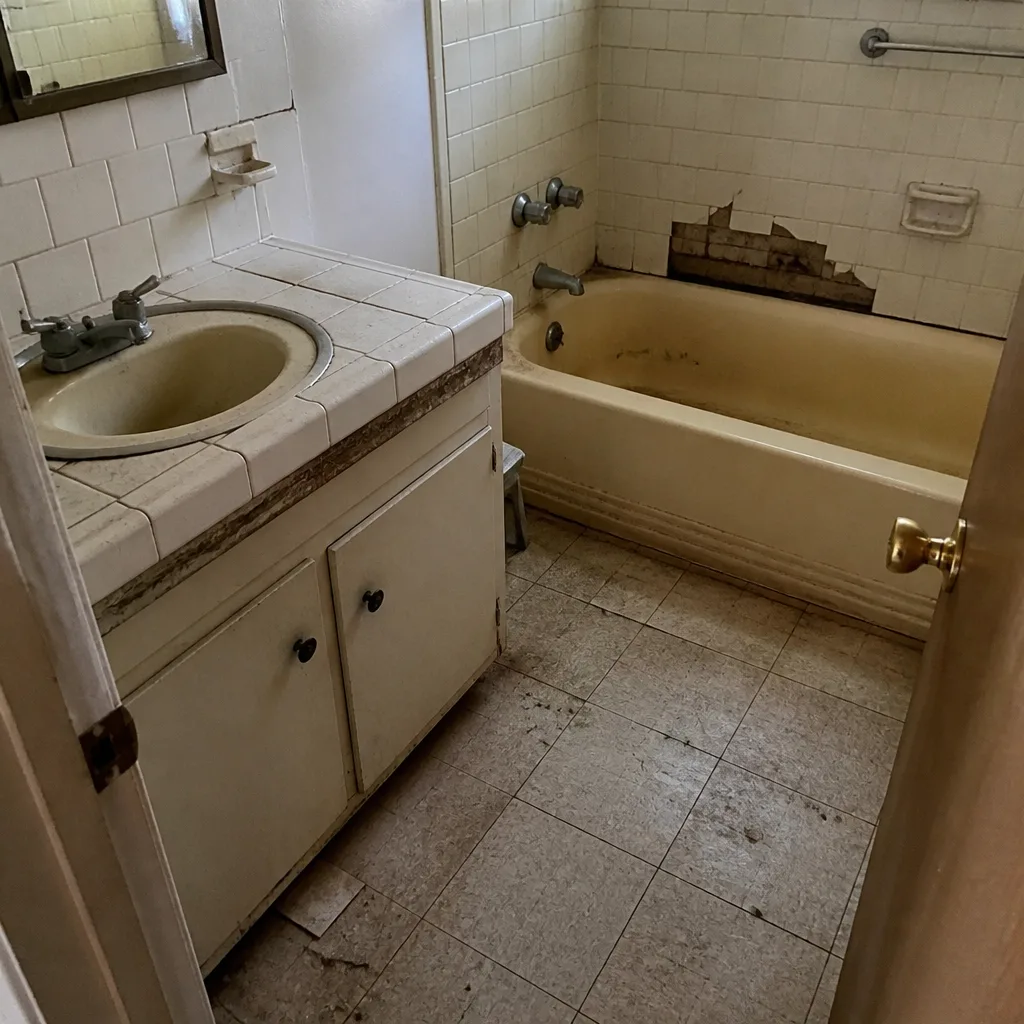 Before
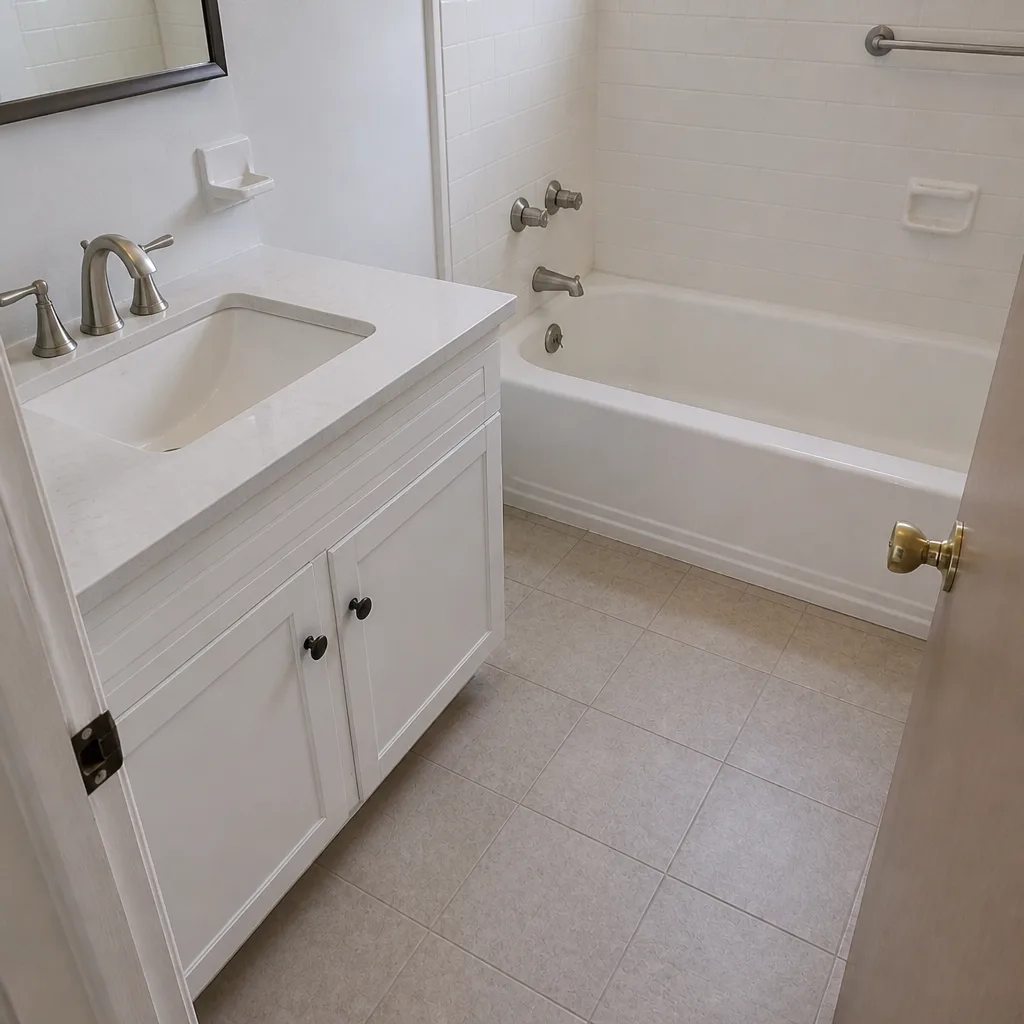 After
 Before
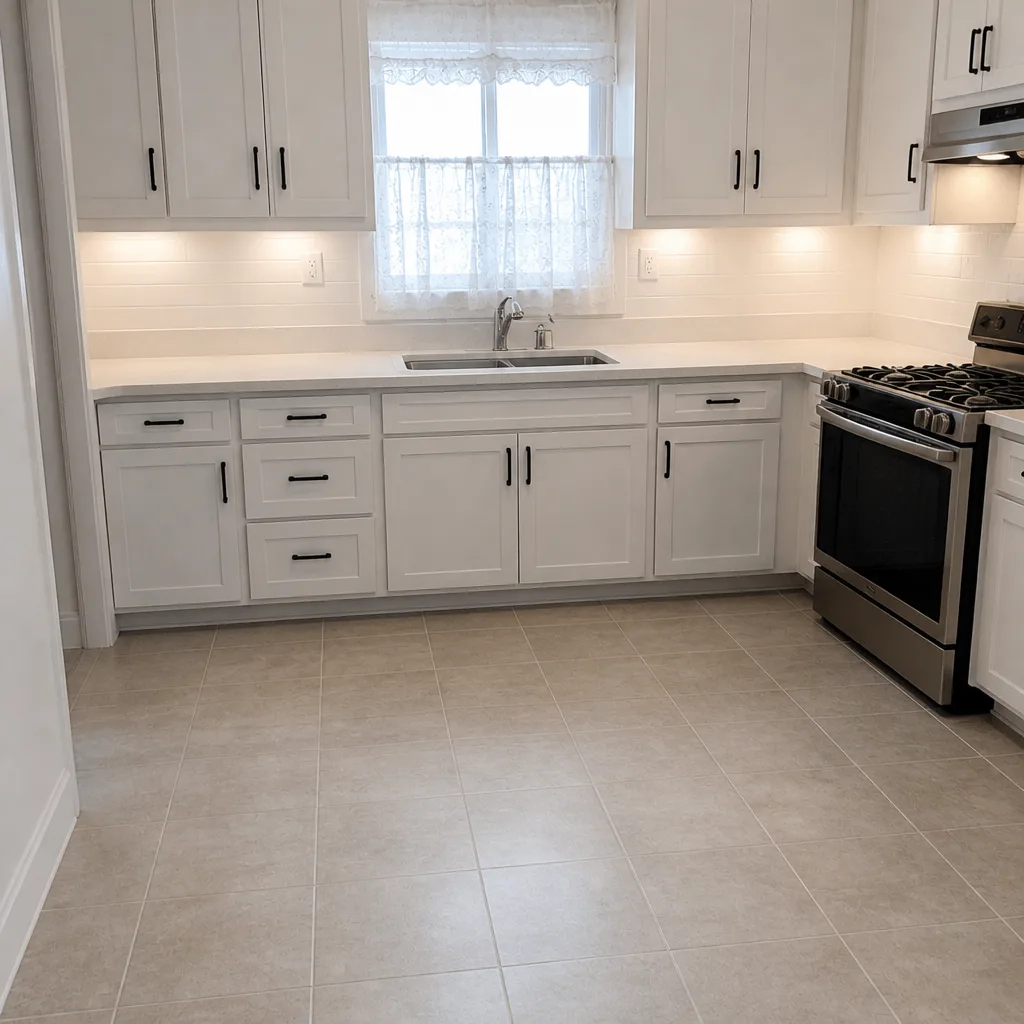 After
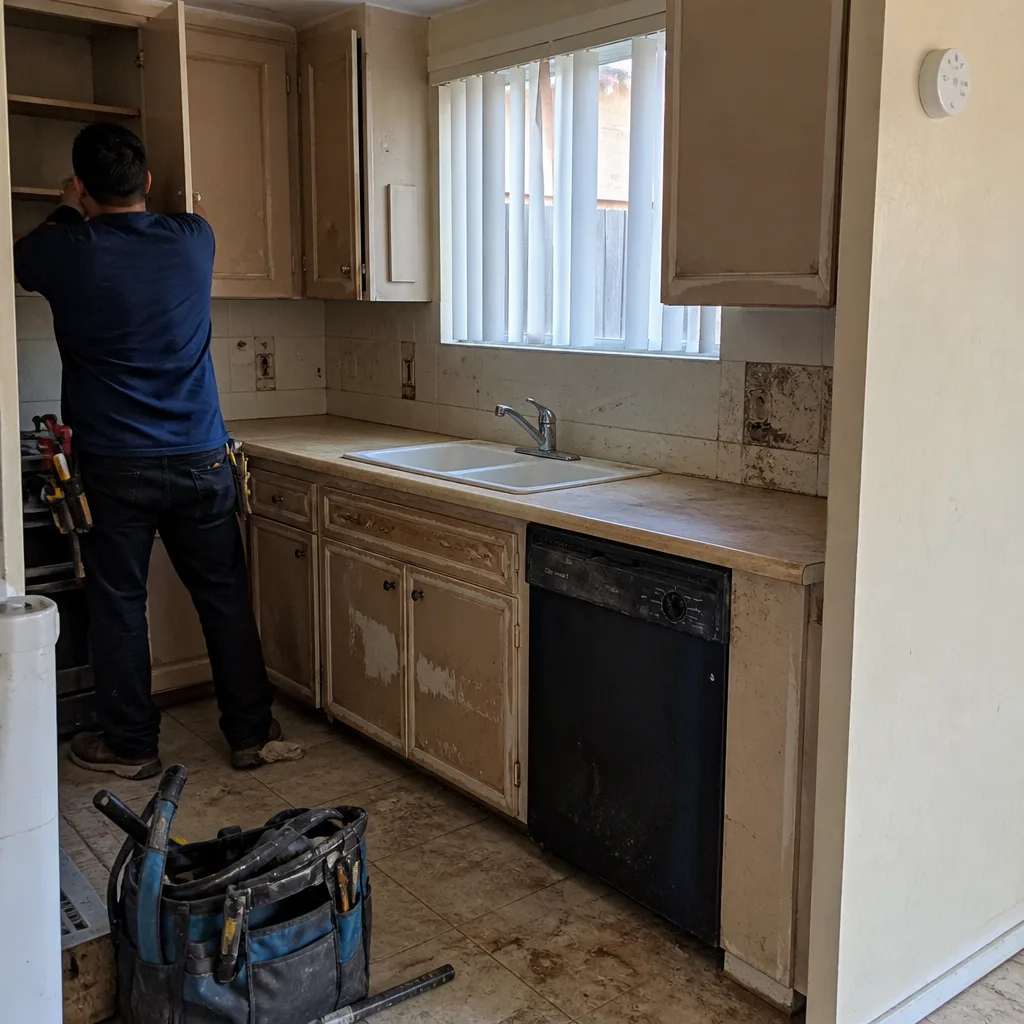 Before
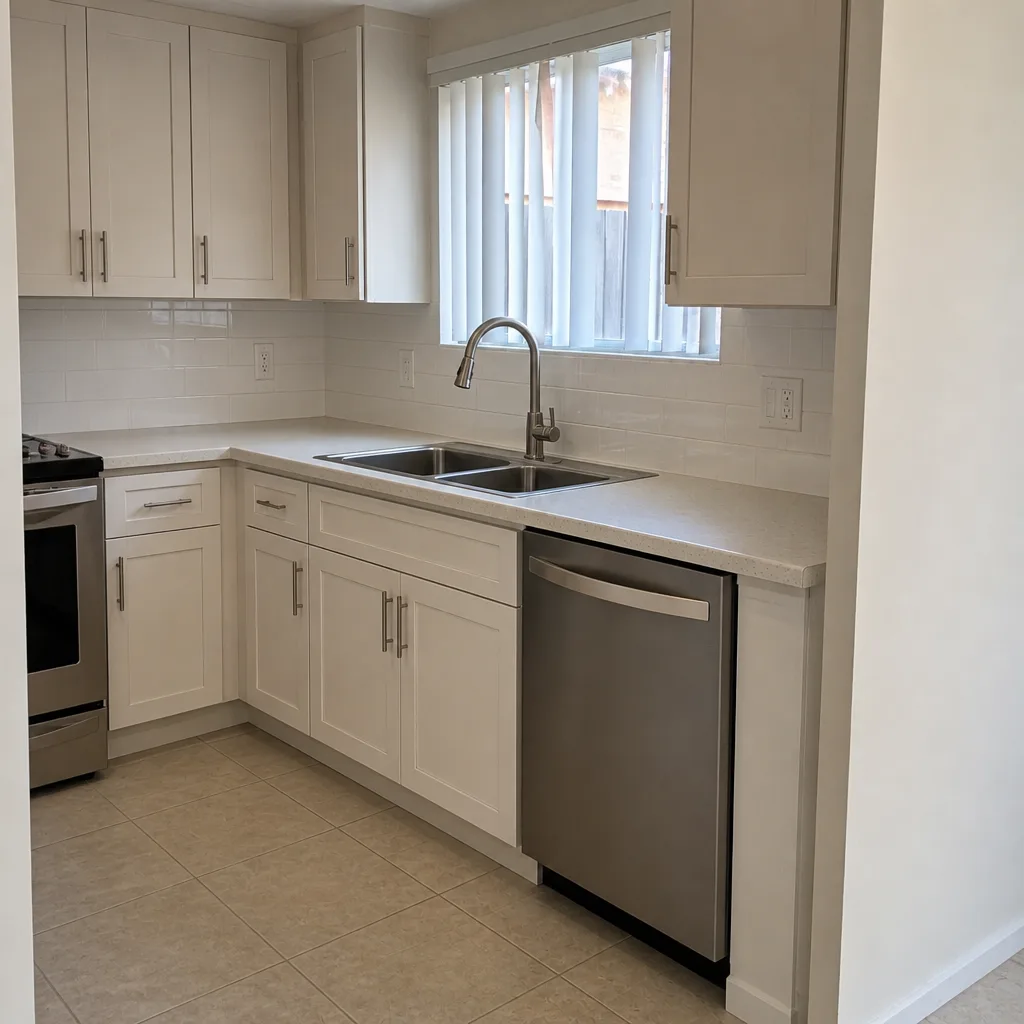 After
Frequently Asked Questions

A bid or contract that doesn’t name a written, fixed price and a permit commitment before work starts is the single biggest warning sign. Everything else – missed calls, slow starts, vague allowances – flow from that one term. If it isn’t in writing, the contractor can move the number.
Confirm it through the City of Westminster building department or Orange County’s online permit records by address. Do this within 48 hours of signing the contract. The permit should be in the homeowner’s name and the licensed contractor should be named as the responsible party. If it isn’t there, send written notice and hold the start of work until it is.
Yes. California requires licensing for most construction work above the small-project threshold, and the general contractor who uses unlicensed subs is exposed even if they didn’t know. You can tell from the bid structure: a legitimate bid breaks out labor by licensed trade. A bid that hides labor in one lump sum is a warning sign. Ask for the license and insurance certificate of every sub; a contractor using unlicensed labor can’t produce them.
It means the contractor returns and corrects any work that fails within one year of completion, at no charge. The written guarantee should be in your hand at job close, along with a documented scope. If any contractor’s guarantee isn’t in writing, it isn’t a guarantee.
Document everything in writing, including the contract, payments, photos, and a dated list of what’s done versus what you paid for. Then file with the California Contractors State License Board (CSLB) at cslb.ca.gov. If the amount in dispute is within California’s small claims threshold, you can file in Orange County small claims court without a lawyer. If a mechanics lien has been or may be filed, get legal advice immediately.
A change order is legitimate when it’s for work the homeowner requested after signing, priced in writing, and approved before the work happens. Hidden scope is when the original contract is deliberately thin so the contractor can bill gaps as change orders at a markup. The difference is whether the original scope was complete and fixed in writing.
The Bottom Line
The most dangerous contractor in Westminster isn’t the one who disappears with your deposit. It’s the licensed one with a clean online profile and a contract that leaves the price movable and the permit unstated. The patterns that precede that outcome are predictable: vague contract language, a bid built to hide unlicensed labor, a permit nobody wants to name, and a draw schedule that slips before the work does. Fix each of those with a single demand: put every price, scope, and guarantee in writing before a single tool comes out. That’s the point of The Garrison Standard, and it’s the standard every homeowner should hold their contractor to.
If you’d like a line-item written estimate for your next project, call (833) 954-5086. A live person answers 24/7. Bradford Remodeling Co Westminster offers free estimates to homeowners across Westminster.
Written by the team at Bradford Remodeling Co Westminster.