
Free written scope consultation - allowances, timeline, and change-order rules on paper before a single trade is scheduled
Cambria Home Additions & ADU: The Westminster Owner’s Guide
We build Cambria-surface home additions and ADUs in Westminster, and a full addition typically runs $45,000 – $130,000, while a detached ADU lands between $90,000 – $220,000 depending on size and site work. If you already own a Cambria product and something has failed – a cracked slab edge at a doorless shower, a delaminated piece over a wet bar, a seam that’s opened – the failure almost always traces to how the surface was set over its substrate, not to the stone itself. Most Westminster owners discover the problem as a hairline crack at a corner, a hollow sound when they tap the counter, or a dark line where water has been wicking under an edge for months.
A quick note on who we are: Bradford Remodeling Co Westminster is an independent contractor and is not affiliated with Cambria. We install and repair work that uses Cambria surfaces, and we’ve spent enough time in Westminster homes to know what fails here and why.
Key Takeaways
- Addition pricing in Westminster: $45,000 – $130,000; ADU: $90,000 – $220,000.
- Cambria is quartz, not natural stone – it doesn’t need sealing, but it does need a flat, solid substrate and correctly spaced seams.
- Outdoor and unconditioned ADU surfaces are where most Westminster failures start, because of sun exposure and coastal humidity swings.
- Every addition we complete carries the 365-Day Done Right Promise: if the work fails inside a year, we return and correct it at no charge.
Which Cambria Models This Applies To
Cambria sells by design line, not by “model” in the appliance sense – collections like Britannica, Ella, Torquay, and many others, each with its own slab dimensions and finish. For an addition or ADU, the relevant question isn’t which slab you bought but which series and thickness it was cut from. Standard Cambria slabs run 2cm or 3cm thick, and the difference matters: a 2cm surface needs a built-up edge or a full substrate under overhangs, while 3cm can carry a modest cantilever on its own.
To identify what you have, check three places. The fabricator’s sticker or etch on the underside of the piece often carries the design name and lot. The original invoice or fabrication drawing lists the thickness. And a tape measure across the edge confirms it – 2cm is about 3/4 inch, 3cm is about 1-1/4 inch.
The OEM-versus-aftermarket call works differently for Cambria than for a mechanical part. Because Cambria is a manufactured quartz made under a proprietary process, there’s no “aftermarket Cambria” – a matching piece has to come from a Cambria slab of the same design, and dye lots can shift between production runs. If you’re patching or extending an existing run, the honest answer is that a close match is realistic and an invisible match often isn’t. On a new addition or ADU, you’re choosing fresh, so lot matching is a non-issue.
Styles & brands we work with
- Kitchen remodeling
- Bathroom remodeling
- Home additions & ADU
- Roofing
- Windows & doors
- Driveway & pavers
- Fence
Signs Your Cambria Home Additions & ADU Is Failing
Quartz failures are quiet at first. These are the five we see most in Westminster additions and ADUs.
- Hairline cracks radiating from a corner or cutout. Usually a substrate that flexed under the slab, or a sink or outlet cut made too close to an edge without a support rail. Quartz doesn’t like point loads.
- A hollow ring when you tap the surface. That’s adhesive that didn’t fully bond, often from a substrate laid over a floor or wall that wasn’t flat to begin with. On an ADU slab-on-grade, that’s common.
- Seams that open or darken. Seam failure points to movement – either thermal, in a sun-facing ADU kitchen, or structural, where the addition framing and the original house meet.
- Dark wicking lines at an edge or backsplash joint. Water getting behind the surface because the caulk joint was grouted instead of caulked, or the backsplash wasn’t sealed to the wall properly.
- Delamination or a dull, chalky patch outdoors. Cambria is not rated for continuous exterior exposure, and a covered ADU patio that gets afternoon sun can degrade a surface meant for interior use.
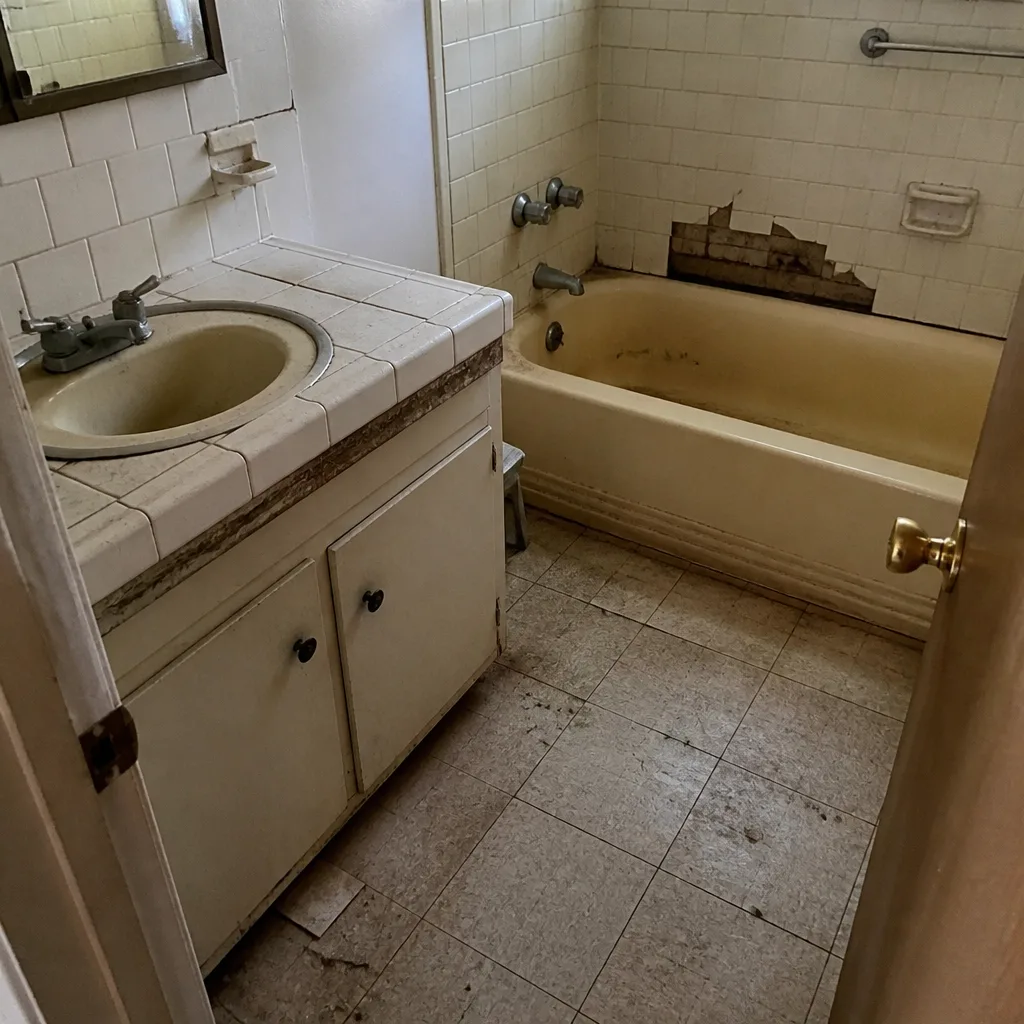
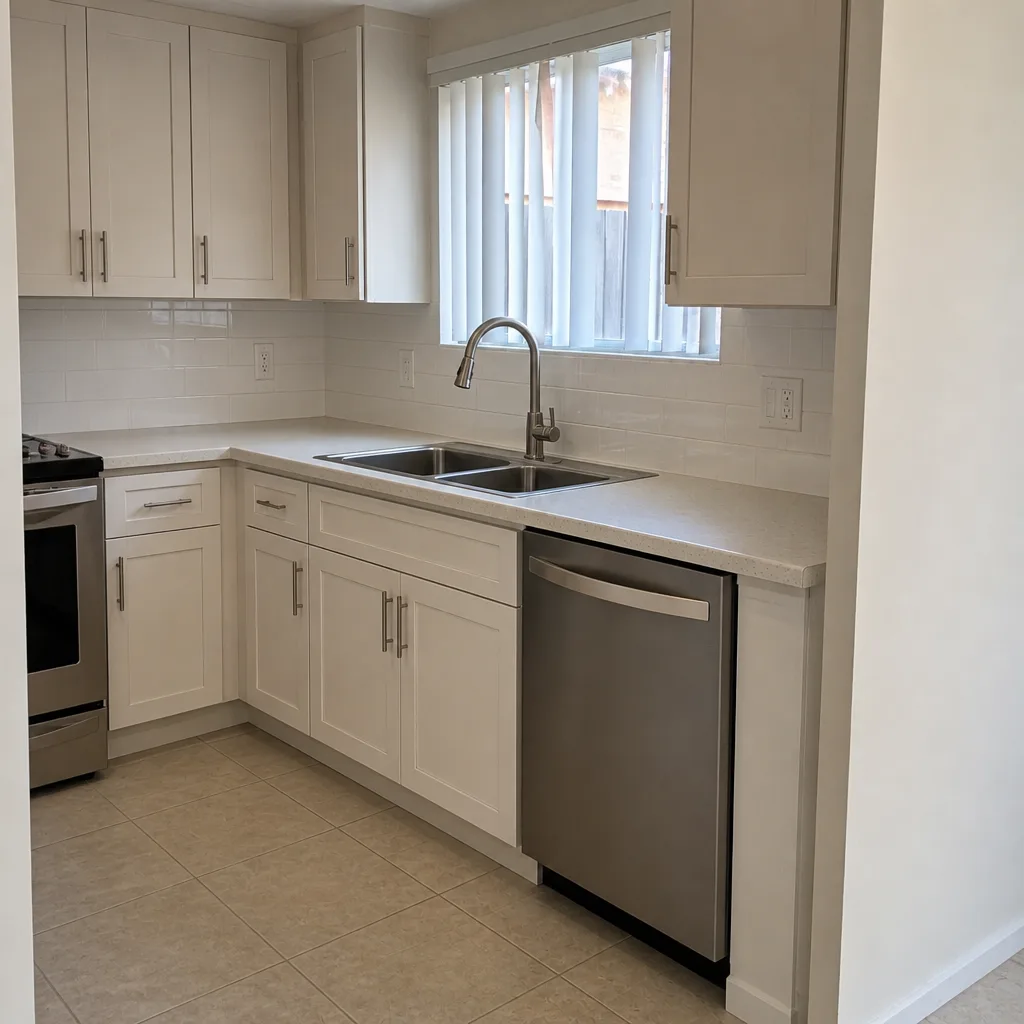
See the difference
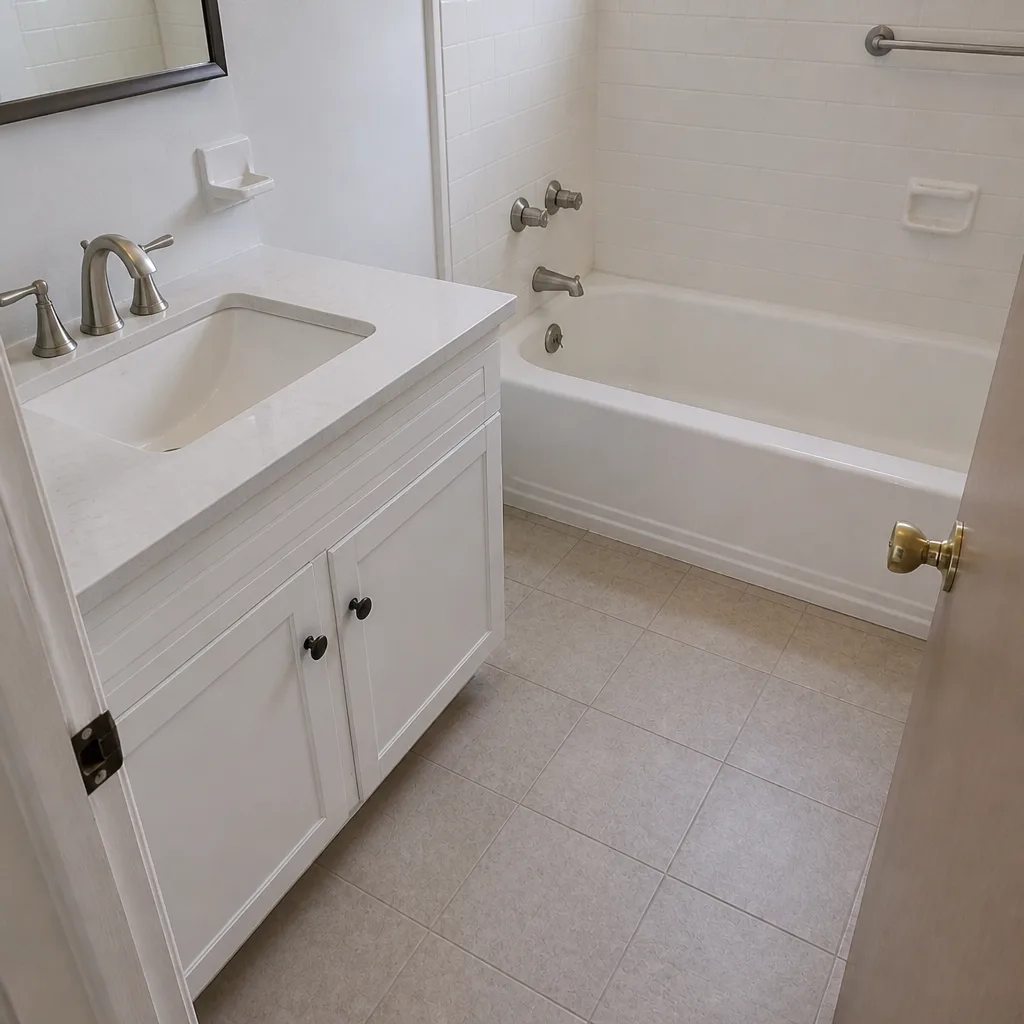
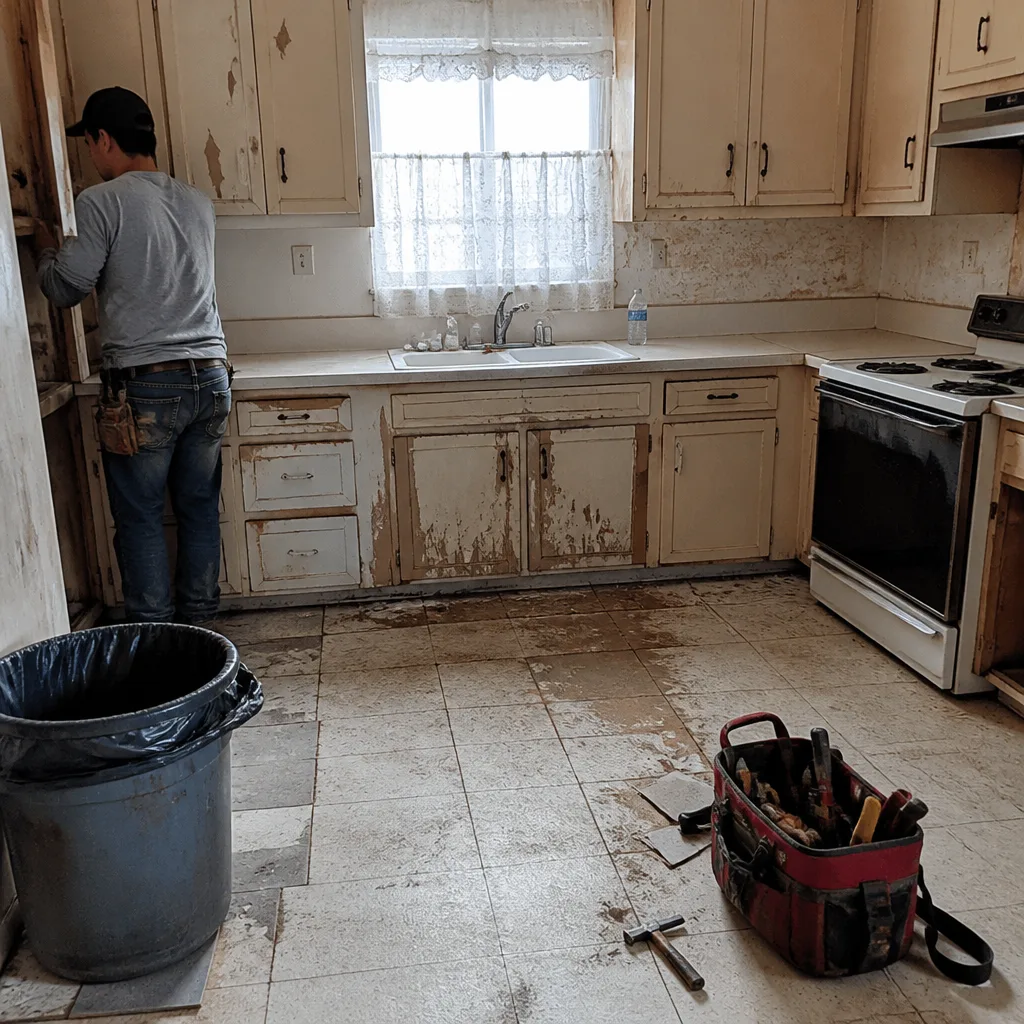
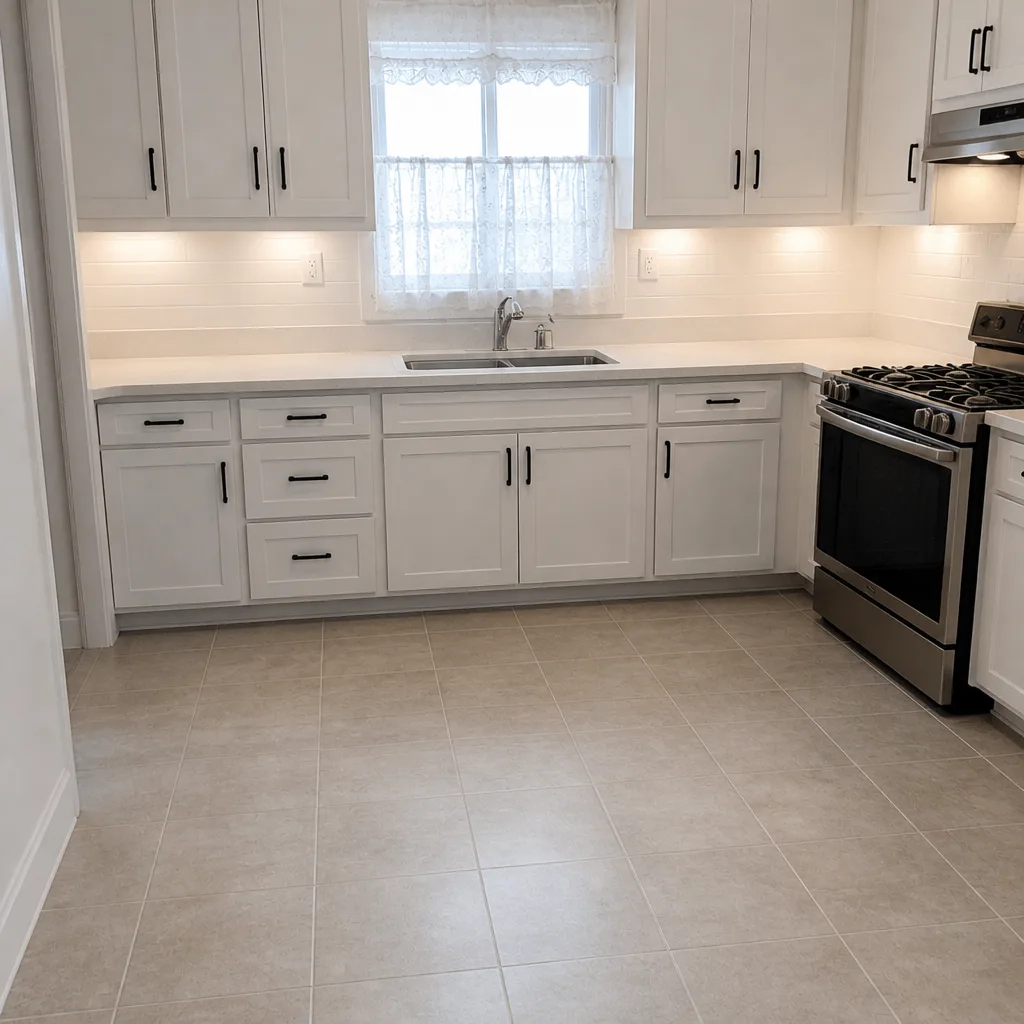
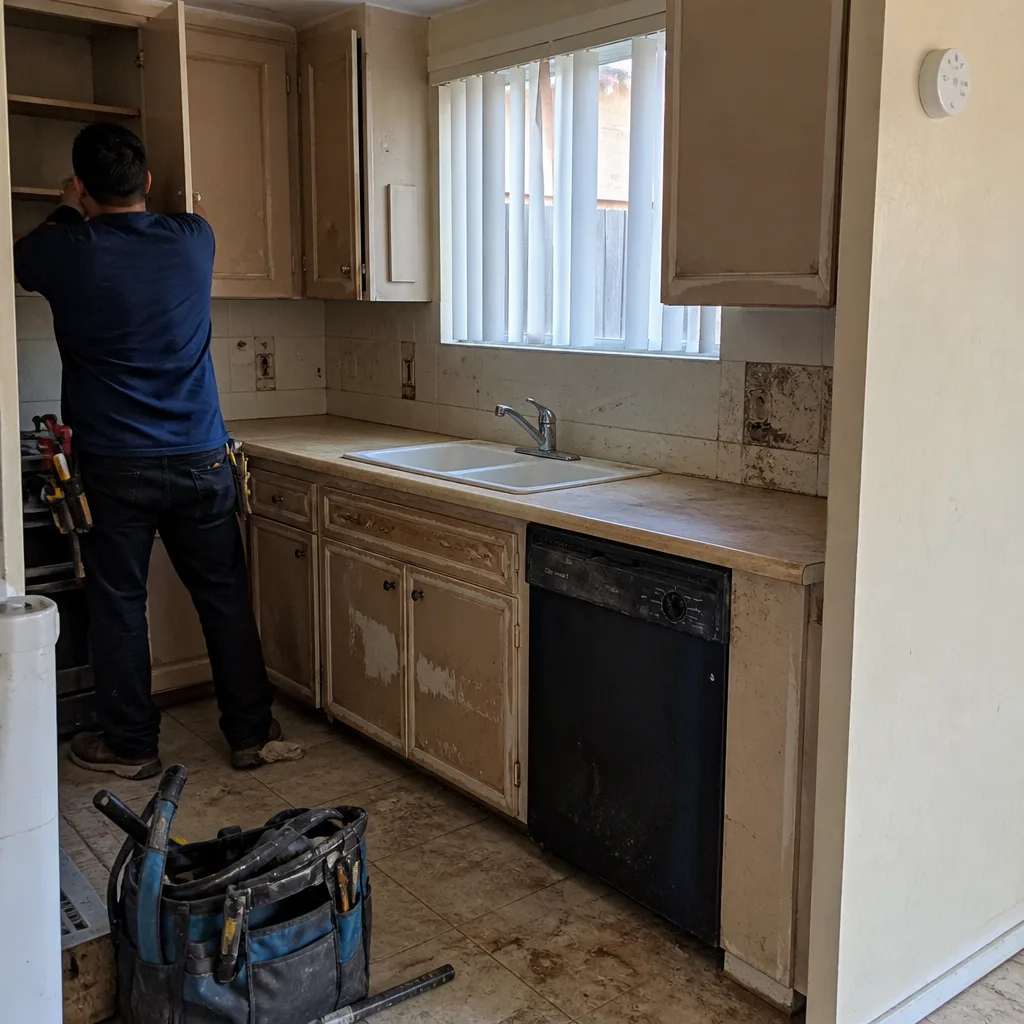
 Before
 After
 Before
 After
 Before
 After
Replacement Cost & What’s Included
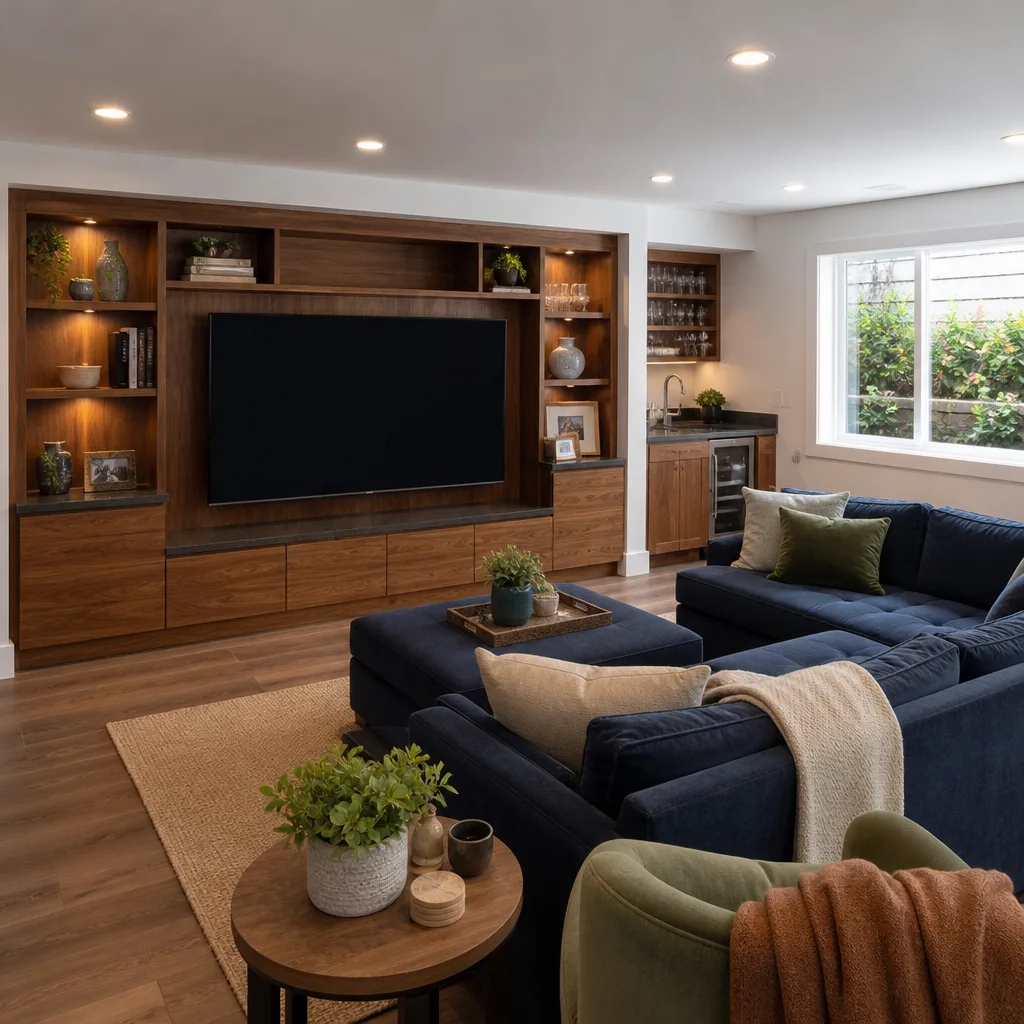
For a Westminster addition or ADU that involves replacing or resetting a failed Cambria surface, here’s how the money breaks down. A standalone countertop replacement runs $2,000 – $6,500; a backsplash $800 – $2,500; a kitchen island $3,000 – $10,000. Those figures cover demo of the failed piece, substrate repair, template, fabrication, and install.
| Scope | Installed range (Westminster) |
|---|---|
| Countertop replacement | $2,000 – $6,500 |
| Backsplash installation | $800 – $2,500 |
| Kitchen island | $3,000 – $10,000 |
| Full home addition (with Cambria surfaces) | $45,000 – $130,000 |
| ADU construction | $90,000 – $220,000 |
What moves the number: slab thickness (3cm costs more than 2cm), edge profile, number of cutouts, whether the substrate needs rebuilding, and access. You get a written price before any work starts – that’s non-negotiable for us – and every completed project carries the 365-Day Done Right Promise. If the work fails within that year, we come back and correct it at no charge.
DIY or Call Us?
Some things you can check yourself. Look under the surface for the fabricator’s sticker and note the design name. Run a straightedge across the top and along the seams to spot gaps. Tap the surface lightly to hear for hollow spots. Re-caulk a joint that’s pulled away from the wall.
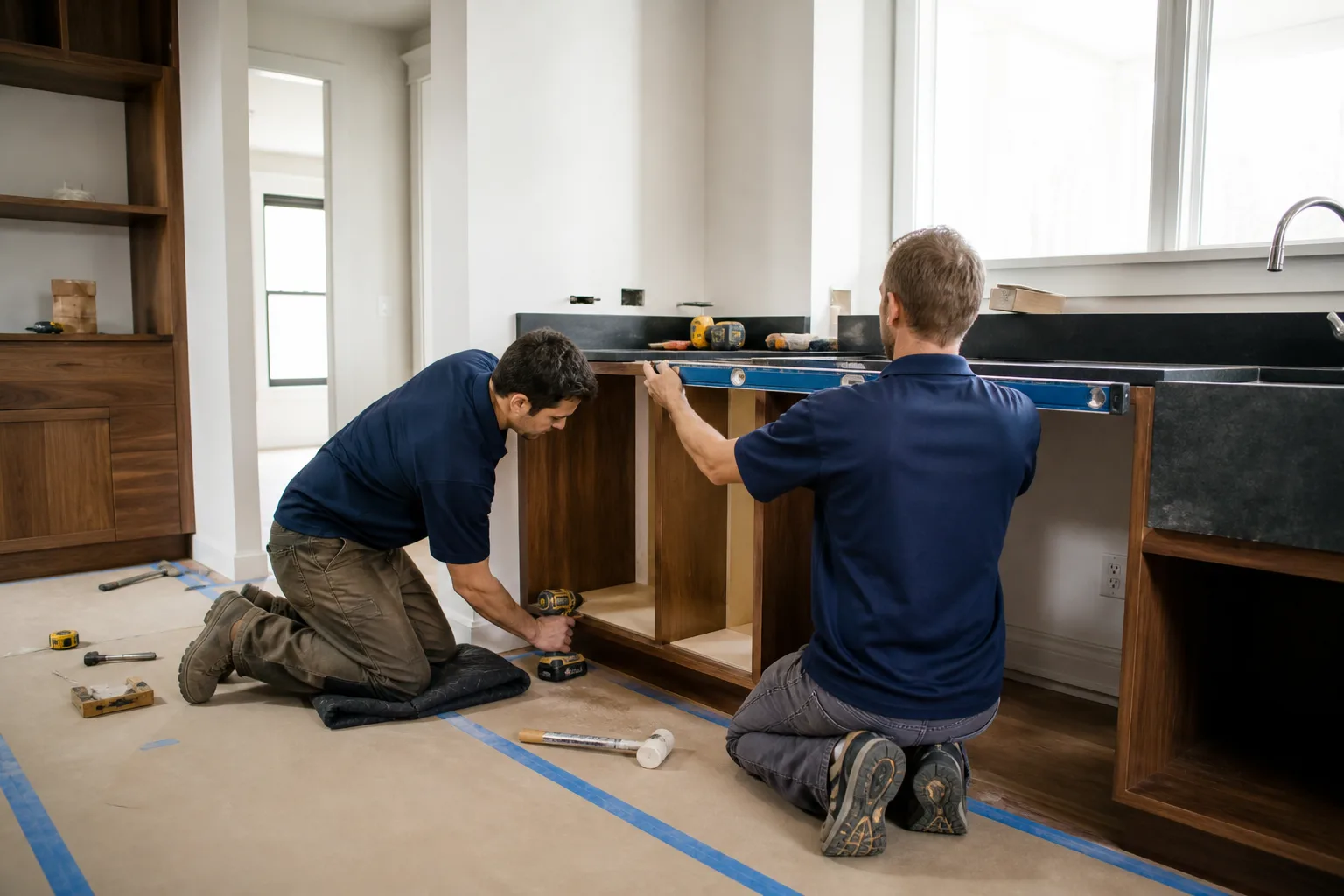
What you shouldn’t attempt is lifting or resetting a Cambria slab. Quartz is dense and heavy – a 3cm piece over a standard 24-inch depth runs well over 100 pounds on its own – and a slab that’s cut, moved, or re-adhered without the right substrate and adhesive will crack, sometimes straight through a seam you just paid to fix. Cracked edges can also leave sharp, unfinished corners. That’s a two-person job with the right tools.
If you’re unsure what you’re looking at, call us at (833) 954-5086 for a free estimate. We’ll tell you whether it’s a repair or a replacement, and what it costs before anyone touches a tool.
FAQs
Indoors, a correctly installed Cambria surface will last the life of the addition – 20 to 30 years or more with normal use. Outdoors or in unconditioned ADU spaces, expect far less, because sun and humidity swings stress the adhesive and the substrate before the stone itself fails.
Often yes, if the crack or seam is short and the substrate underneath is solid. A localized repair with color-matched epoxy and a re-supported edge can hold. If the slab has delaminated or the substrate has moved, repair is a stopgap – replacement is the honest answer.
For a standard kitchen run, template to install usually runs 7 to 10 days, with demo and install happening on the same day once the slab is cut. Larger islands or multiple pieces in a new addition add time for fabrication.
We source through a documented fabrication channel so the design, thickness, and lot are traceable – no guessing at a match. We work with a roster of named brands including Cambria, Caesarstone, Silestone, KraftMaid, and Kohler, so the spec on your addition matches what’s actually installed.
Call (833) 954-5086 to schedule your free estimate. A live person answers, day or night, and you’ll have a written price and a written guarantee before we start.
Written by the team at Bradford Remodeling Co Westminster, serving Westminster and nearby areas.